Last updated November 23, 2026
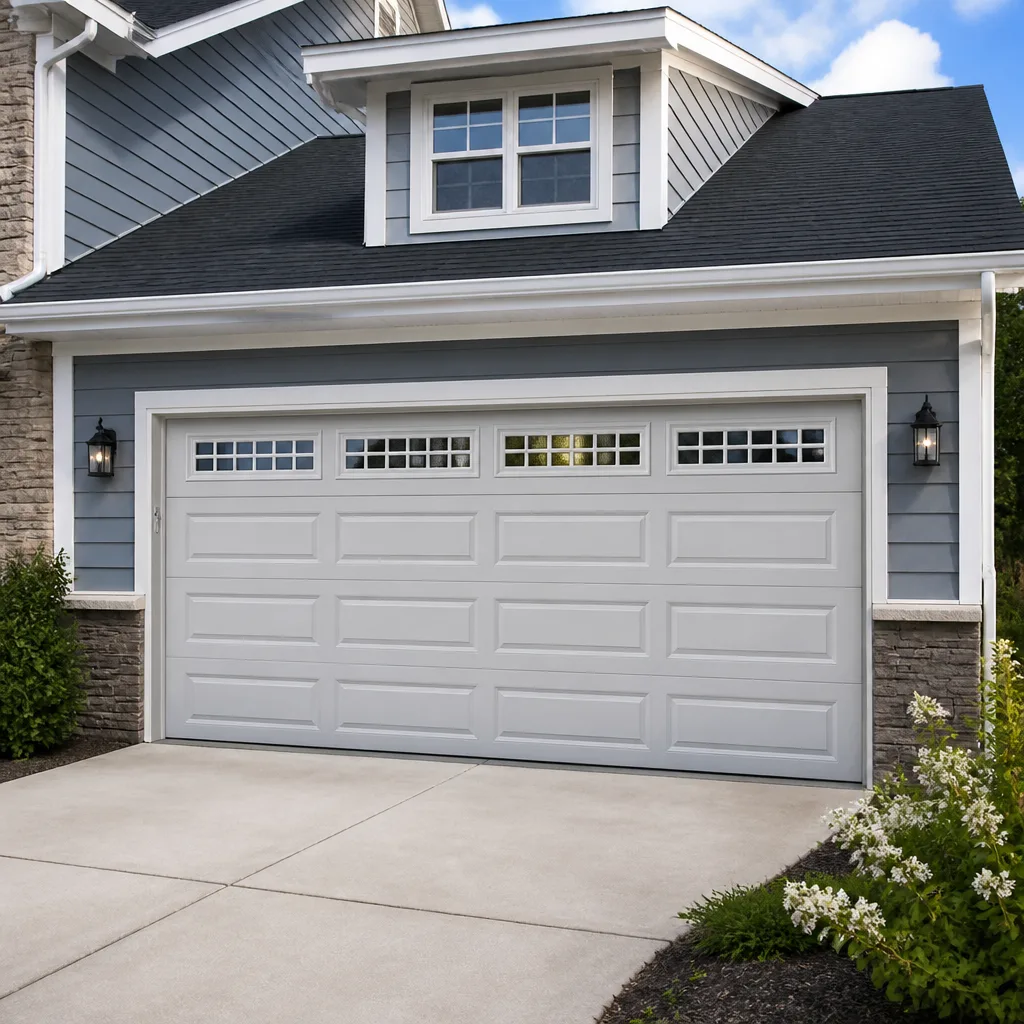 Raised-panel steel
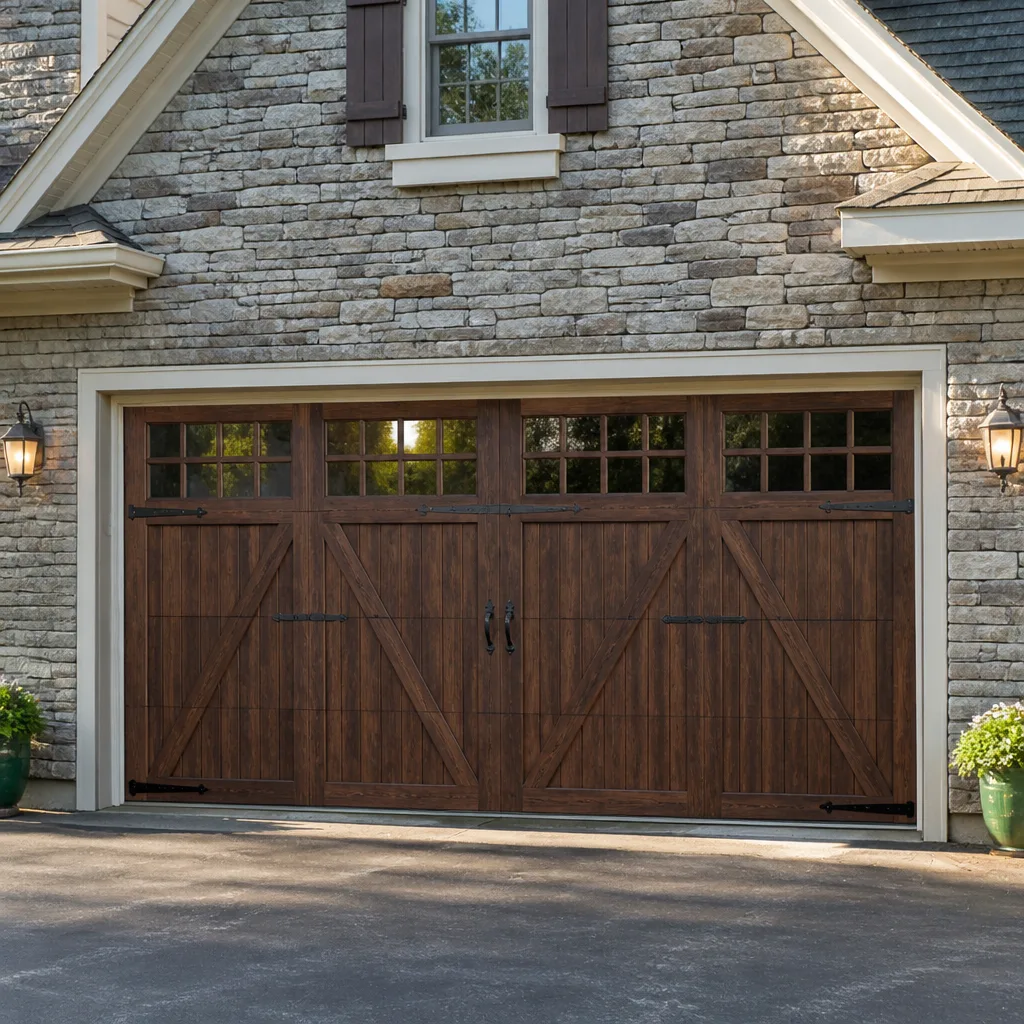 Carriage house
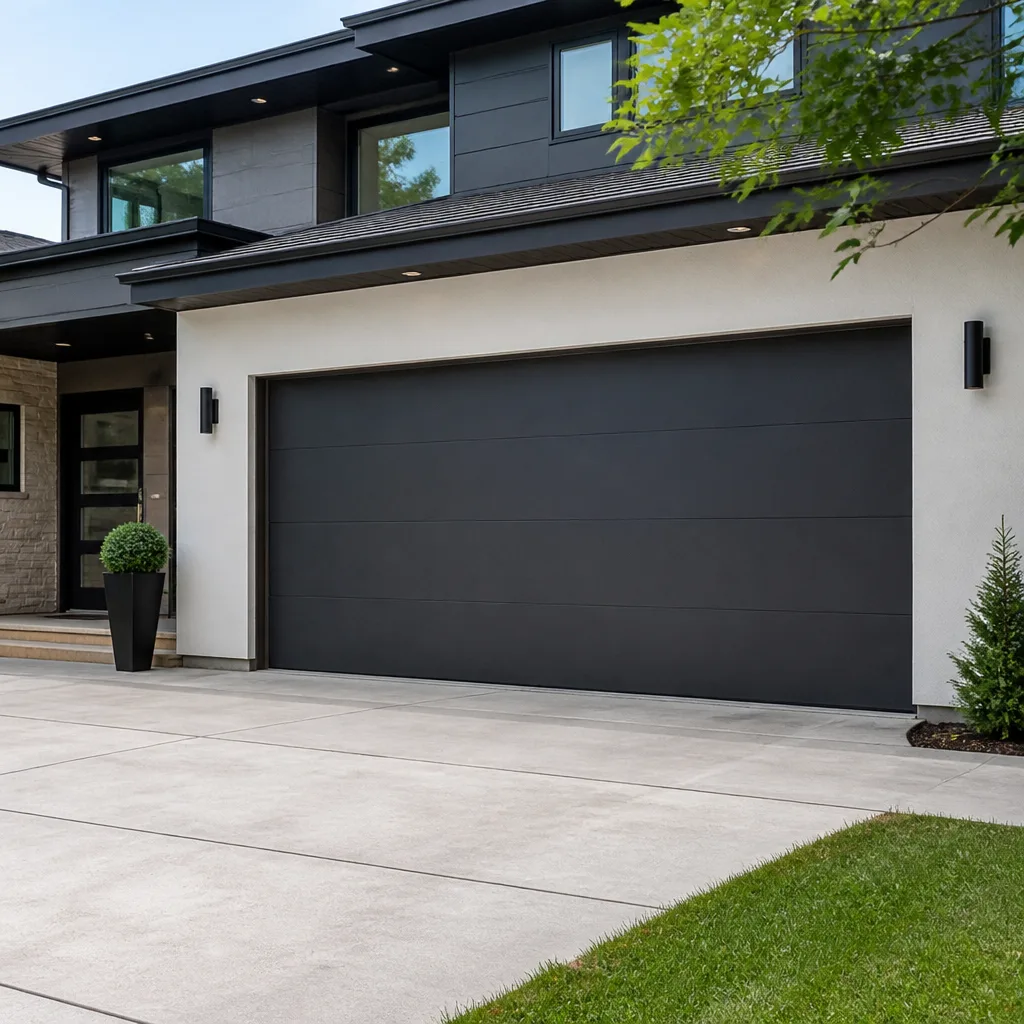 Modern flush
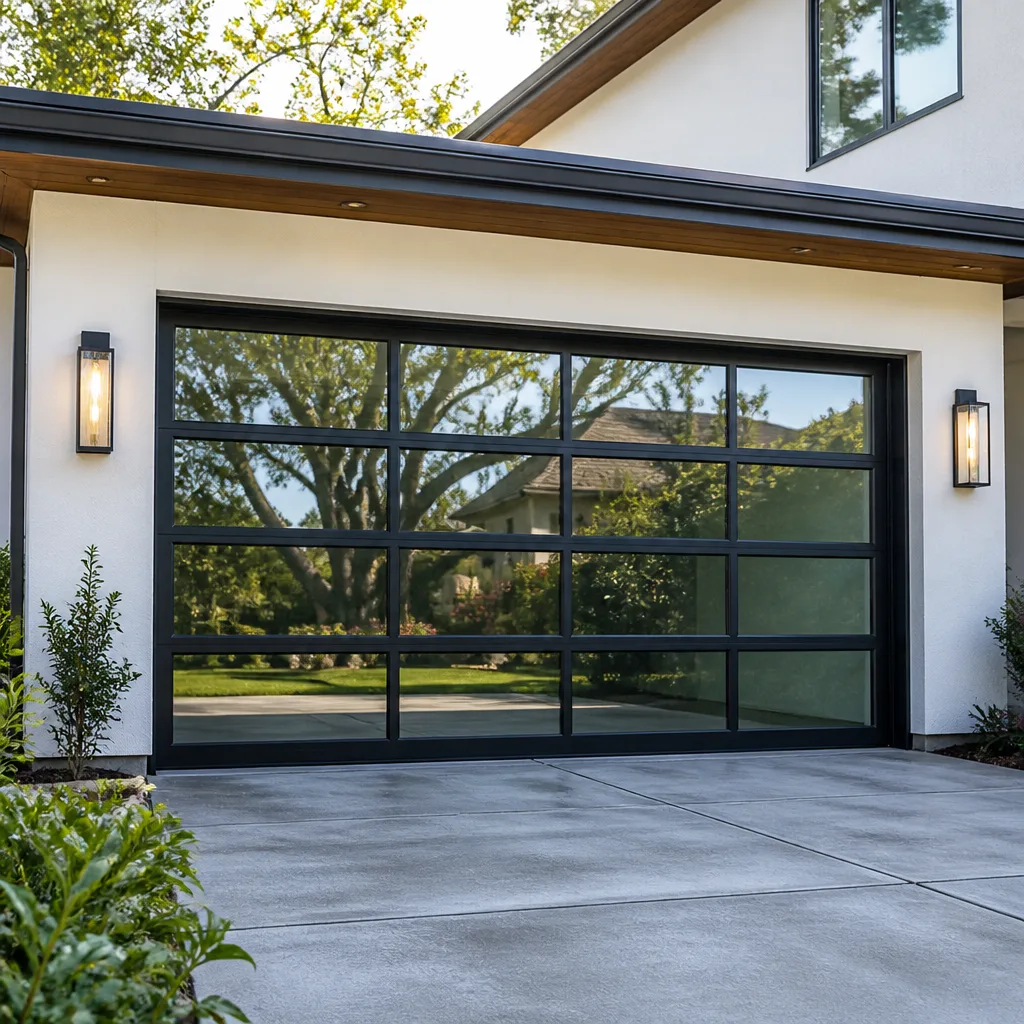 Full-view glass
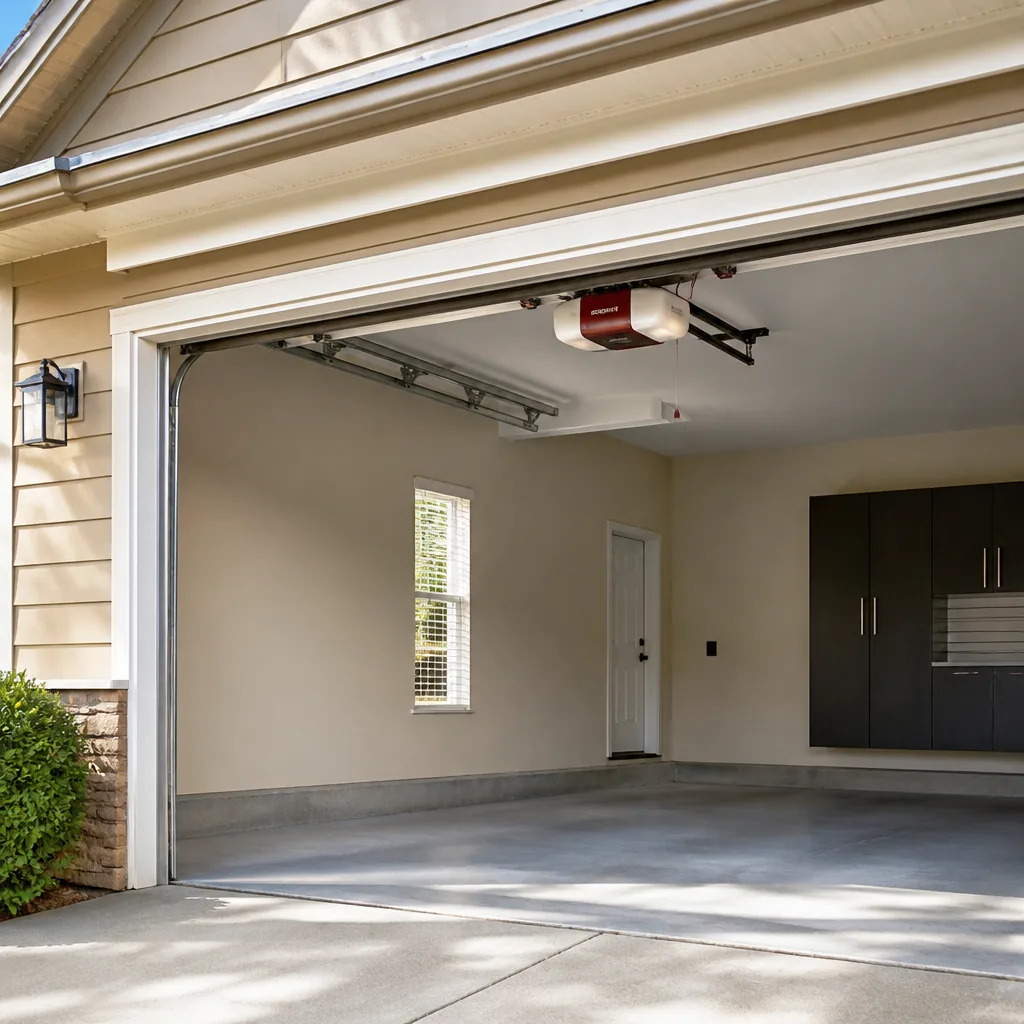 LiftMaster openers
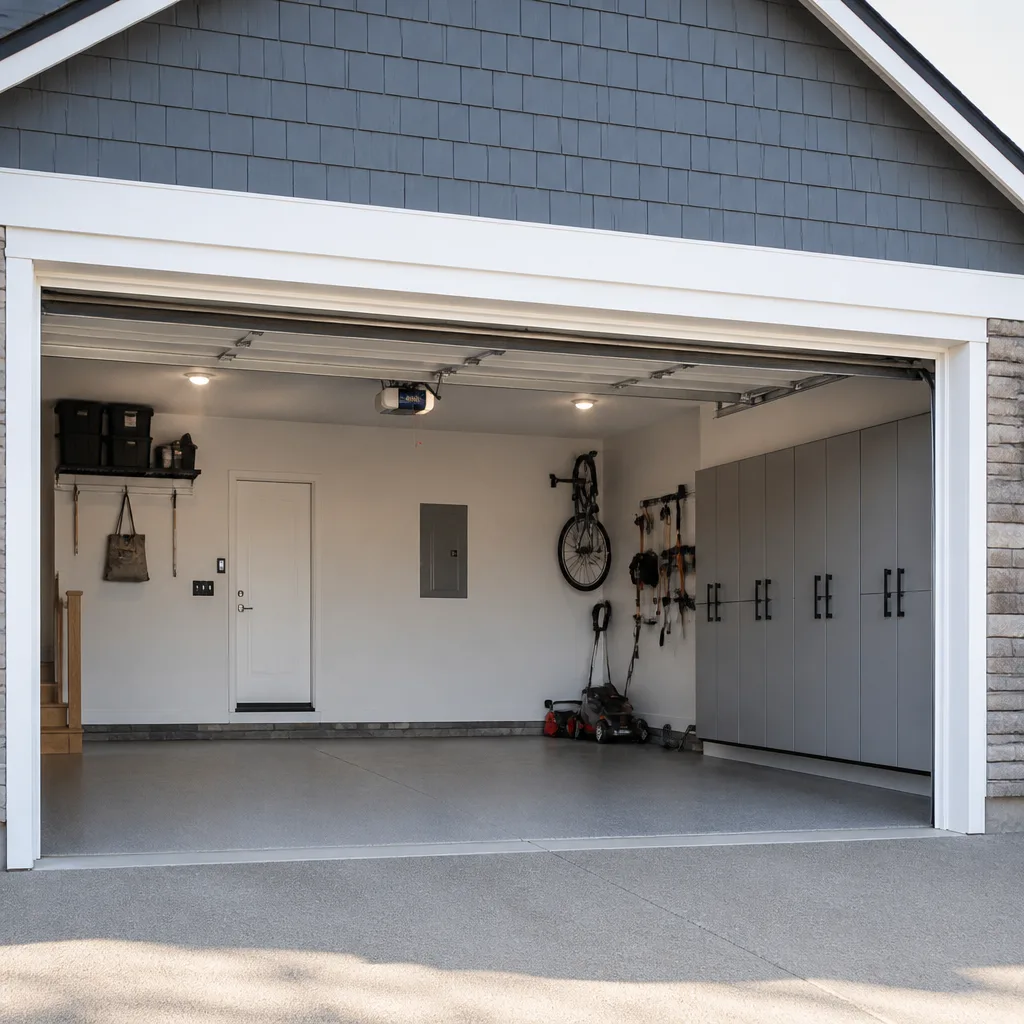 Chamberlain openers
Full 25-point door and opener safety check with every visit - springs, cables, rollers, tracks, and your LiftMaster or Chamberlain opener included
You get a price before we start. It does not change when the pro arrives.
Get your free estimateGarage Door Emergency Preparedness Guide for Long Branch Homes
When a torsion spring snaps at 7am and your car is inside, most homeowners improvise. The ones who’ve read this guide already know their three options before they pick up the phone. Here’s the counterintuitive part: the fastest way to make a garage door emergency worse is to do the first thing that comes to mind – usually pulling the red cord or forcing the door up by hand without thinking it through. Garage door emergencies in Long Branch fall into two categories that get mixed up constantly: mechanical failures you can plan for and weather events you can prepare for. This guide covers both, from the first ten minutes after a spring lets go to the night before a named storm reaches the Shore.
Quick Answer
A garage door emergency in Long Branch is any failure that traps your car, leaves your home open, or makes the door unsafe to operate – usually a broken spring, a snapped cable, a door off its tracks, or storm damage. The right first move is to stop the door where it is, keep people and vehicles clear, and call a specialist who handles high-tension parts rather than trying to fix it yourself. Most mechanical emergencies are resolved with a planned repair, and most storm-related ones start with securing the opening until a technician can inspect it.
Styles & brands we work with
- Raised-panel steel
- Carriage house
- Modern flush
- Full-view glass
- LiftMaster openers
- Chamberlain openers
Table of Contents
- Two Kinds of Emergencies, Two Different Responses
- The First Ten Minutes: Spring, Cable, and Off-Track Failures
- How to Manually Disengage Your Opener and Get Your Car Out
- Nor’easter and Hurricane Prep for Long Branch Properties
- Is a Storm-Damaged Door Safe to Operate?
- Emergency Contact Protocol: What to Have Ready Before You Call
- Prevention Checklist for the Long Branch Climate
- Common Mistakes to Avoid
Two Kinds of Emergencies, Two Different Responses
The distinction matters because the two categories call for opposite instincts. A mechanical failure – a broken spring, a snapped cable, a door that jumped its tracks – is a repair job with a clear sequence. A weather event is a protection job with a very different sequence. Mixing them up wastes time and can put people at risk.
Mechanical emergencies happen with no warning. A torsion spring makes a loud bang, the door drops and stays down, and suddenly your car is stuck inside. Cable failures often look similar: the door sags on one side or hangs at an angle. A door off track can happen after a hard stop, a bumped panel, or a worn roller. In every one of these cases the correct response is to stop, secure the opening, and call for a trained technician – these are high-tension parts, not a weekend project.
Weather emergencies give you notice. A nor’easter building offshore or a hurricane track that puts Long Branch in the cone means you have hours, sometimes a day or more, to prepare. That’s your window to test the door, brace what you can, and move anything valuable away from the opening. The Shore gets wind-driven rain that finds every gap, and the goal before a named storm is to make the door as stable and sealed as you can, not to fix it in the rain.
The two categories also differ in urgency. A mechanical failure is urgent because it traps your vehicle or leaves your home open. A weather event is urgent because the door may become a weak point in the building envelope. Treat both with the seriousness they deserve, but don’t panic either one.
The First Ten Minutes: Spring, Cable, and Off-Track Failures
The first ten minutes after a mechanical failure set the tone for everything that follows. What you do (and don’t do) in that window determines whether the repair stays straightforward or gets more complicated and more expensive. Here’s the sequence we recommend for Long Branch homeowners.
- Stop. Don’t try to force the door up or down. A door held up by a broken spring or a slack cable can come down hard and without warning.
- Keep people and vehicles clear. Move kids, pets, and anything fragile away from the door. If a car is parked under the door, leave it unless a technician tells you otherwise.
- Look, don’t touch. From a safe distance, note what you see. Is the door hanging at an angle? Is a cable wrapped or slack on one side? Is there a gap above or below a panel? These details help when you call.
- Secure the opening. If the door is stuck open and the house is exposed, close the door manually only if you can do it safely and the door is on its tracks. If it won’t move smoothly, leave it and secure the space another way – a secondary door, a locking bar, or a temporary barrier.
- Call a specialist. Springs and cables are high-tension components. This isn’t a DIY fix. Call for an emergency service call and describe what you see.
One more thing: don’t try the opener again. Running a motor against a jammed or broken door can strip the drive gear or damage the opener carriage. Unplug the opener or flip its breaker if you’re not sure it’s off – it’s a small step that protects the equipment. When we handle emergency calls in Long Branch, that first conversation is often the difference between a quick spring or cable repair and a job that also needs opener work.
How to Manually Disengage Your Opener and Get Your Car Out
This is the single most useful skill in the whole guide, because it solves the problem most people actually face: the door is stuck and the car is on the wrong side. Every opener has a manual release, and every homeowner should know where it is and how it works before they need it.
On a standard chain- or belt-drive opener, you’ll find a red release cord (sometimes a red handle) hanging from the carriage that runs along the rail. On most LiftMaster and Chamberlain units the cord hangs straight down about six feet; on Genie and Raynor models it’s similar but the carriage shape differs. Find yours now, before a failure, so you’re not hunting for it in the dark.
- Make sure the door is fully closed or fully open, not mid-travel. Releasing a door halfway up can let it drop or slam.
- Stand clear of the door and its path. Then pull the release cord straight down, firmly, once. You should feel it click.
- Lift the door slowly by hand. On a door with a broken spring, the door will feel extremely heavy – do not force it. Stop if it doesn’t move easily.
- Walk the door up and secure it. Most doors will stay open on the tracks if balanced. If it won’t, prop it with a locking bar or clamp, never with a person holding it.
- Move the car out, then re-engage. After you’ve moved the car, pull the door down, then re-engage the carriage by running the opener or by hand until it clicks back onto the rail.
One warning: this procedure gets you unstuck. It does not fix the underlying problem. If the door feels heavy on one side, sags, or won’t stay up on its own, a spring or cable is likely involved, and that’s when you call for garage door spring repair.
Nor’easter and Hurricane Prep for Long Branch Properties
Long Branch sits on a stretch of shoreline where named storms are a fact of life, and the garage door is one of the most exposed parts of the house. Before a named storm arrives, the goal is not to seal the door like a vault – it’s to reduce the load on it, clear the opening, and know what to do if it fails.
Here’s what we recommend for Long Branch homeowners as a storm approaches:
- Test the door early. Run it up and down a couple of times while you still have power and time. Listen for grinding, watch for hesitation, and check that the safety reverse works. A door that’s already struggling will not do better in wind.
- Move the car out of the garage. If the door fails during the storm, you don’t want your vehicle trapped behind it.
- Clear the tracks and the path. Remove anything leaning against the door, and check that the tracks aren’t blocked by stored items.
- Check the weather seal and bottom seal. A worn bottom seal lets wind-driven rain in. If it’s cracked or missing, note it – it’s a cheap fix that matters in a storm.
- Know your wind rating. Standard residential doors are not rated for hurricane-force wind. If your home is in an area that gets real exposure, ask about a door rated for high wind before the season, not during the storm.
- Don’t brace a door with boards across the opening unless you know what you’re doing. A board that fails can become a projectile.
What a garage door can withstand depends on the door, its tracks, and the wind it faces. What no residential door can do is shrug off debris. If a limb or a piece of siding hits the door during a storm, treat it as a potential structural issue until a technician inspects it. During the storm itself, stay inside and away from the door. We’re available for emergency calls throughout the year, and in our experience the busiest storm calls come right after the wind dies down – which is exactly when you should call us, not before.
Is a Storm-Damaged Door Safe to Operate?
Not always, and the answer depends on what’s damaged. A door that took a hit can look fine and still be unsafe to run, because the damage is often in the parts you can’t see from the outside. Here’s how to evaluate it without putting yourself at risk.
Safe to operate, with caution, usually means:
- The panels look straight and the door sits level in the opening.
- The tracks are unbent and the door rolls smoothly by hand.
- The springs and cables look intact – no slack, no visible fraying, no dangling pieces.
- The opener runs the door up and down without straining.
Not safe to operate means stop and call:
- Any panel is dented, creased, or pushed in – the door’s structural strength is compromised.
- The door is cocked in the opening or hangs at an angle.
- A cable is slack or off its drum, or a spring looks broken.
- The tracks are bent out of shape, or the door drags on one side.
If it’s not safe, don’t run the opener and don’t force the door. Secure the opening as best you can – lock it, barricade it from the inside, or cover it with a temporary panel – and call for an inspection. When we assess storm damage in Long Branch, we start with the tracks and the springs and work outward; that tells us quickly whether it’s a repair or a replacement conversation.
Emergency Contact Protocol: What to Have Ready Before You Call
The call goes faster and smoother when you have four things ready: what happened, what you see, what you’ve already tried, and how to reach you. Here’s the information to gather before you dial.
- The door make and model, if you know it. We work on the brand you already own – LiftMaster, Chamberlain, Genie, Raynor, and others – so telling us the brand up front saves a step.
- What failed. Spring, cable, opener, tracks, panels, or something else. Say it plainly: “the door came down hard and won’t go up,” or “the door is stuck open and I can’t close it.”
- What you’ve already tried. Did you pull the manual release? Did the opener run and stop? Did you try the wall button and the remote? This tells us a lot before we arrive.
- Access and urgency. Where’s the door, is the car trapped, is the home exposed, are there kids or pets involved. Mention anything that makes it urgent.
Urgency is helpful, but it doesn’t have to mean higher cost. The scope of the job is set by what’s actually wrong, not by how fast you need us. Our technicians have up to 13 years of experience, and the goal of that first call is a clear picture of the problem so a trained technician comes out prepared. We give free estimates and quote the price before any work starts – no surprises on the invoice. From opener glitch to full installation, a single call covers the whole range.
One habit worth building: keep our number somewhere you’ll find it fast. If you’re dealing with a door that won’t move, you don’t want to be searching your phone in the dark. Garage door repair starts with a phone call, and the faster you make it, the faster the door is working again.
Prevention Checklist for the Long Branch Climate
Most emergencies we see are not random. They’re the last link in a chain of small issues that went unnoticed. A fifteen-minute walk-around a few times a year catches most of them. Here’s the checklist we give Long Branch homeowners.
- Listen to the door. Grinding, squealing, or a door that hesitates at the top or bottom usually means a worn roller, a dry hinge, or a failing spring.
- Check the balance. With the opener disengaged, lift the door halfway by hand. It should stay there. If it drifts down or feels heavy, a spring is tired.
- Test the safety reverse. Put a small object in the door’s path and run the door down. It should reverse on contact. If it doesn’t, that’s a safety issue worth a service call.
- Look at the cables and springs. You’re looking, not touching. Slack, fraying, or a stretched spring means a call.
- Check the seal. The bottom seal and side seals keep wind-driven rain out. Replace them before the season, not after the first storm.
- Clear the tracks. Small debris or a bent track will eventually derail a door.
- Look at the opener. Test the wall button and the remote. If either is intermittent, the opener may need service before it fails for good.
Prevention is cheaper than almost any emergency repair, and it’s the difference between a door that works when a storm is on the way and one that doesn’t. If a check turns up something you’re not sure about, garage door opener repair is a small job now and a bigger one later. This checklist is also the simplest way to stay ahead of the two categories this guide covers – mechanical wear and storm readiness – without treating either one as a crisis.
Common Mistakes to Avoid
Here are the mistakes we see most often on emergency calls in Long Branch. Each one is avoidable with a little knowledge.
- Pulling the manual release on a door with a broken spring. The door will drop hard and can injure someone or break a panel. Check the door’s weight first, and only release if it’s fully up or fully down and feels balanced.
- Running the opener against a jammed door. This strips the drive gear and turns a spring repair into an opener repair. Unplug the opener instead.
- Forcing a door that’s off its tracks. You’ll bend a panel or a track, and a repair becomes a replacement. Leave the door where it is and call.
- Waiting to call until the car is already trapped. A door that’s been sluggish for a week is telling you something. Book the repair before it fails at 7am on a morning you need to be somewhere.
- Prop boards across the opening before a storm. A board that fails in wind becomes a projectile. If you’re not sure how to brace the door, don’t.
- Assuming a storm-damaged door is fine because it still opens. A bent track or a creased panel can fail in use. Get it inspected before you run it again.
- Not knowing where the release cord is. Every homeowner should locate it once, in daylight, on a calm day. That’s the fastest way to get your car out when you need to.
See the difference
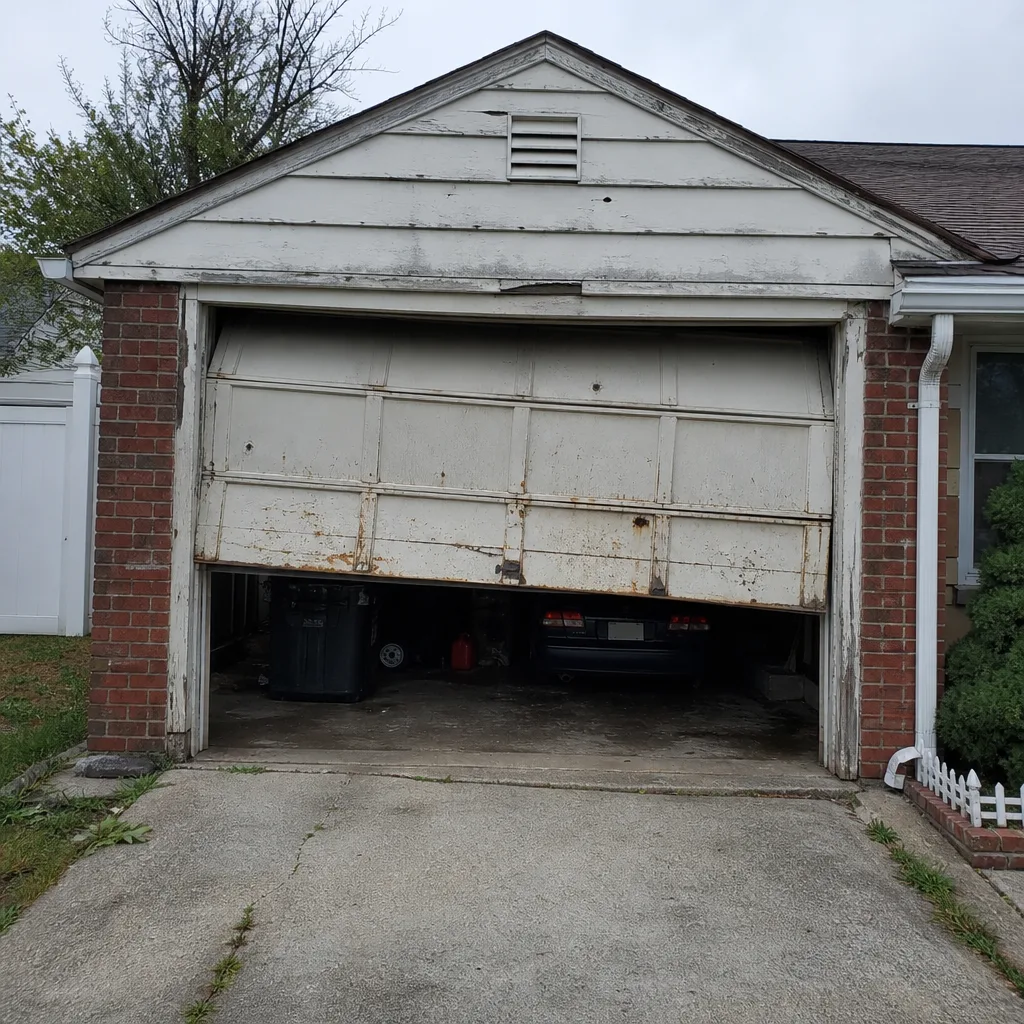 Before
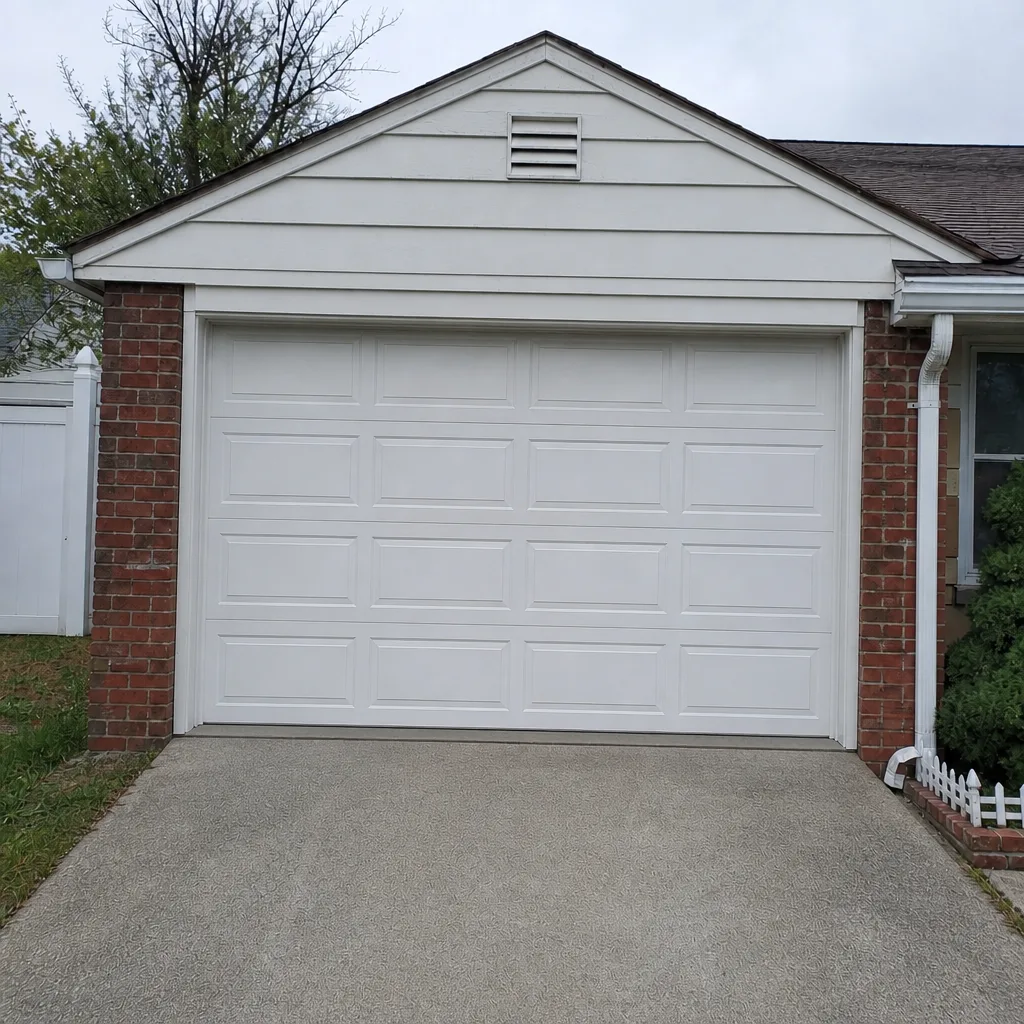 After
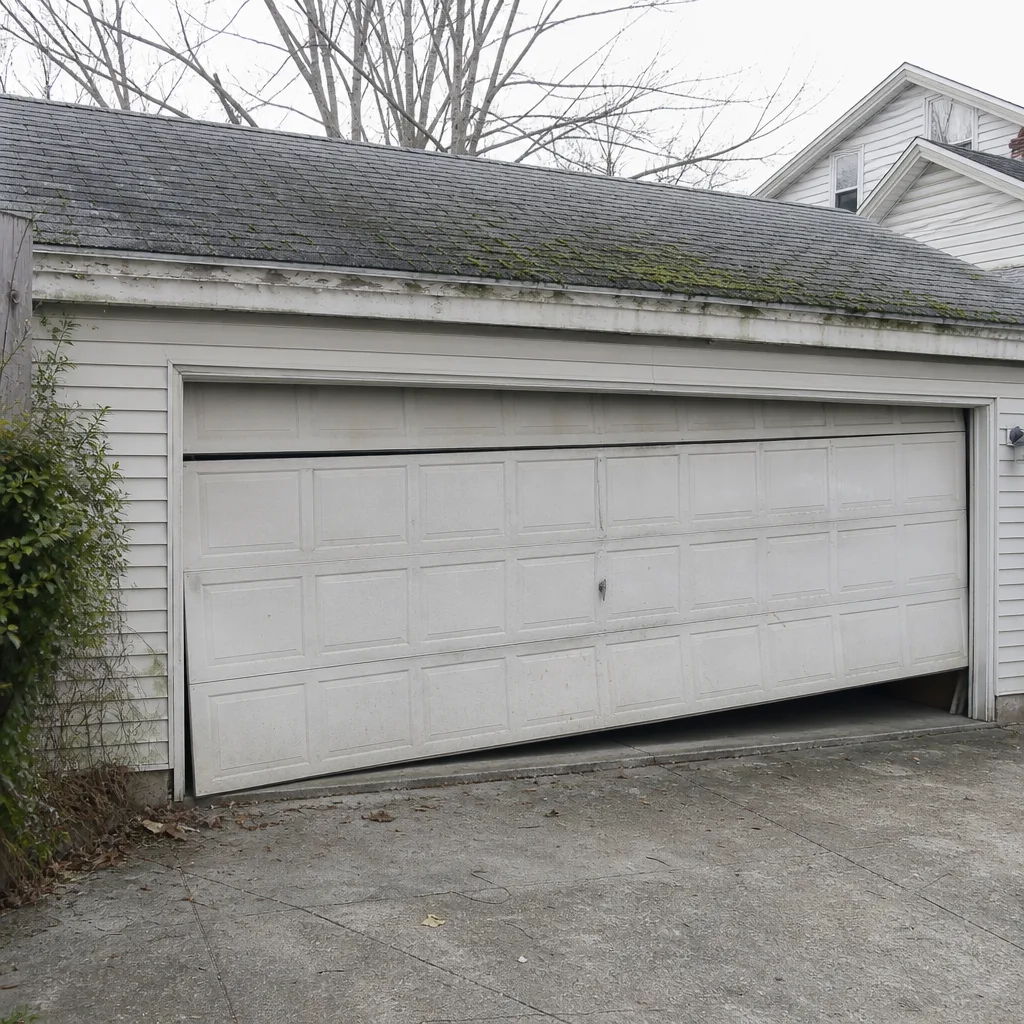 Before
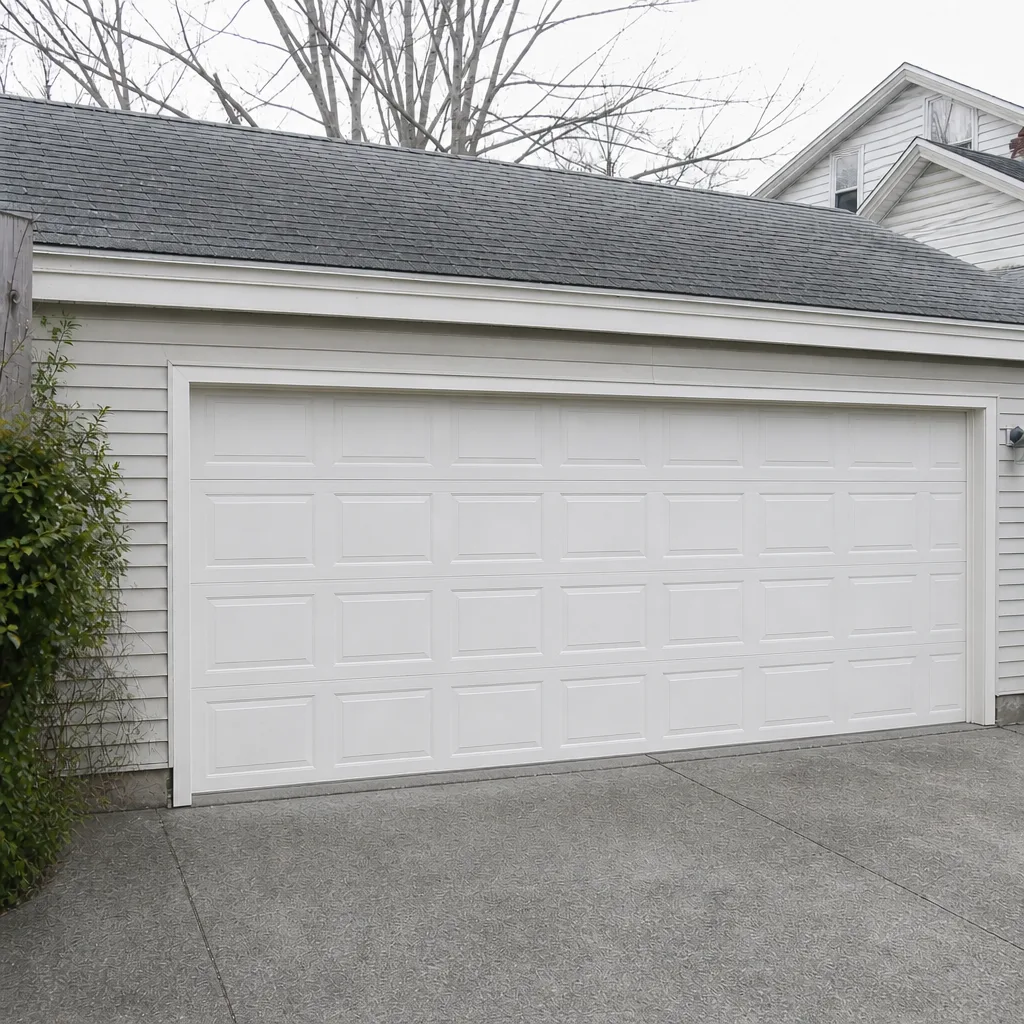 After
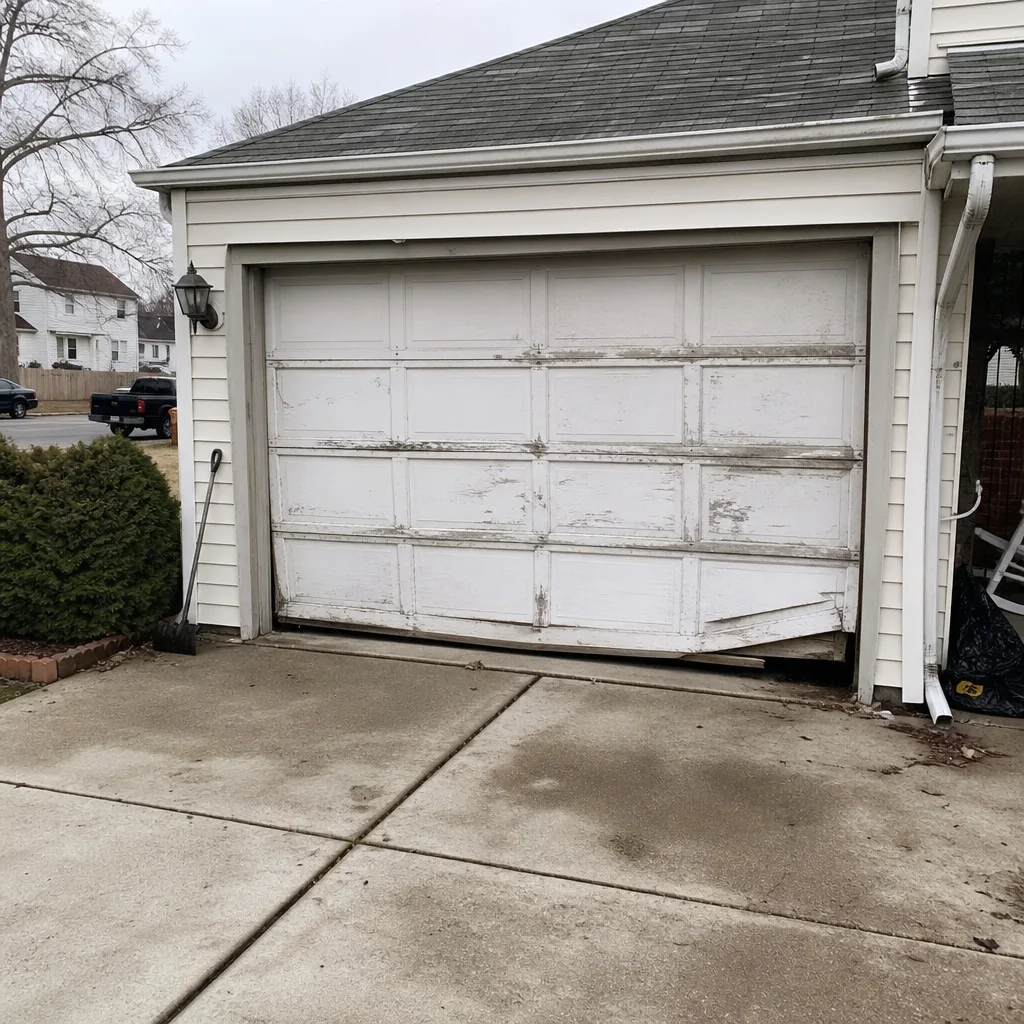 Before
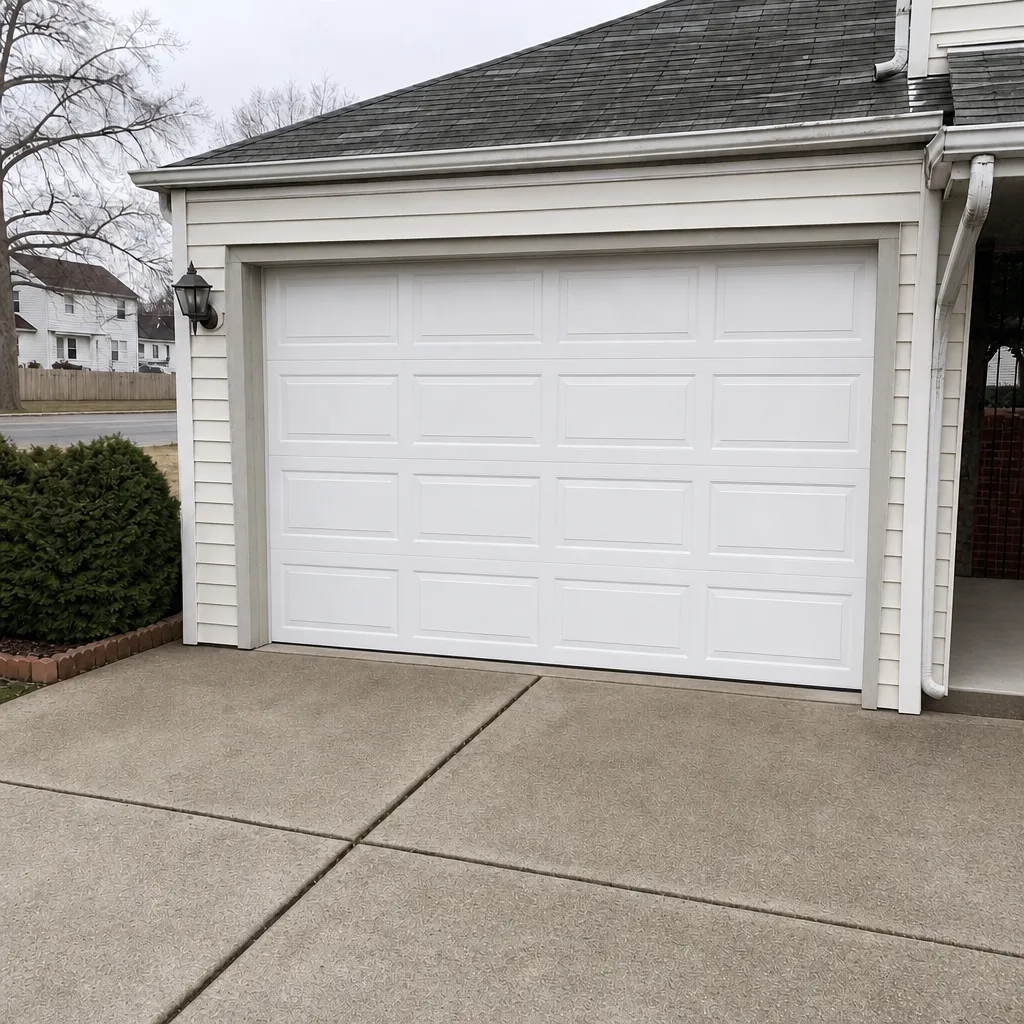 After
When to Call a Professional
Call a specialist when the door won’t move, when a spring or cable has failed, when a door is off its tracks, or when it’s been hit by storm debris and you’re not sure whether it’s safe. Call when the opener runs but the door doesn’t, when the door reverses for no reason, or when it sags on one side. Call when the safety reverse fails. Call when a storm is coming and the door already seems sluggish. Springs and cables are high-tension components, and this isn’t a DIY fix – a trained technician with the right tools is the safe answer. Long Branch Garage Door Repair Pros offers free estimates in Long Branch – call (855) 658-3081. We’re a dedicated garage door specialist, garage doors only, so every call builds on the same trade. When your door won’t move, we will.
Frequently Asked Questions
A garage door emergency in Long Branch is any failure that traps a vehicle, leaves the home exposed, or makes the door unsafe to operate – a broken spring, snapped cable, door off track, or storm damage. Not every problem is an emergency. A noisy door or a slow opener can wait for a scheduled visit. Anything involving a high-tension part or an open opening deserves a call. If you’re not sure, call us and describe it – we’ll tell you whether it’s urgent.
Yes, if the door is fully closed or fully open and you can find the manual release cord. Pull the cord straight down, lift the door slowly by hand, and walk it up on the tracks. Don’t force a heavy door – if it won’t move easily, leave it and call. Once the car is out, re-engage the opener and book a repair. Our Long Branch Garage Door Repair Pros team can walk you through the release over the phone if you’re not sure where it is.
Emergency repairs in Long Branch are priced by the job, and the written estimate sets the final price – you’ll know the number before any work starts. A spring repair is quoted per spring, and a matched pair is usually replaced together, so a pair costs about twice a single spring. The exact price depends on the door, the hardware, and what’s actually failed. Call (855) 658-3081 for an exact quote – estimates are free.
The written estimate is the price – that’s the answer, and it’s why we quote before the work starts. We look at the door, explain what failed, and give you a number. If we find something the initial assessment missed, we tell you before we do the work and you decide whether to proceed. Nothing gets added to the invoice after the fact without your agreement.
It’s safe only if the panels are straight, the tracks are unbent, the springs and cables are intact, and the door moves smoothly by hand. If any panel is creased, the door hangs at an angle, or a cable is slack, don’t run it. Secure the opening and call for an inspection. A damaged door that still “works” can fail in use, and the repair is usually simpler before you’ve run it.
The local professional we connect you with is licensed and insured as their state requires, and our technicians have up to 13 years of experience. We work on the brand you already own – LiftMaster, Chamberlain, Genie, Raynor, and others – so you’re not pushed into an equipment swap. Call (855) 658-3081 for an exact quote and to book a visit.
The Bottom Line
Garage door emergencies in Long Branch come in two shapes: mechanical failures and weather events. They call for different responses, and the time to learn the difference is before the adrenaline kicks in. The mechanical side is simple: stop, secure the opening, know where your release cord is, and call a specialist rather than forcing a high-tension part. The weather side is about preparation – test the door early, move the car, clear the tracks, and treat storm damage as a potential structural issue until a technician says otherwise. Keep our number somewhere you’ll find it fast. From opener glitch to full installation, garage doors only. When your door won’t move, we will. Call (855) 658-3081 for a free estimate.
Written by the team at Long Branch Garage Door Repair Pros.