Last updated November 23, 2026
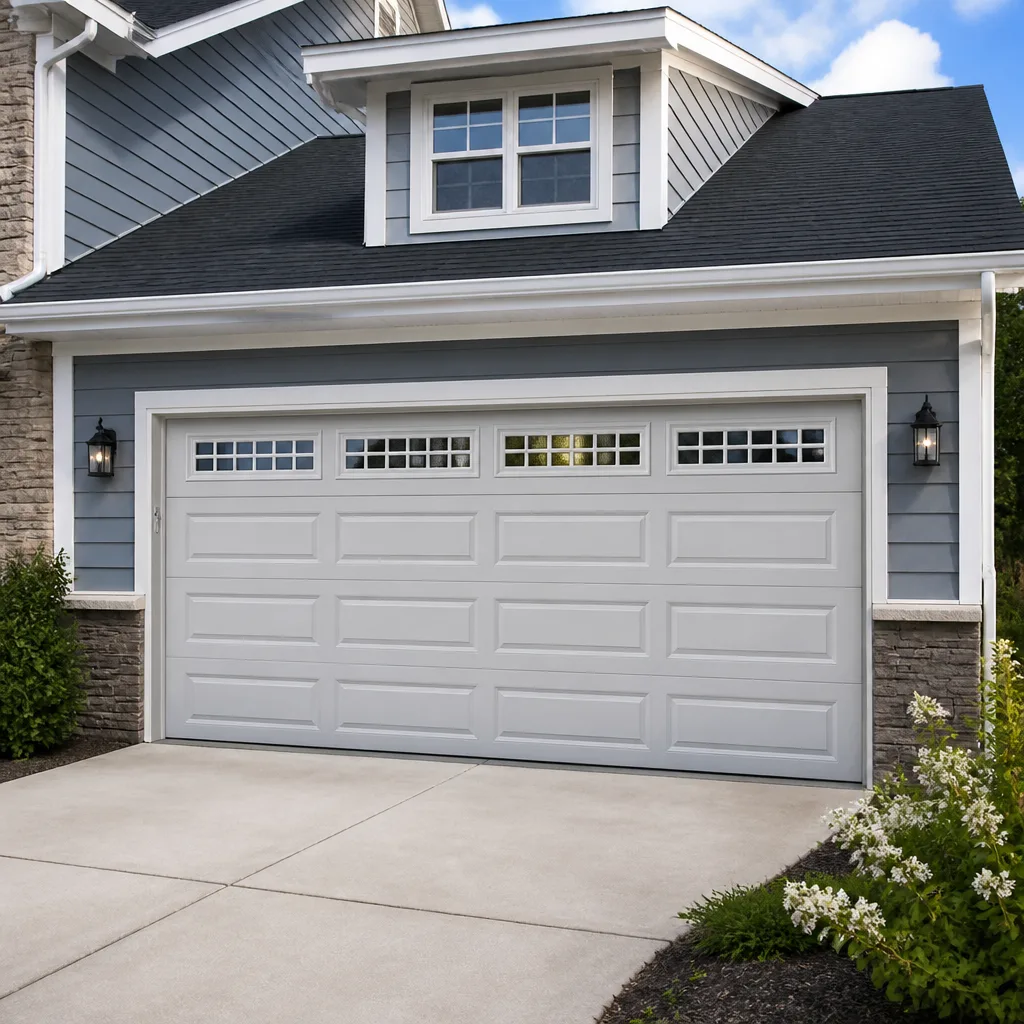 Raised-panel steel
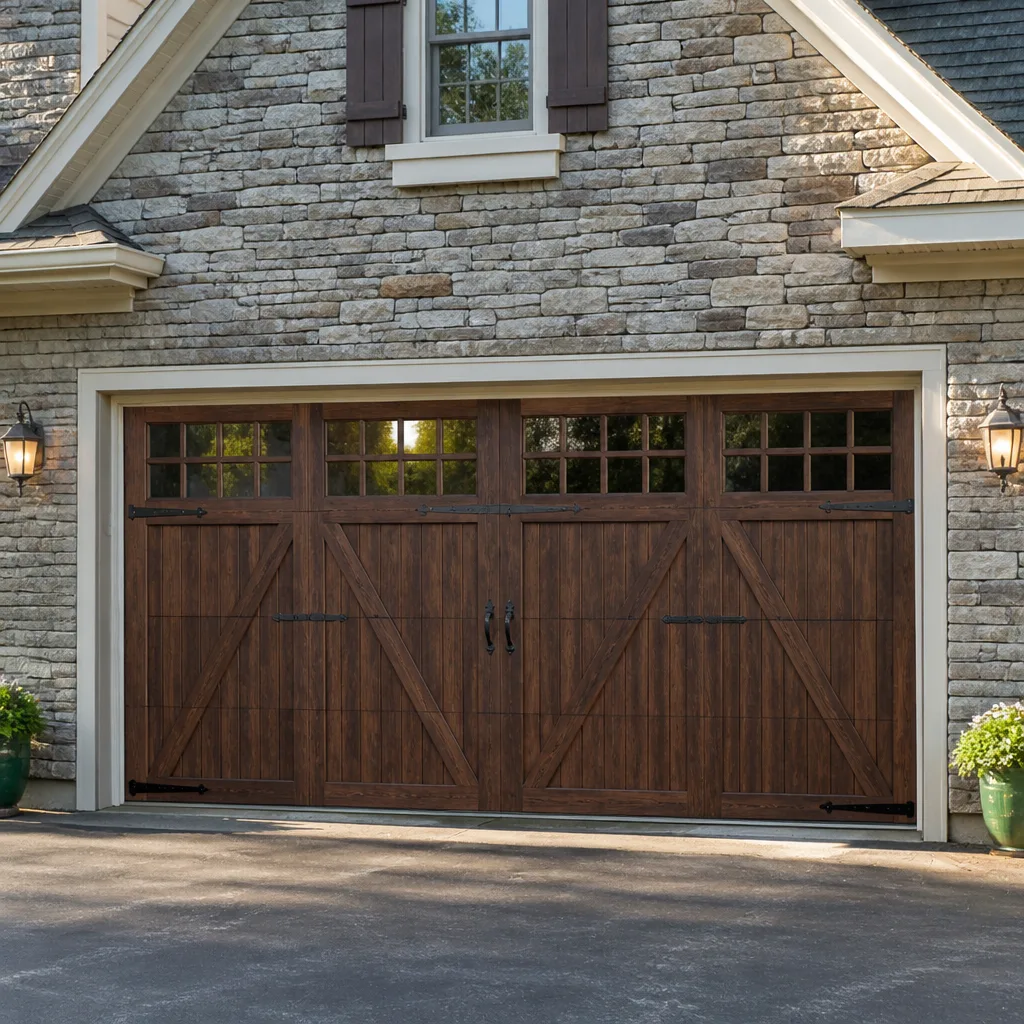 Carriage house
 Modern flush
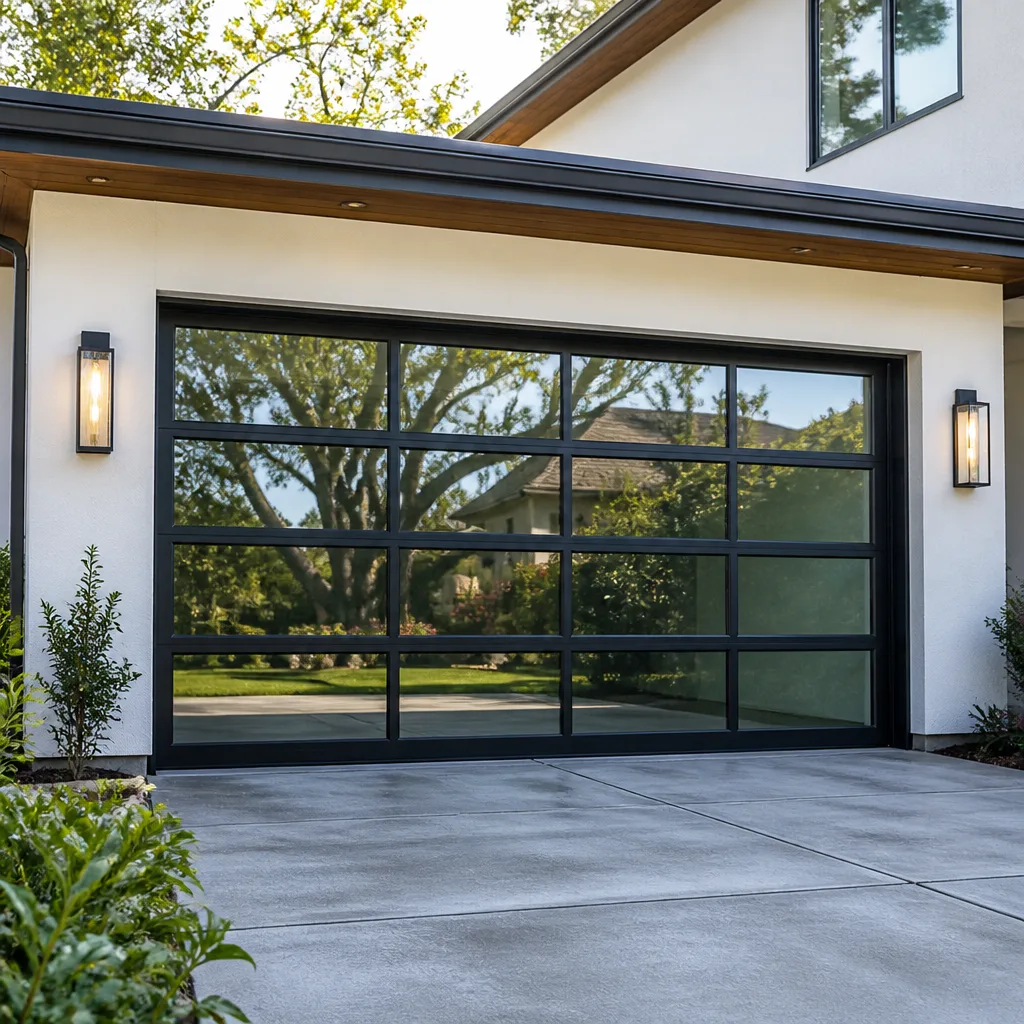 Full-view glass
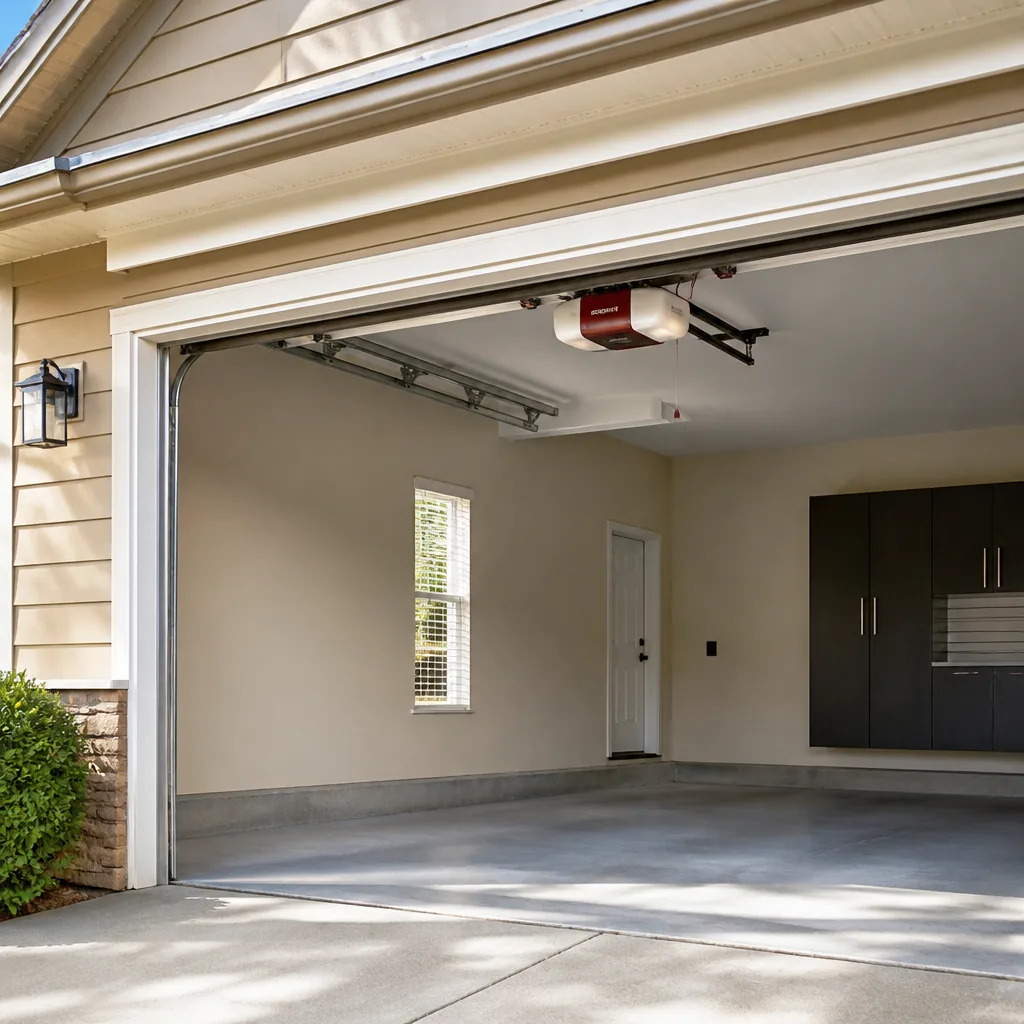 LiftMaster openers
 Chamberlain openers
Full 25-point door and opener safety check with every visit - springs, cables, rollers, tracks, and your LiftMaster or Chamberlain opener included
You get a price before we start. It does not change when the pro arrives.
Get your free estimateGarage Door Repair Maintenance Checklist for Long Branch Homeowners
The standard “lubricate once a year” advice was written for landlocked suburbs. In Long Branch, once a year means you’re already behind. Homes here sit close to the water, and the moisture that hangs in the air most of the year works its way into every moving metal part of a garage door. Springs pit, cable drums stiffen, rollers start to drag, and by the time the door sounds wrong, the damage has usually been building for months. The good news is that a garage door is one of the easiest exterior systems to maintain once you know what to look at. This guide walks through the full checklist, coast-adjusted, component by component, and draws a clear line between what you can safely handle on a Sunday afternoon and what genuinely needs a technician’s hands. We’ve seen how Long Branch doors age, and it looks different from what a national maintenance calendar assumes.
Quick Answer
In Long Branch, garage doors need a full inspection and lubrication roughly every four to six months rather than once a year, because airborne moisture accelerates wear on springs, cables, rollers and tracks. Your own monthly check should cover the balance test, the safety reverse test, and a visual look at springs and cables; anything involving adjustment, high-tension parts, or opener wiring belongs to a qualified technician. Post-summer and post-winter are the two inspection points that matter most on the Long Branch calendar.
Styles & brands we work with
- Raised-panel steel
- Carriage house
- Modern flush
- Full-view glass
- LiftMaster openers
- Chamberlain openers
Table of Contents
- Why Long Branch Doors Age Faster Than the National Checklist Assumes
- The Component-by-Component Checklist
- The Right Lubricants (and What to Avoid Here)
- How to Spot Early Corrosion Before It Fails
- What You Can Safely Check Yourself vs. What Needs a Technician
- Seasonal Timing: The Two Critical Checkpoints in Long Branch
- Opener and Safety System Maintenance
- Common Mistakes to Avoid
Why Long Branch Doors Age Faster Than the National Checklist Assumes
Most maintenance advice you’ll find online comes from parts of the country where winters are dry and summer humidity tops out in August. Long Branch doesn’t work that way. The air here holds moisture through long stretches of the year, and that moisture settles on every unpainted steel surface of a garage door. Torsion springs, which are under constant tension even when the door is closed, are especially exposed. The wire surface develops a dull bloom that looks harmless until you realize it’s the first stage of pitting. Once pitting starts, the spring has a stress riser built into it, and stress risers are where springs break.
The housing stock matters too. Long Branch has a mix of older homes with detached or attached garages that weren’t built with modern ventilation in mind, and newer construction where the garage is tighter and traps humidity differently. Either way, the door hardware sits in an environment that is harder on metal than a typical inland garage.
What this means practically: the intervals on a national checklist need to be compressed. Where a generic guide says “lubricate yearly,” we say inspect every few months and lubricate on that same schedule. Where a generic guide says “check springs annually,” we say look at them monthly and have them inspected by a technician at least twice a year. That’s the difference between catching corrosion early and replacing a broken spring on a stuck door.
It also means the maintenance calendar here has two peak points that matter more than any others. We’ll cover those in detail below, but the short version is this: the check after summer tells you what the humid season did, and the check after winter tells you what the cold contraction cycle did. Skip either one and you’re guessing.
The Component-by-Component Checklist
This is the working checklist we’d hand to any Long Branch homeowner. Walk it top to bottom. Each item tells you what to look for and how the local conditions change the picture.
Springs (torsion and extension). Look for rust bloom, dark pitting, gaps in the coils, or a door that feels heavier than it should. Torsion springs above the door carry enormous stored tension. Never touch them, never try to loosen a set screw, and never put a tool near them. This is the one component where the only safe homeowner action is observation. If you see corrosion or the door lifts hard, that’s a call. Our garage door spring repair work is built around exactly this kind of high-tension job.
Cables and drums. Cables should run evenly and sit neatly in the drum grooves. Look for fraying, kinks, or a cable that has jumped a groove. Any of these on a door under tension is a stop-use situation.
Rollers. Steel rollers on a metal track need clean lubrication and free rotation. Nylon rollers are more forgiving of humidity but still need clean tracks. If a roller wobbles or grinds rather than rolls, it’s worn.
Tracks. The vertical and horizontal tracks should be straight, parallel, and firmly mounted. Look for loose bolts, dents, and any gap where the door hesitates. Never force a bent track back into shape yourself; the geometry needs to be reset by someone who does it daily.
Hinges and fasteners. Hinges get stiff and their bolts work loose over time. A quarter-turn on a loose bracket bolt is a safe homeowner fix. A hinge that’s cracked or a bracket pulling from the frame is not.
Weather seals and bottom seal. This is where Long Branch doors fail quietly. The bottom seal flattens and cracks, and the perimeter seal pulls away from the frame. A failed seal lets moisture sit against the door’s bottom edge and the floor track. Run your hand along the bottom seal when the door is fully closed and look for daylight. Replace seals when they harden or tear.
Balance and travel. Disconnect the opener and lift the door halfway by hand. It should hold its position. If it drops or rises on its own, the spring tension needs adjustment, which is a technician task.
Safety reverse. Place a solid object in the door’s path and confirm the door reverses on contact. This is a monthly check and takes under a minute.
The Right Lubricants (and What to Avoid Here)
Here’s where most coastal checklists get it wrong. The advice to “spray everything with silicone” is meant for dry climates. In Long Branch, a light silicone spray on exposed tracks and springs dries quickly and leaves a tacky film, and that film captures grit, dust, and airborne debris. Grit on a moving metal surface is an abrasive. You’re better off with nothing than with the wrong product.
What works in this climate:
- White lithium grease on hinges, rollers, and the torsion spring coils. It holds up against moisture and stays where you put it. Applied in a thin film, it resists being washed away by humid air in a way that lighter products don’t.
- A lithium or synthetic grease with corrosion inhibitors for tracks. A light film on the track surface is enough. Don’t over-apply; excess grease collects grit.
- Silicone spray is still fine in a few spots – the bottom seal and weather stripping, where you want a dry, non-tacky surface. Just don’t use it as your all-purpose product.
- Skip WD-40 as a lubricant. It’s a solvent and water displacer, not a long-term lubricant. It thins out existing grease and leaves metal under-protected in a humid environment.
Wipe parts down before you lubricate. Greasing over grit just seals the grit in place. A clean rag and a few minutes make the lubricant actually do its job.
How to Spot Early Corrosion Before It Fails
Corrosion on garage door hardware doesn’t announce itself. It shows up as discoloration and texture changes long before anything breaks. Learning to read those early signs is one of the highest-value skills in this whole checklist.
On torsion springs, watch for a uniform dull grey turning toward brown, or small dark speckles on the coil surface. Run your eye along the full length of each coil, not just the middle. The ends are where moisture pools. Any pitting, however small, means the spring’s service life is shortening, and it should be evaluated by a technician.
On cable drums, look for rust streaks at the drum edges and along the grooves. Rust here causes the cable to bind as it winds, and a cable that binds can jump the groove. On rollers and hinges, look for orange-tinted dust, which is metal actively giving up material. On the tracks, look for rust at the floor-mounted bracket and the vertical track joints, where water tends to sit.
On the door itself, especially on steel doors, look at the bottom edge and the panel seams. Any bubbling paint or orange bleed at a seam is corrosion starting under the finish. Address it early; a small touch-up is much cheaper than a panel replacement.
Our technicians have up to 13 years of experience reading this kind of wear, and a big part of what they do on a routine visit is exactly this: a trained eye across the full door looking for what’s starting, not just what’s already failed. If you want an inspection done right, that’s the job to hand off.
What You Can Safely Check Yourself vs. What Needs a Technician
We’re not going to tell you to leave everything to a professional. Plenty of routine checks are safe, quick, and genuinely useful to do yourself. But there’s a real line here, and it matters that you know where it is.
Safe for you:
- Testing the safety reverse with an object in the door’s path.
- Lifting the door by hand with the opener disconnected to check balance and feel.
- Wiping down and lubricating hinges, rollers, and tracks with the right products.
- Visual inspection of springs, cables, drums, and the door’s bottom edge.
- Tightening a loose bracket bolt with a hand tool.
- Replacing weather seals and the bottom seal.
- Cleaning the tracks with a rag.
Call a technician:
- Any adjustment to spring tension, proper or otherwise.
- Removing or installing a torsion spring or extension spring (springs are high-tension components; this isn’t a DIY fix).
- Replacing or re-seating a cable.
- Freeing a door that’s off track or jammed.
- Replacing a bent track section.
- Any work inside the opener housing or on opener wiring.
- Any door that feels heavy, drops unexpectedly, or refuses to hold its halfway position.
The line is roughly this: if the component is under tension, or if adjusting it could cause the door to move with force, it’s not a homeowner job. Everything else is fair game. When in doubt, our garage door repair service is one call away, and a technician can walk you through whether the issue needs a visit.
Seasonal Timing: The Two Critical Checkpoints in Long Branch
Long Branch has two annual milestones that matter more than any others for garage door maintenance. Miss them and you’re working blind for half the year.
The post-summer check (late September or early October). Summer is when moisture and heat do their work. By the time the air starts to cool, any corrosion that started in June or July has had three or four months to progress. This check is about identifying what the humid season produced. Look hard at springs, drums, tracks, and the bottom edge of the door. Lubricate everything that needs it heading into the cooler months, and replace any seal that hardened over the summer.
The post-winter check (March or early April). Cold weather contracts metal and stresses every component that was slightly compromised in the fall. A spring that was holding on in October can be at the edge of failure by March. The post-winter check catches what the cold did and gets the door ready for the humid season ahead. It’s also the right time for a technician inspection if you skipped the fall one.
Between those two big checks, do a lighter pass every couple of months: a wipe-down, a quick balance test, a look at the springs. If the door lives in a spot on your property that catches runoff or shade that holds moisture, lean toward the more frequent schedule. Long Branch properties vary a lot block to block, and the door that sits in the dampest spot needs the most attention.
If opener behavior has been odd – unexplained reversals, a remote that only works up close, a motor that runs but doesn’t move the door – don’t wait for the seasonal check. That’s garage door opener repair territory and getting it looked at early usually keeps it a small job.
Opener and Safety System Maintenance
The opener gets less attention than the door but fails more often. A few habits keep it running without drama regardless of whether you own a LiftMaster or a Craftsman unit.
- Test the safety reverse monthly. Put a brick or a piece of scrap in the door’s path and confirm the door reverses on contact. If it doesn’t, the opener’s force settings or sensors need attention.
- Keep the safety sensors aligned and clean. The two small lenses near the floor get dusty and knocked out of alignment. Wipe them and check the indicator lights.
- Watch for motor straining. If the opener sounds like it’s working harder than it used to, the door’s balance is probably off. Have the door checked before you assume the opener is failing.
- Lubricate the opener’s rail and chain per the manufacturer’s guidance. A dry chain is a noisy chain, and noise is often the first sign of a problem.
- Replace remote batteries proactively. A weak battery causes a weak signal, and weak signals get blamed on the opener.
If the opener is more than about a decade old and starting to misbehave, the honest answer might be replacement rather than repair. A specialist can look at the actual unit and tell you which makes sense, and we work on Wayne Dalton, Raynor, and most of the major brands, so the recommendation isn’t shaped by what a particular manufacturer wants to sell. A technician with years of opener experience can usually tell the difference in a single visit.
Common Mistakes to Avoid
- Following a once-a-year lubrication schedule. That’s a landlocked-suburb recommendation. In Long Branch, once a year means the wrong product, the wrong interval, and the wrong result. Compress the schedule.
- Using silicone spray as a universal lubricant. It dries tacky here and attracts grit. Use lithium or a proper track lubricant for moving parts, and save silicone for seals and weather stripping.
- Ignoring a slightly stiff door. Stiffness in Long Branch is almost always the first visible sign of corrosion on springs or drums. Waiting “to see if it gets worse” usually means it goes straight from stiff to broken.
- Forcing a door that’s off track. A door that’s jumped its track can twist and drop. Stop using it and call. This isn’t a “pull harder” situation.
- Spraying lubricant on torsion springs to “fix” a squeak. Some squeaks are spring tension issues, not lubrication issues. Greasing over the problem leaves the real issue untouched.
- Setting aside the post-summer and post-winter checks. These two points catch the vast majority of progressive damage in this climate. Skipping them pushes every other item on this checklist further down the road.
- Replacing weather seals only when they visibly tear. A seal that has hardened and stopped flexing lets moisture sit against the door, which is exactly the exposure this guide is built around avoiding.
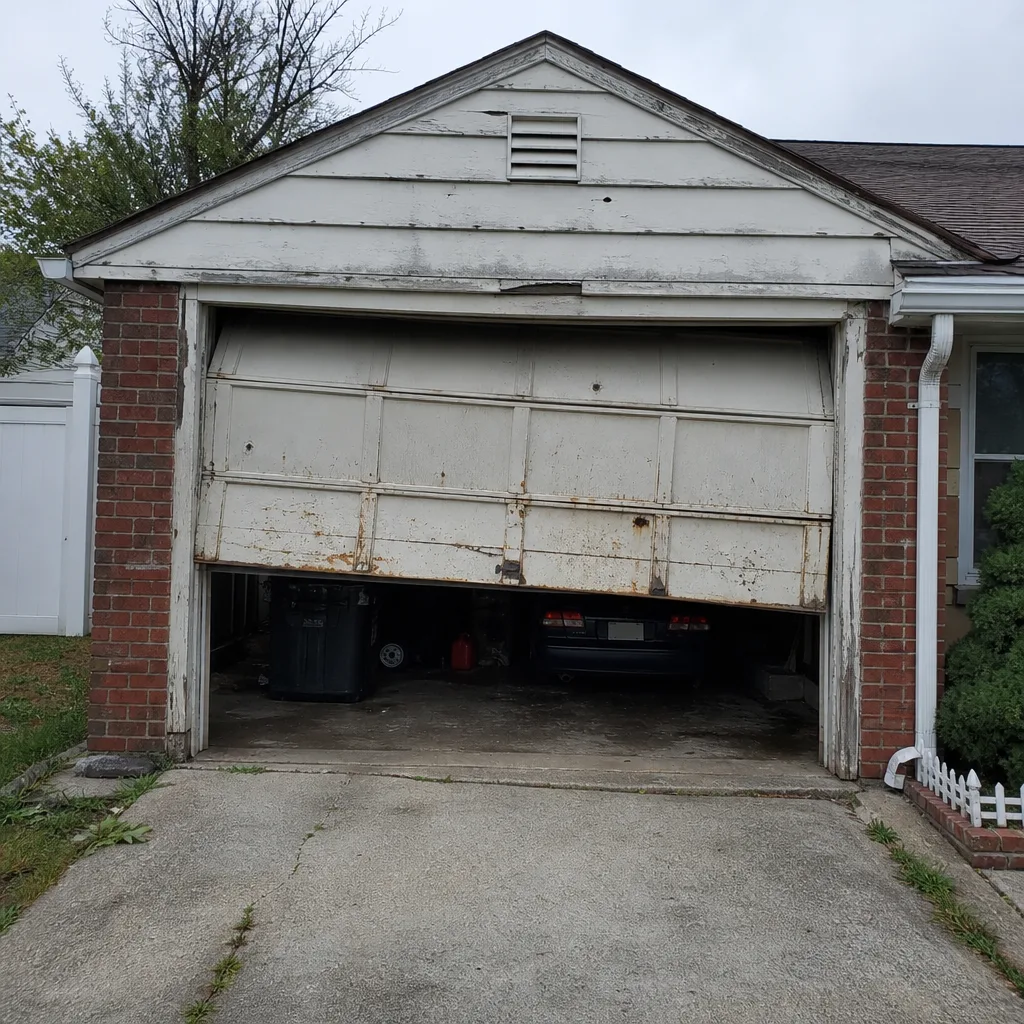
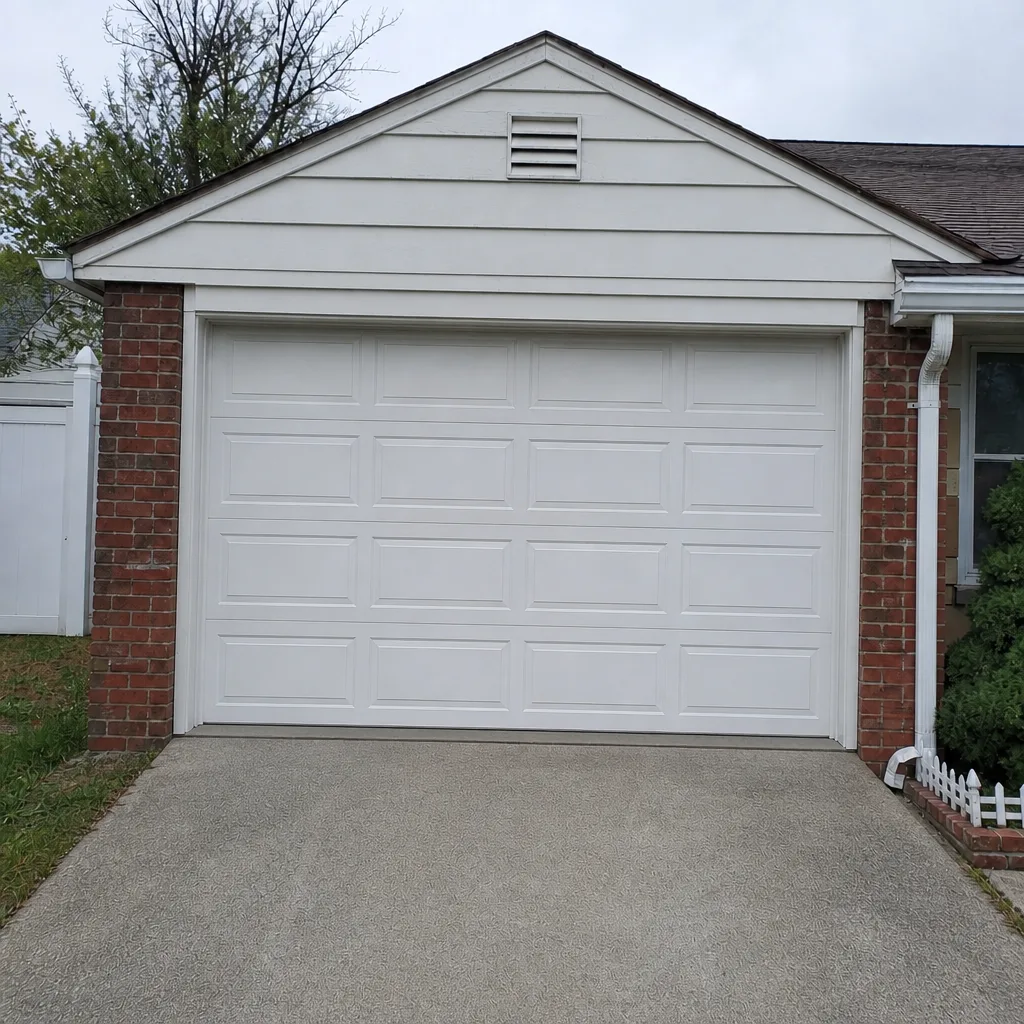
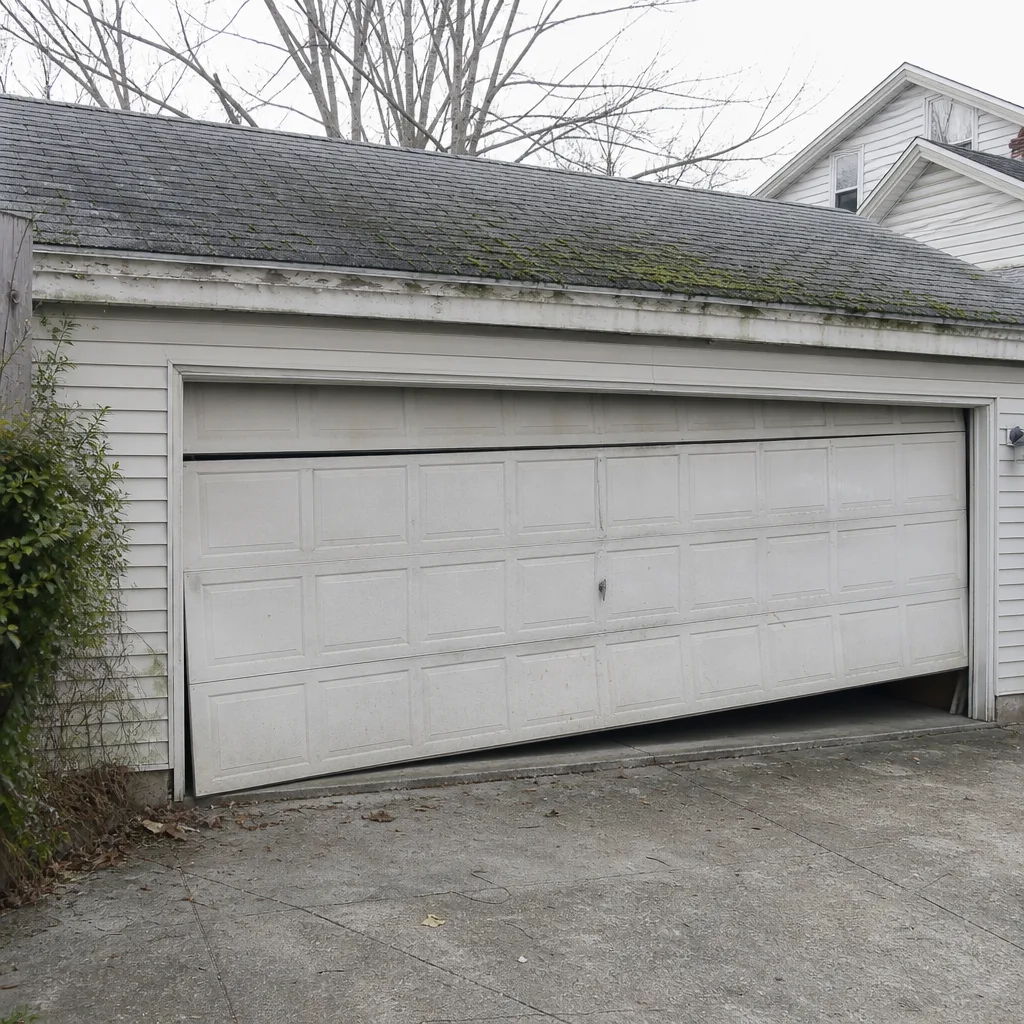
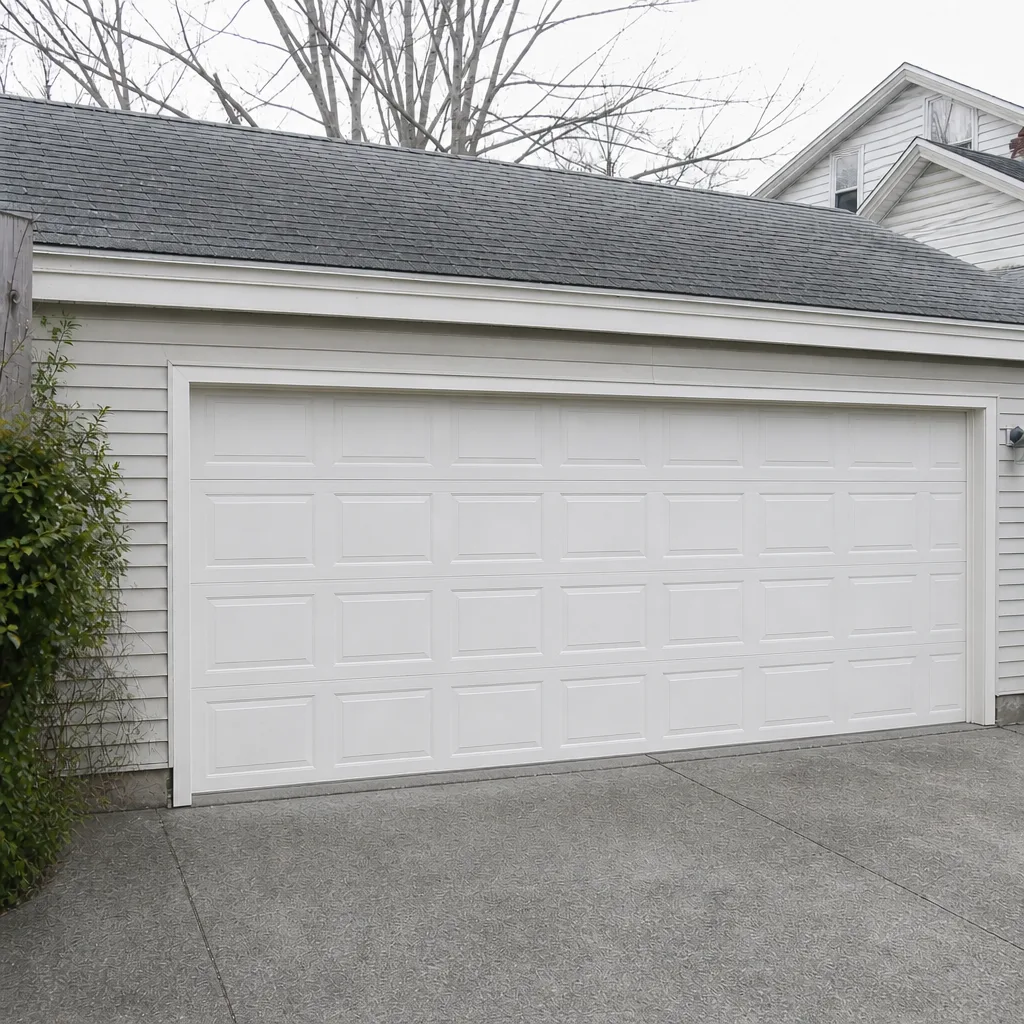
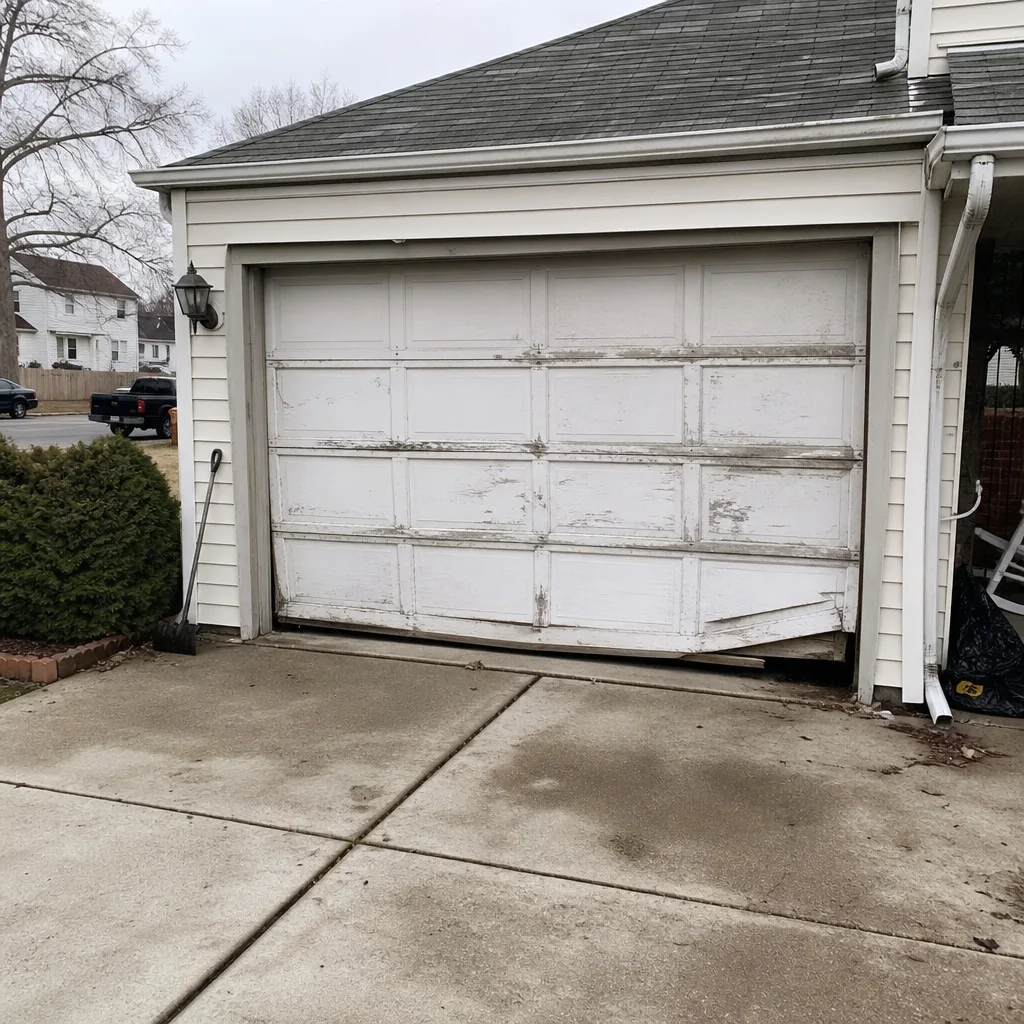
See the difference
 Before
 After
 Before
 After
 Before
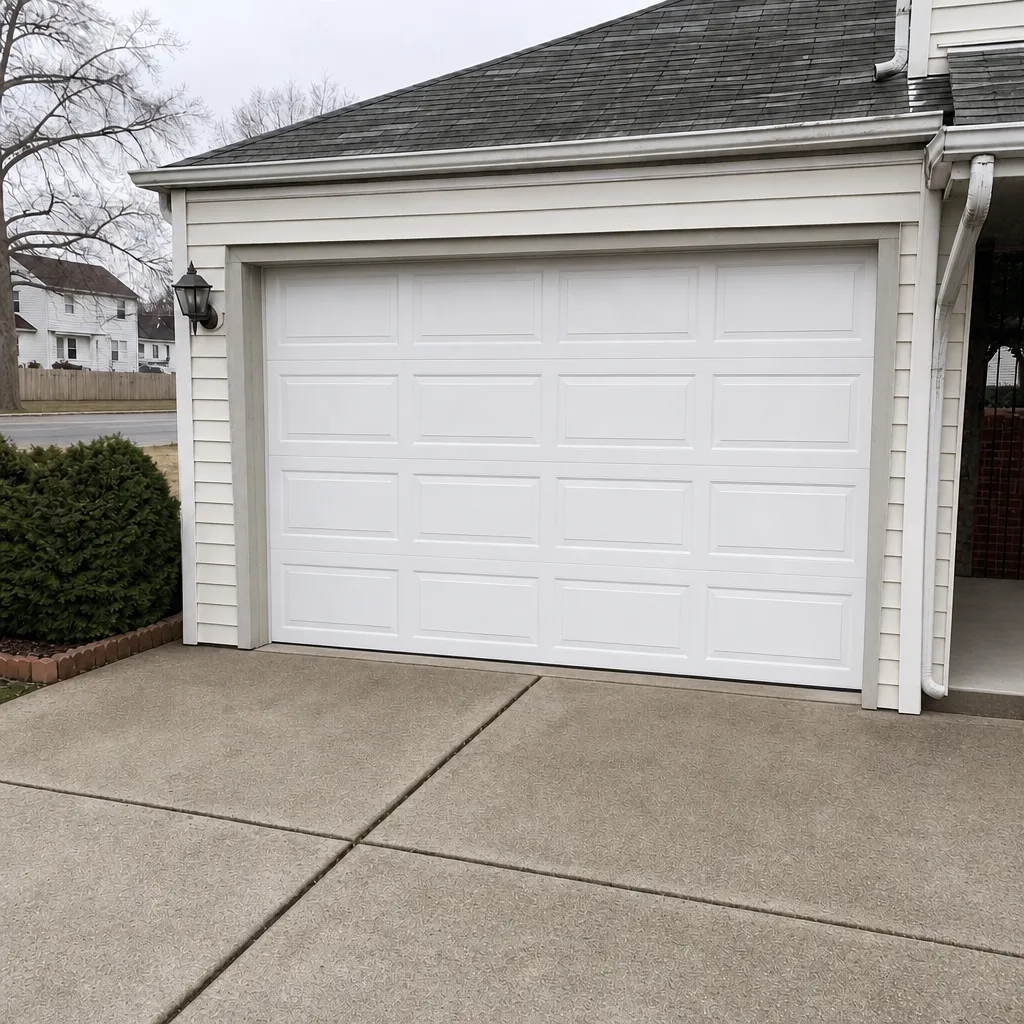 After
When to Call a Professional
Call a technician for any of the following, without waiting to schedule it into your next seasonal check: a spring that’s broken or visibly corroded, a door that’s off track or jammed, a cable that’s frayed or has jumped its groove, an opener that runs without moving the door, a door that feels suddenly heavy, or any issue that leaves your garage open or unsecured. Springs and cables are the highest-risk components in a garage door system, and no amount of careful homeowner attention makes it safe to adjust them yourself.
Long Branch Garage Door Repair Pros offers free estimates in Long Branch, and emergency service is a core part of what we do, not an after-hours upsell. When your door won’t move, we will. Every price we quote is agreed before any work starts, so you know the number going in. Call (855) 658-3081 and we’ll get you sorted. From a single stubborn roller to a full new door installation, our team handles Long Branch Garage Door Repair Pros work across the full range, and the same specialist team can move from opener diagnosis to spring replacement and on to a new door when the honest answer is replacement rather than repair.
Frequently Asked Questions
Every four to six months for a full inspection and lubrication, with a quick balance and safety reverse test monthly. The shorter interval reflects local humidity conditions, which are harder on springs, cables, and tracks than a drier climate. If a door lives in a shaded or runoff-prone spot on your property, lean toward the shorter end of that range.
Never touch the torsion springs or cables, and never adjust spring tension. These parts carry stored energy that can cause serious injury if released unexpectedly. Leave adjustment, replacement, and removal to a trained technician. Everything else – visual inspection, lubrication, tightening a bolt, replacing seals – is safe for a homeowner.
White lithium grease or a lithium-based lubricant with corrosion inhibitors on hinges, rollers, and spring coils, and a light grease film on the tracks. Skip silicone spray for moving parts because it dries tacky here and attracts grit. Use silicone spray only on seals and weather stripping, where you want a dry surface. Avoid WD-40 as a long-term lubricant.
Often, yes. Spring replacement and off-track recovery are repair calls we handle, and we prioritize doors that leave a home open or unsecured. Call (855) 658-3081 and we’ll tell you what we can do for your specific situation. The technician will confirm pricing before starting any work.
No. We quote before work starts and the quote is the price. If the technician finds something that changes the scope during the visit, they’ll explain it and get your agreement before proceeding. You won’t get an invoice that’s bigger than what you agreed to.
Yes, in almost all cases. We service LiftMaster, Chamberlain, Genie, Clopay, Amarr, Wayne Dalton, Craftsman, and Raynor equipment. The goal is to work on what you already own rather than pushing a brand swap. If you want to know about a specific model, give us a call and we’ll confirm.
The Bottom Line
Garage door maintenance in Long Branch isn’t the same job it is in a landlocked suburb, and the national checklist reflects that poorly. Inspect and lubricate every four to six months, not once a year. Use lithium-based lubricants with corrosion inhibitors rather than silicone spray, which attracts grit in this climate. Watch for early corrosion on springs and drums, and treat any visible pitting as a call to a technician. Do the safe checks yourself: balance, safety reverse, lubrication, visual inspection, seal replacement. Leave the springs, cables, and track geometry to a professional. Time the big checks to late September and early April, and you’ll catch most damage before it becomes a failure.
When something needs a trained eye, call (855) 658-3081 for a free estimate. Our technicians have up to 13 years of experience working on the brands you already own, and we’ll give you an honest read on repair versus replacement without pushing the higher-ticket option.
Written by the team at Long Branch Garage Door Repair Pros.