Last updated November 23, 2026
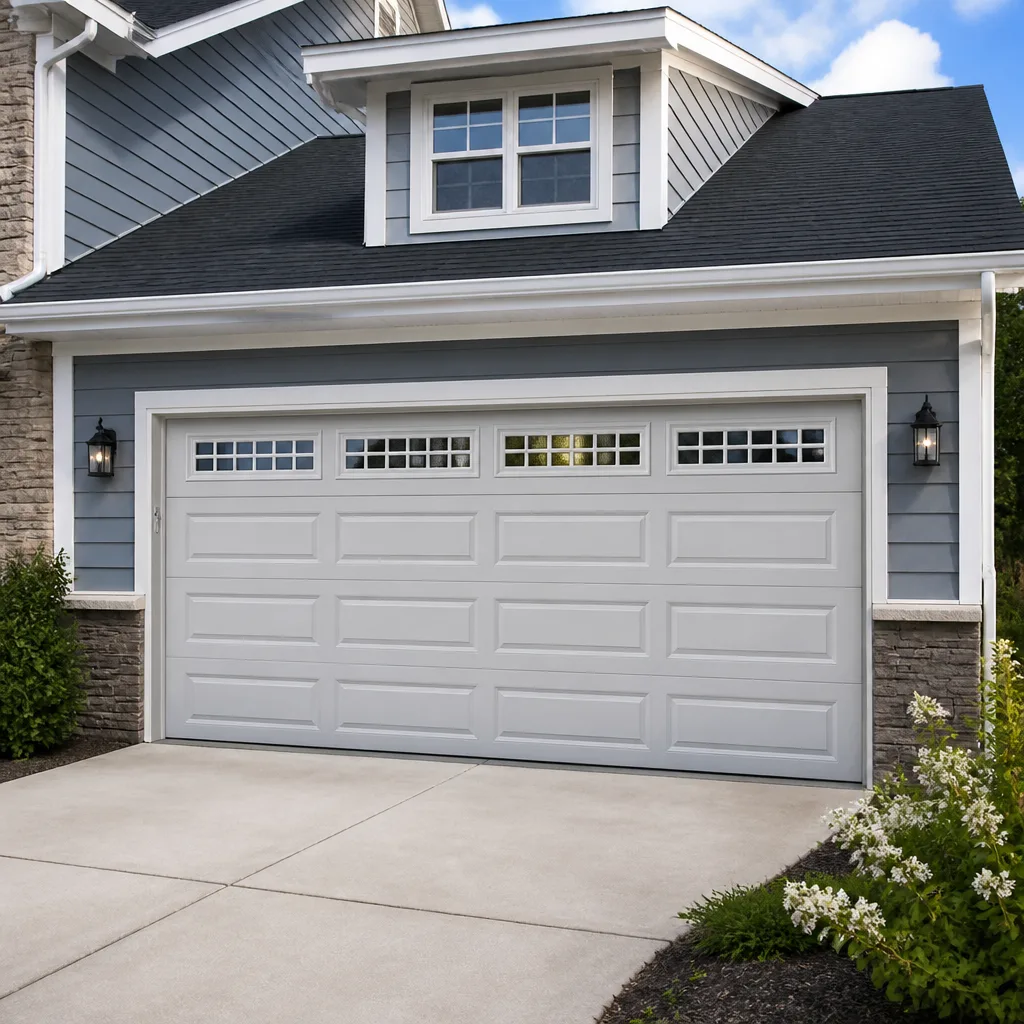 Raised-panel steel
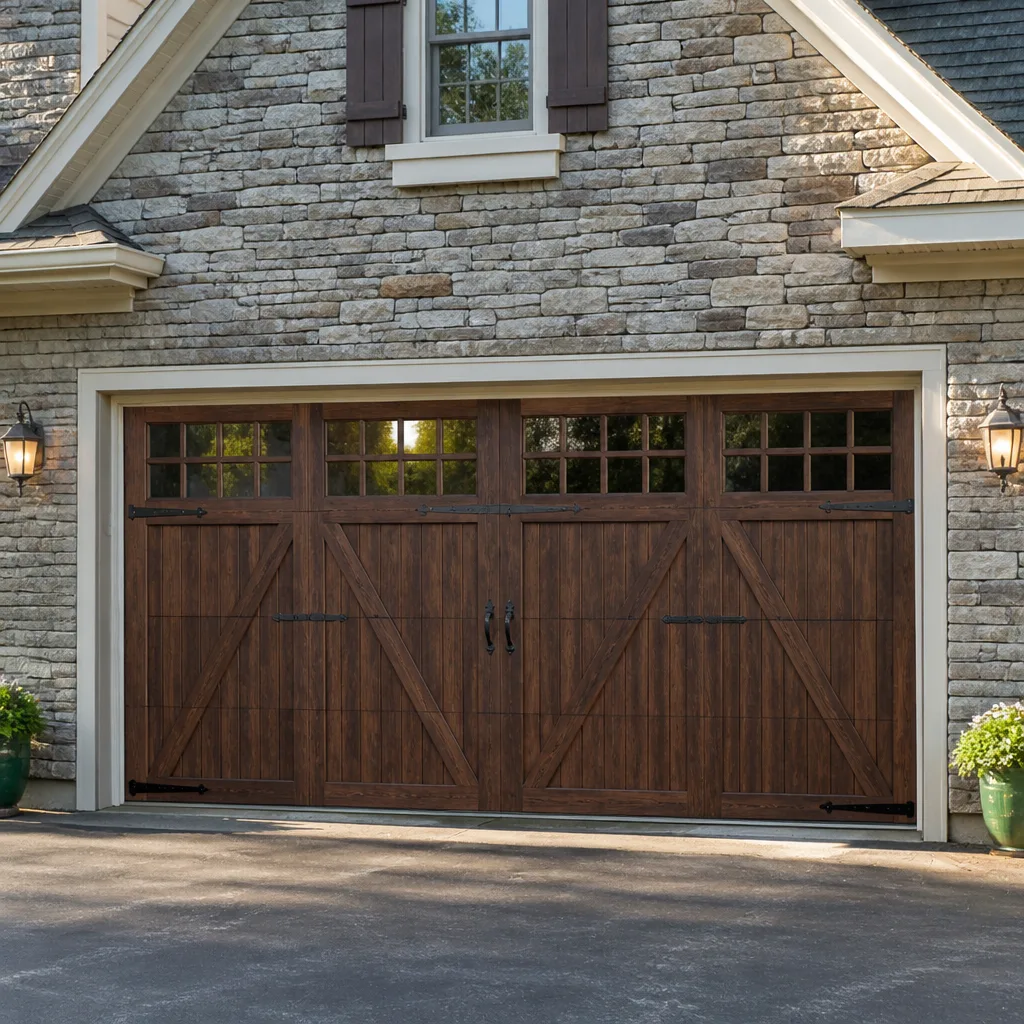 Carriage house
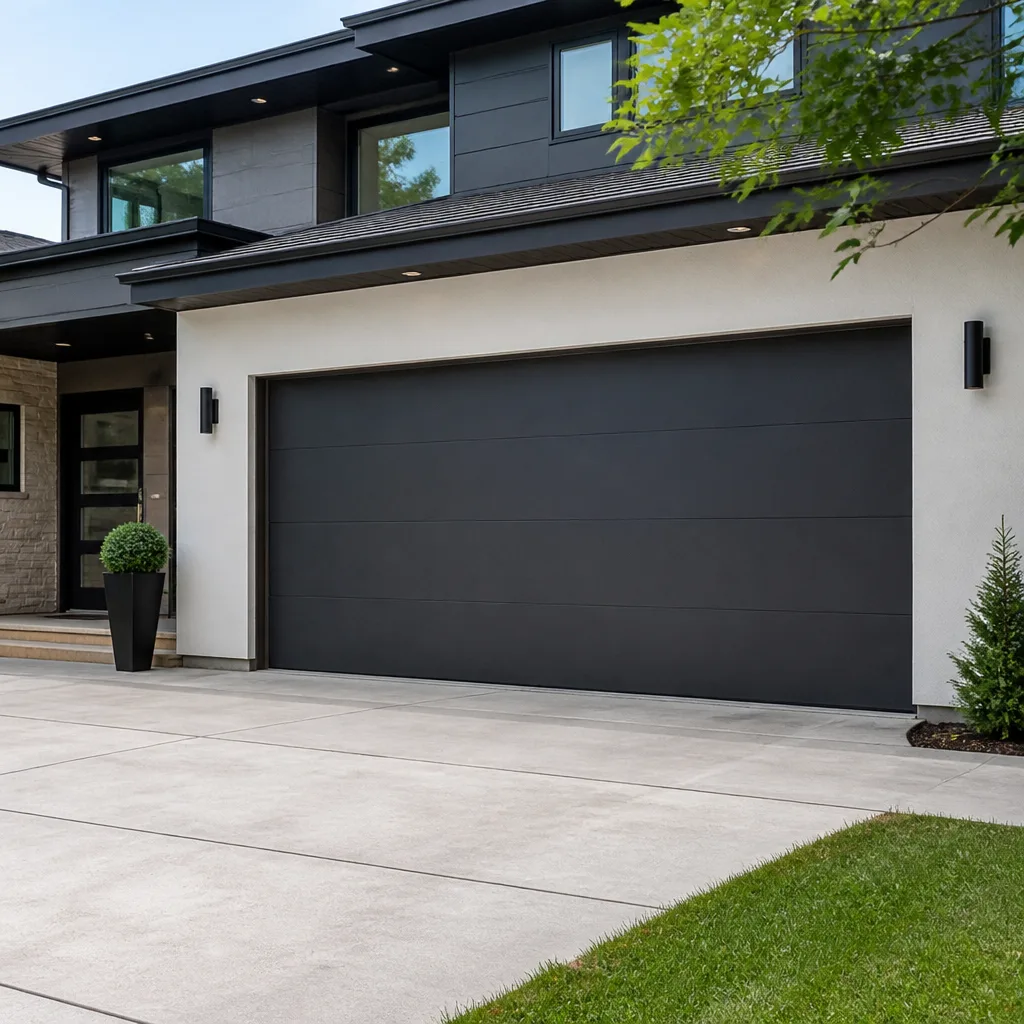 Modern flush
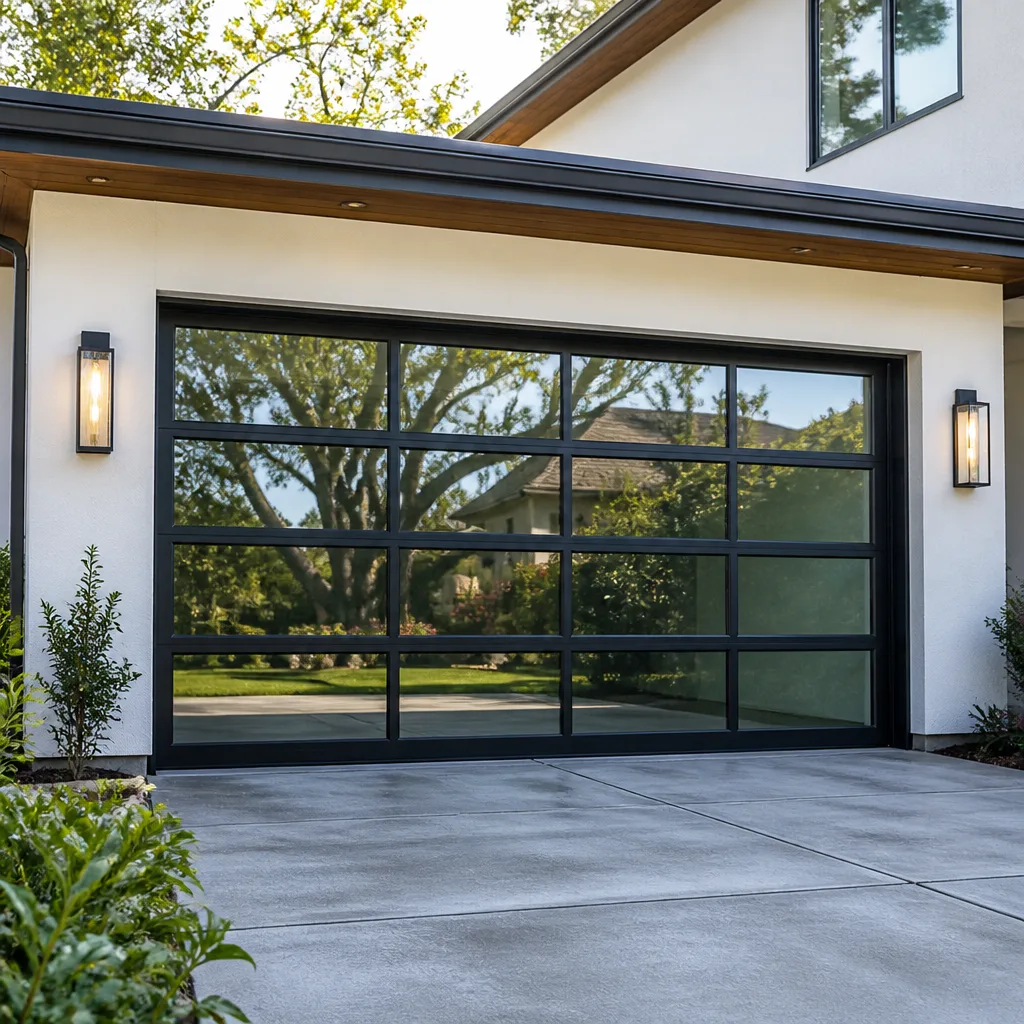 Full-view glass
 LiftMaster openers
 Chamberlain openers
Full 25-point door and opener safety check with every visit - springs, cables, rollers, tracks, and your LiftMaster or Chamberlain opener included
You get a price before we start. It does not change when the pro arrives.
Get your free estimateGarage Door Warning Signs: A Long Branch Homeowner’s Reference Guide
A garage door that hesitates for two seconds before it moves is not a quirk. It’s a system telling you something specific, and what you do in the next few days often decides whether you’re looking at a minor repair or a full emergency call. Most garage door failures don’t arrive without warning. They arrive after weeks of small signals that nobody recognized. That’s the gap this guide closes. Below, we walk through every major symptom a garage door can produce, what each one points to mechanically, and how to sort the ones you can schedule from the ones that mean stop using the door today. Long Branch homeowners deal with humidity, temperature swings, and older housing stock, and all three show up in how doors fail here.
Quick Answer
The most important garage door warning signs are unusual noise (grinding, popping, squealing, banging), uneven or jerky movement, a door that reverses before closing, visible cable fraying, and any gap or sag in the torsion spring above the door. Noises and slow response usually allow scheduled service. A snapped spring, a frayed cable, a door off its tracks, or a door that won’t stay up means stop using it and call a professional. Recognizing which category a symptom falls into is what separates a routine repair from an emergency.
Styles & brands we work with
- Raised-panel steel
- Carriage house
- Modern flush
- Full-view glass
- LiftMaster openers
- Chamberlain openers
Table of Contents
- What Do Garage Door Noises Actually Mean?
- Visual Warning Signs: Rust, Cables, and Springs
- Operational Warning Signs Homeowners Dismiss
- The Torsion Spring Signs That Are Genuinely Dangerous
- Triage: Scheduled Service vs. Stop Using the Door Now
- Opener Warning Signs vs. Door Warning Signs
- How Long Branch Weather Affects Garage Door Wear
- Common Mistakes to Avoid
What Do Garage Door Noises Actually Mean?
Every garage door noise has a mechanical cause, and the sound tells you which component is complaining. Grinding usually means metal-on-metal contact, most often dry or worn rollers, a bent track section, or a torsion tube that has lost lubrication where it meets its bearings. Squealing points to friction between moving parts, and it’s frequently the rollers or hinges rather than anything structural. Popping is the one to take seriously: a sharp pop from above the door often means a torsion spring is winding down or a cable has slipped off its drum. Banging during operation usually signals loose hardware, a worn hinge, or a door panel that’s flexing because a hinge has pulled free. None of these sounds are cosmetic. A door that squeals today may grind within a month, and grinding accelerates wear on every component it touches.
Noise Diagnosis at a Glance
- Grinding: worn rollers, dry bearings, bent track, metal-on-metal contact.
- Squealing: friction at rollers or hinges, usually fixed with lubrication or replacement.
- Popping: spring winding down, cable off the drum, or a torsion issue – treat as urgent.
- Banging: loose hinges, panel flex, or a door running out of balance.
- Rattling: loose bolts, worn rollers, or a track that’s working itself out of alignment.
One thing worth knowing about Long Branch homes specifically: doors on older properties around the Broadway corridor and the West End often run on original hardware that’s been through seasonal humidity swings for a long time. Lubrication schedules that seem excessive in dry climates are actually reasonable here. If you can’t remember the last time the rollers and hinges were lubricated, that alone is worth addressing before any noise becomes a failure. When a noise traces back to the opener motor or chain rather than the door itself, garage door opener repair is the right service call, and it’s a different diagnosis from a door problem.
Visual Warning Signs: Rust, Cables, and Springs
Visual inspection catches the failures that noise hasn’t announced yet, and it’s the part of a garage door check most homeowners skip. The trick is knowing which visual signs are cosmetic and which are mechanical. Rust is the clearest example. A light dusting of orange on the paint of a steel door is surface oxidation and mostly a cosmetic issue. Rust that’s concentrated at seams, hinges, and the bottom edge – where moisture collects and stays – points to something deeper, and pitting under the paint along the bottom panel often means the door’s structural edge is weakening. On Clopay and Amarr steel doors common in Long Branch, this is worth checking twice a year.
What to Look At, In Order
- Springs above the door: look for a visible gap, sag, or a spring that looks stretched compared to its neighbor.
- Cables on both sides: check for fraying, kinks, or a cable that’s jumped its drum. Fraying moves in stages – a few loose strands, then a broom-like spread, then a snap.
- Rollers: flat spots, cracks, or rollers that don’t spin freely.
- Hinges: rust at the pivot points, loose screws, or hinges that have pulled away from the panel.
- Bottom seal: cracking, gaps, or a seal that’s torn away from the door.
- Tracks: dents, bends, or a track that’s no longer plumb.
Cables deserve their own mention because they fail progressively. A healthy cable is smooth and evenly wound. A cable in early failure has one or two broken strands you can feel if you run a gloved hand along it. A cable in late failure has a visible frayed “broom” at one end, and at that point the door is one cycle away from a snap. If you find a frayed cable, that’s a stop-using-the-door situation, not a schedule-it-for-later situation. We work on the brands Long Branch homeowners actually own – LiftMaster, Chamberlain, Genie, Clopay, Amarr, Wayne Dalton, Craftsman, and Raynor – so the diagnosis matches the door in front of us.
Operational Warning Signs Homeowners Dismiss
The operational signs are the ones people notice and then explain away. The door hesitates before it moves. It runs a little uneven, one side slightly behind the other. It reverses unexpectedly when closing, sometimes more than once, before it finally latches. It’s slower than it used to be. Each of these has a specific cause, and each is a stage in a progression rather than a random glitch.
Hesitation and Slow Response
A door that pauses before moving is usually fighting resistance. That resistance can come from a torsion spring that’s lost tension, a track that’s out of alignment, or rollers that have seized. When the opener has to work harder than it should, it wears faster, and the door drifts further out of balance. In our experience, hesitation is the single most common early sign of a spring approaching the end of its service life, and it’s the easiest one to catch early.
Uneven Movement
If one side of the door lags the other, the door is out of balance or one of the two torsion springs has failed while the other still has tension. A balanced door should lift easily by hand to about waist height and stay there. If yours won’t, or it drops when you let go, the balance is off. Never test this on a door with a visibly broken spring – that’s a safety call.
Unexpected Reversal
A door that reverses before it fully closes is usually tripping its safety sensor or its force limit. Sensors can be knocked out of alignment by a stray object or a bumped bracket; the force limit is set by the opener and can trigger when the door meets resistance that wasn’t there before. This one deserves attention because the door may close fully once, then fail again – and a door that reverses unpredictably is an access risk, not just an inconvenience.
If the problem traces back to the opener’s logic board, travel limits, or safety sensors, see garage door opener repair. In Long Branch, we diagnose these on the dispatch rather than guessing over the phone, because the symptom doesn’t always name the component.
The Torsion Spring Signs That Are Genuinely Dangerous
Torsion springs are the most dangerous component on a residential garage door, and unlike every other warning sign in this guide, they carry real injury risk. That’s the reason they get their own section. A torsion spring holds the full weight of the door under tension, and when it fails, it releases that stored energy all at once. A spring with a visible gap, a sag, or a stretched profile has failed or is about to. A loud bang from the garage followed by a door that suddenly won’t lift is the classic signature.
Signs That Mean Stop Using the Door
- A visible gap in a torsion spring (the spring has broken).
- A door that will not stay up when you lift it by hand.
- A loud bang from the garage followed by a door that won’t lift.
- A door hanging significantly lower on one side than the other.
- A torsion tube that has visibly shifted on its bearings.
None of those signs are a DIY situation. The correct move is to stop operating the door and get a trained technician out. Our spring repair service covers exactly this – high-tension work that many general handyman services turn away, and for good reason. The tools and training required aren’t optional. When you book garage door spring repair, the technician arrives knowing the door’s model and the correct spring for it, which matters more than it sounds because matched pairs must be replaced together.
Triage: Scheduled Service vs. Stop Using the Door Now
The triage question is simple: can the door be operated safely while you wait for a scheduled visit, or not? Answer that honestly and you’ll know whether to book a routine appointment or call for emergency service today. The list below sorts the warning signs into those two categories.
Book a Scheduled Visit
- Intermittent squealing or grinding without a change in how the door moves.
- A door that hesitates but still opens and closes reliably.
- Surface rust on paint, but not at seams or hinges.
- One roller or hinge showing wear while the door still runs smoothly.
- An opener that works but is louder than it used to be.
Stop Using the Door and Call Now
- Any visible gap in a torsion spring, or a spring that looks stretched and sagging.
- A door that won’t stay up when lifted by hand.
- A frayed or “broomed” cable.
- A door that has come off its tracks or is hanging off the rollers on one side.
- Any situation where the door is stuck open (a security risk) or stuck shut (no access).
Emergency garage door service is a core part of what we do, not an upsell. When your door won’t move, we will – and that includes the situations where waiting for a normal business visit isn’t realistic. If you’re unsure which column your door belongs in, a phone call resolves it. Better to ask than to operate a door that’s telling you to stop. For general repair work that falls into the “scheduled” column, garage door repair covers the full range from a single hinge swap to a full torsion system replacement.
Opener Warning Signs vs. Door Warning Signs
Homeowners routinely blame the opener for a problem that lives in the door, and sometimes blame the door for a problem in the opener. Separating the two is the most useful diagnostic skill covered in this guide, so it gets its own section. The questions below, taken in order, narrow it down.
- Does the opener run but the door doesn’t move? That points to the door (a broken spring, a snapped cable, or the door disconnected from the carriage).
- Does the door move but the opener seems weak or cuts out partway? That points to the opener (a failing capacitor, worn gears, or a motor under too much load).
- Does the door reverse before closing? Check the safety sensors first, then the travel limits, then the force setting.
- Does the remote work intermittently? That’s almost always the opener – a battery, a remote pairing, or a logic board issue.
- Does the door move unevenly or stick on one side? That’s the door, not the opener.
We service openers from LiftMaster, Chamberlain, Genie, and Craftsman across Long Branch, and the brand matters less than the diagnostic order above. A door that hesitates because a spring is failing does not need a new opener. Getting that call right saves the homeowner from replacing a working motor. If the diagnosis lands on the opener, the repair is usually straightforward and doesn’t require a full system swap.
How Long Branch Weather Affects Garage Door Wear
Long Branch’s weather pattern – humid summers, freezing winters, and repeated freeze-thaw cycles – puts specific stress on garage door components. The same door that would last years in a stable climate will need more attention here, and knowing which components wear faster in this region helps you check the right things at the right time.
What the Climate Does to the Door
- Humidity: accelerates rust at seams and hinges; the bottom panel and the hinges are the first places to check.
- Freeze-thaw cycles: expand and contract the door’s panels and metal components, loosening bolts and stressing the bottom seal.
- Salt on winter roads: tracked into the garage on vehicles, it corrodes metal parts low on the door – the bottom bracket, the bottom roller, and the threshold seal.
- Summer heat: causes seals and weatherstripping to dry and crack faster than cool climates would.
For Long Branch homeowners, our rule of thumb is a visual check each fall before the first freeze and each spring before the summer humidity arrives. Two short inspections a year catch the vast majority of the wear-related failures this climate produces, and they’re easy to do without tools. If you’d rather have a technician walk the door with you, that’s a normal service call, not an emergency. Wayne Dalton and Clopay doors with steel panels are especially sensitive to seam rust here, so check along every hinge line rather than just the large flat surfaces.
Common Mistakes to Avoid
- Assuming a noisy door is just loud. A door that has always been loud and is now louder is a changing system, not a fixed quirk. Compare the noise to what it sounded like six months ago rather than judging it in isolation.
- Testing balance on a door with a broken spring. If you can see a gap in a torsion spring, do not lift the door by hand. The stored energy in a paired spring can still cause injury even when one spring has failed.
- Treating a frayed cable as cosmetic. Cable fraying goes from a few strands to a snap in a matter of cycles. In a Long Branch garage where humidity accelerates corrosion, that progression can happen faster than expected.
- Replacing the opener when the door is the problem. A hesitation, an uneven movement, or a reversal that traces to spring tension or a track issue will not be fixed by a new motor. Diagnose the door first.
- Applying hardware-store lubricant to everything. Not every component takes the same treatment, and a torsion spring should be left to a technician. Lubricating the wrong parts can mask a symptom you need to hear.
- Skipping the two seasonal checks. Long Branch’s freeze-thaw cycle is exactly what loosens bolts and stresses seals. A ten-minute fall and spring check catches most of what this climate breaks.
- Putting off a scheduled repair because the door still works. The door that hesitates now is the door that snaps a spring later. Scheduled service is cheaper than emergency service, and far less disruptive.
See the difference
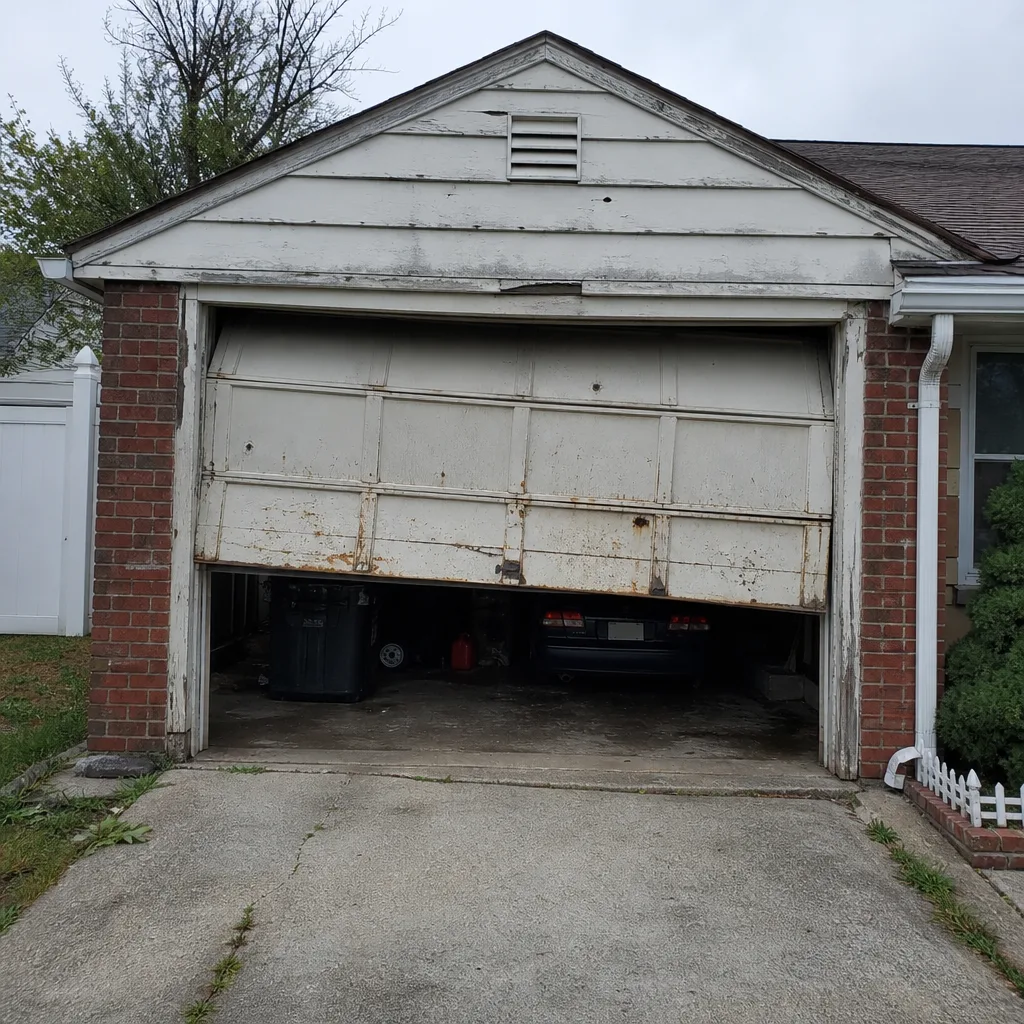 Before
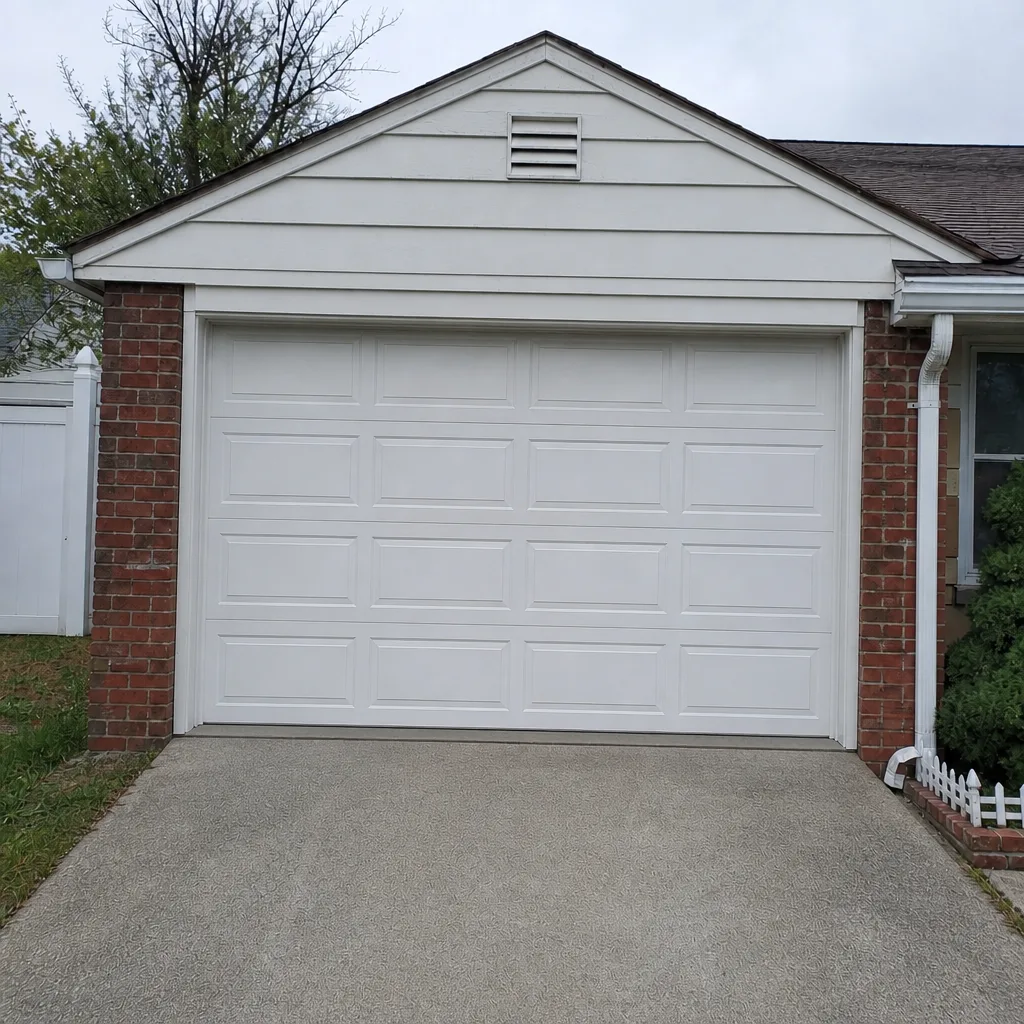 After
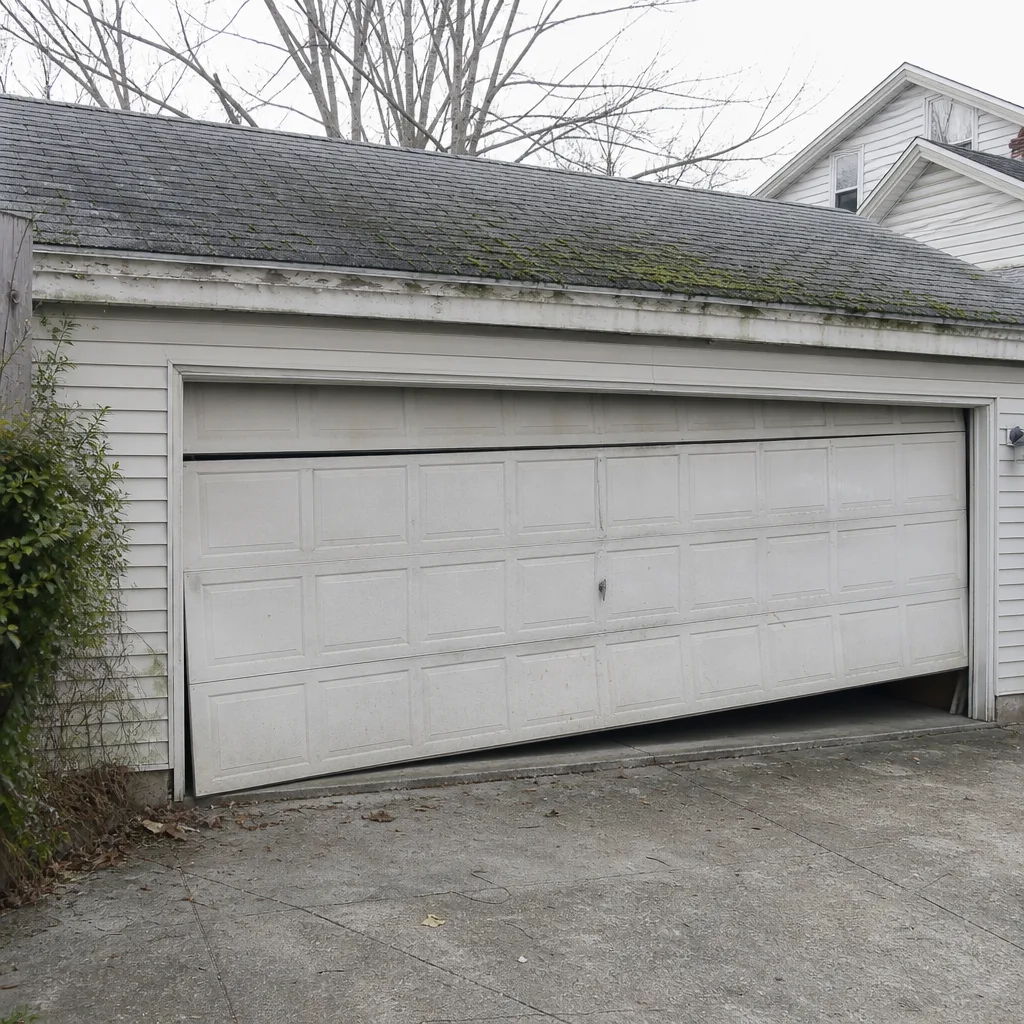 Before
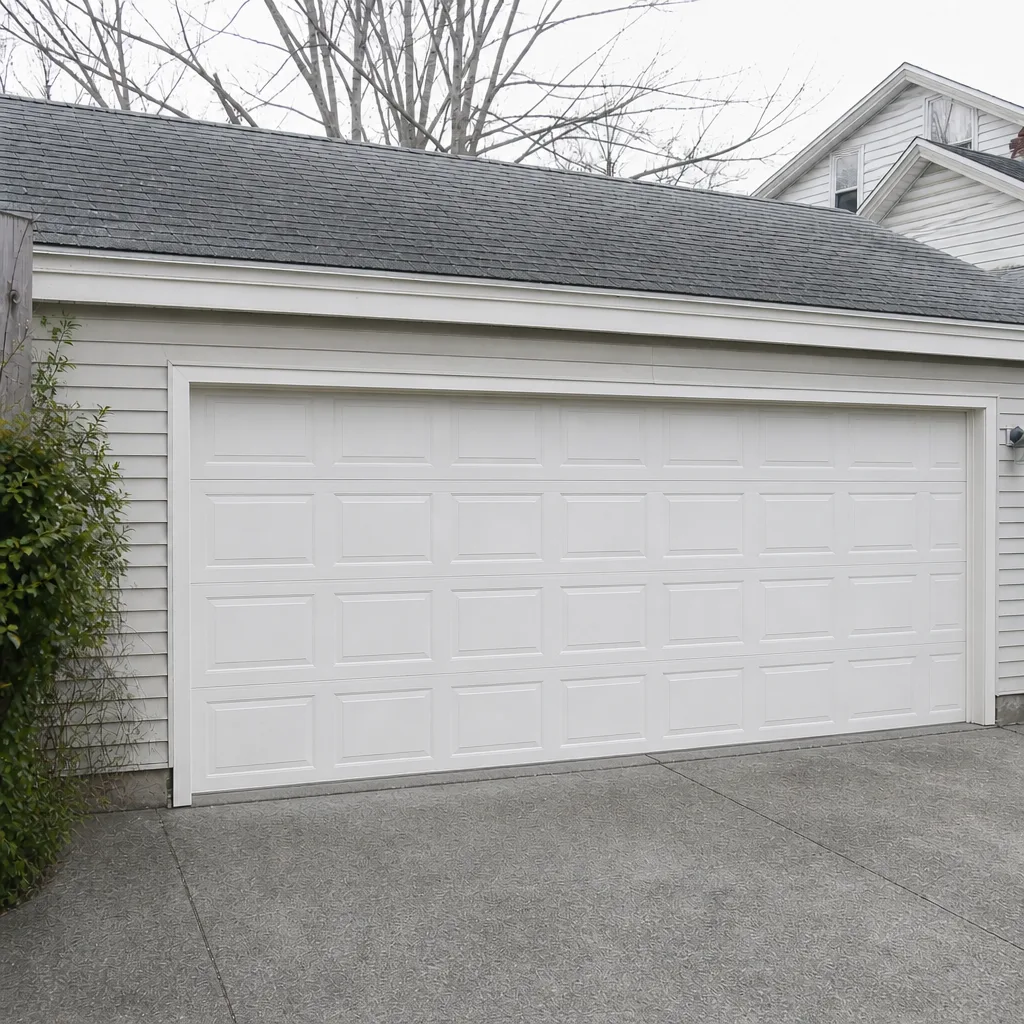 After
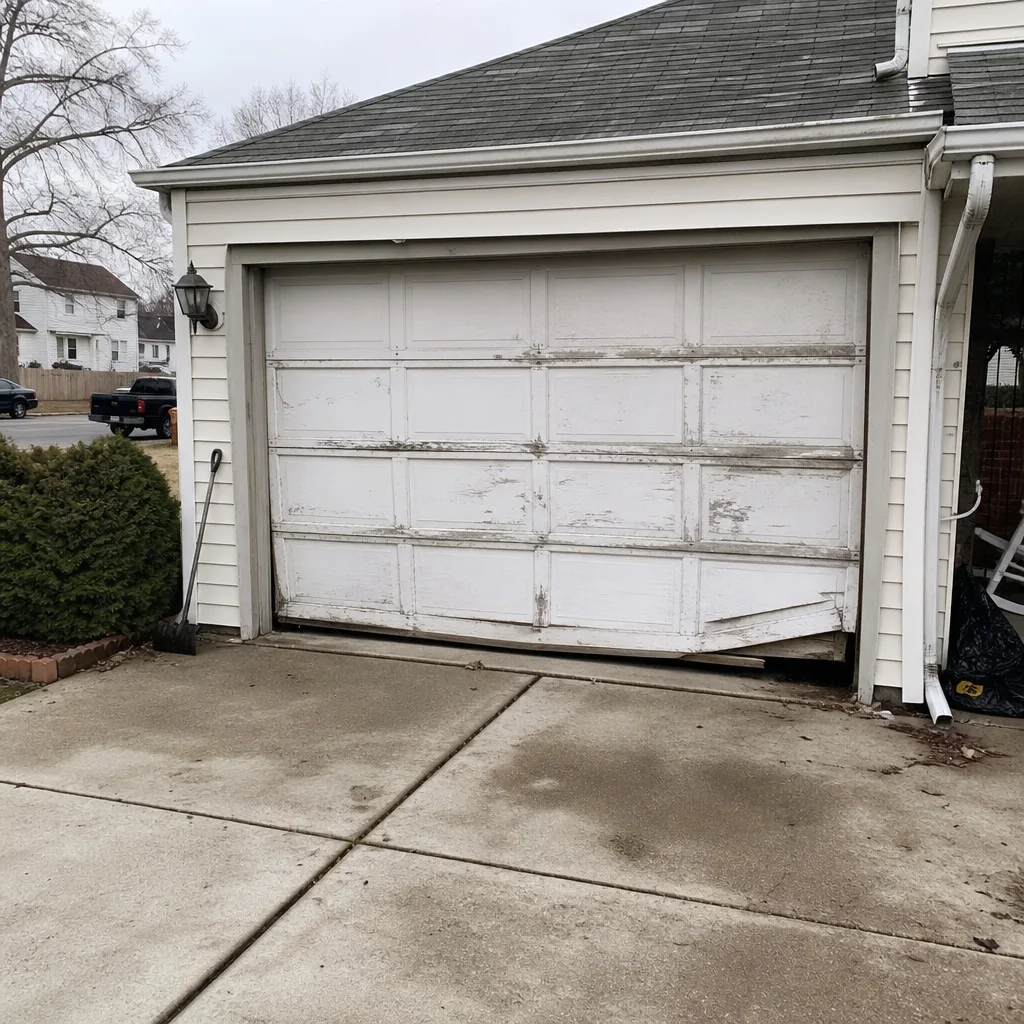 Before
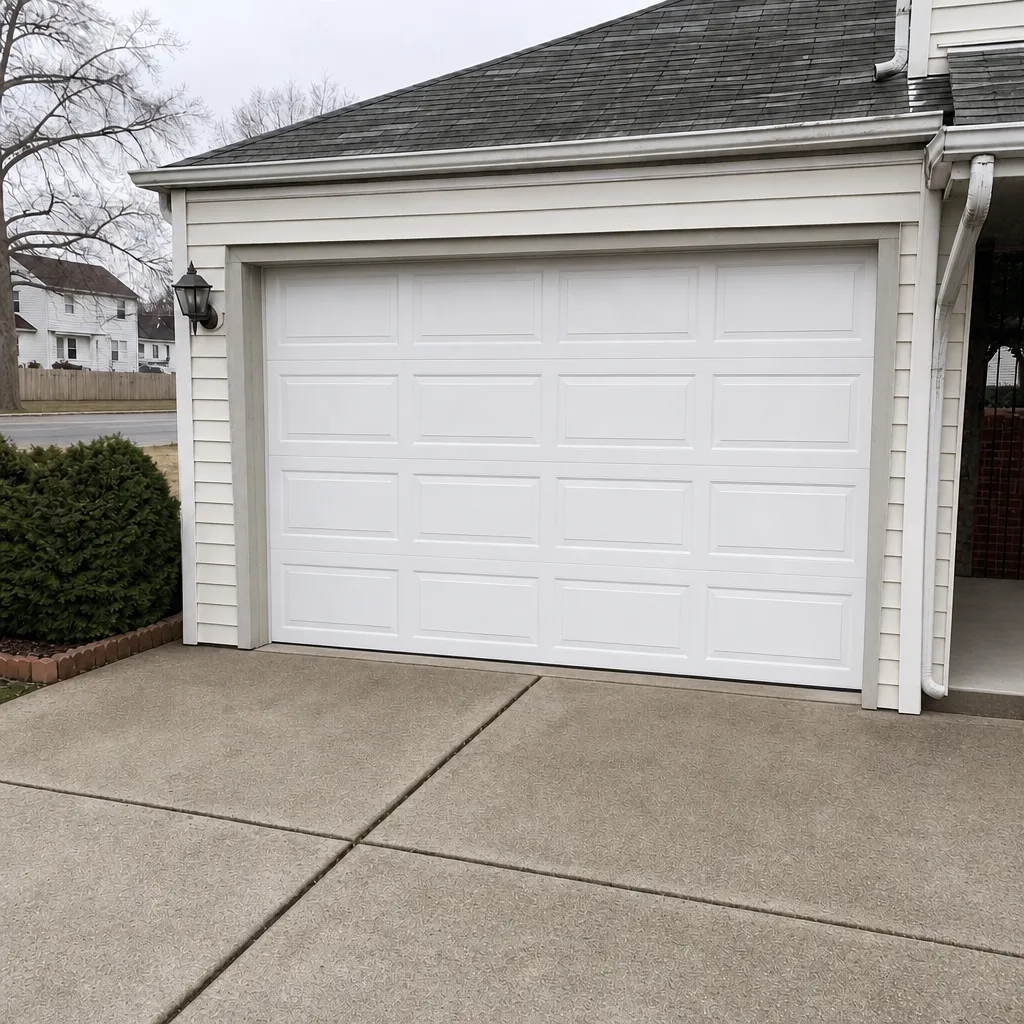 After
When to Call a Professional
Call a professional any time a symptom involves the torsion spring, the cables, the tracks, or the door coming off its rollers – those are the cases where operating the door carries real risk and where the fix requires the right tools and training. Also call when a noise or hesitation has persisted for more than a couple of weeks, when the door reverses unpredictably, or when the opener is running but the door isn’t moving. Long Branch Garage Door Repair Pros offers free estimates in Long Branch – call (855) 658-3081. We service the brands you already own, and our technicians have up to 13 years of experience diagnosing exactly these symptoms. If the door is stuck open, stuck shut, or a security risk, tell us on the call so we can prioritize the visit.
Frequently Asked Questions
The most common warning signs in Long Branch are unusual noise, slow or hesitant movement, uneven operation on one side, visible rust at seams and hinges, and a door that reverses before closing. These appear in every climate, but Long Branch’s humidity and freeze-thaw cycles make rust and loosened hardware especially common here. If you notice any of them, the next step is a visual check of the springs, cables, and tracks.
A popping or banging noise is serious, while intermittent squealing or rattling is usually a scheduled-repair issue. Popping from above the door often means a torsion spring is releasing tension or a cable has slipped its drum, and that’s a stop-using-the-door situation. Squealing at the rollers or hinges is friction and can typically be repaired without urgency. Call (855) 658-3081 for an exact quote – estimates are free.
No. A torsion spring holds the full weight of the door under tension, and releasing that tension safely requires specific tools and training. This isn’t a DIY fix, and the risk of serious injury is real. A trained technician handles torsion springs as a routine job, and our spring repair service covers exactly this component. If you see a broken spring, stop operating the door and call (855) 658-3081.
No. The written estimate sets the price, and any change to the scope is discussed and agreed before work starts. A technician who diagnoses something different from the initial description will explain it first and get your approval before proceeding. That’s the reason we quote in writing rather than giving verbal ballpark prices. Call (855) 658-3081 for an exact quote – estimates are free.
The local professionals we connect you with are licensed and insured as their state requires. We work with trained garage door technicians who handle the full range of repair, opener, and installation work on the brands you already own. If you have a question about credentials for a specific job type, ask on the call and we’ll confirm before you book. Call (855) 658-3081 for details.
Long Branch’s humid summers and freezing winters accelerate wear on rust-prone components like hinges, bottom brackets, and cables. The freeze-thaw cycle also loosens bolts and stresses door seals more than a stable climate would. That’s why we recommend a visual check of the door each fall and each spring – two short inspections catch the vast majority of climate-related wear before it becomes a failure. For a technician walk-through, Long Branch Garage Door Repair Pros can schedule a visit.
The Bottom Line
Most garage door failures leave weeks of warning before they arrive. A hesitant door, a new noise, a rust line at a hinge, or a door that reverses unpredictably is the door telling you something specific. Sorting a symptom into “scheduled service” or “stop using the door” is the single most useful skill in this guide, and it’s the difference between a routine repair and an emergency call. Check your door each fall and each spring, look at the spring, cables, rollers, and hinges, and act on anything that’s changed. When a symptom points to the spring, the cables, or the tracks, call a professional rather than operating the door to see if it clears up.
When your door won’t move, we will. Long Branch Garage Door Repair Pros works on the brands you already own – LiftMaster, Chamberlain, Genie, Clopay, Amarr, Wayne Dalton, Craftsman, and Raynor – and covers the full spectrum from a single spring repair to a new door installation. From opener glitch to full installation, we stay on one trade: garage doors only. Call (855) 658-3081 for a free estimate and a straight answer on what your door actually needs.
Written by the team at Long Branch Garage Door Repair Pros.