Last updated November 23, 2026
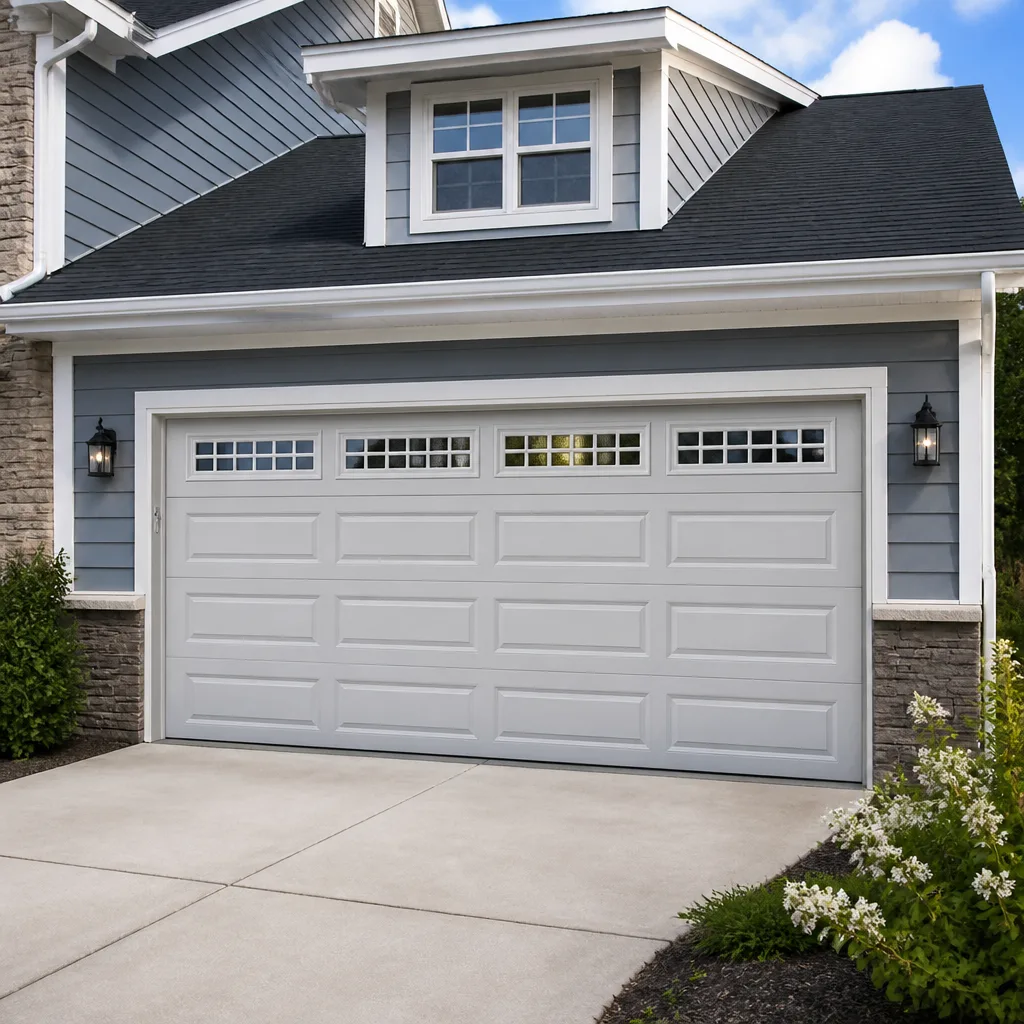 Raised-panel steel
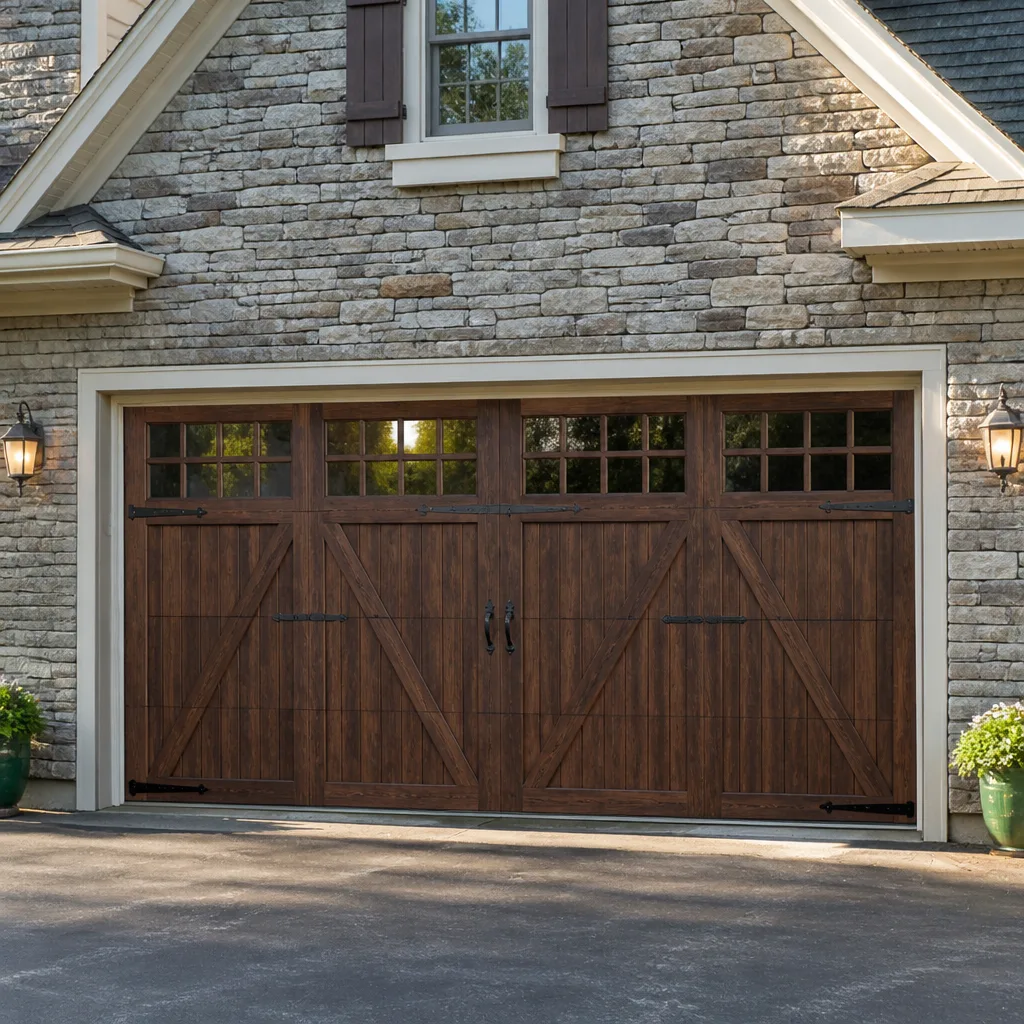 Carriage house
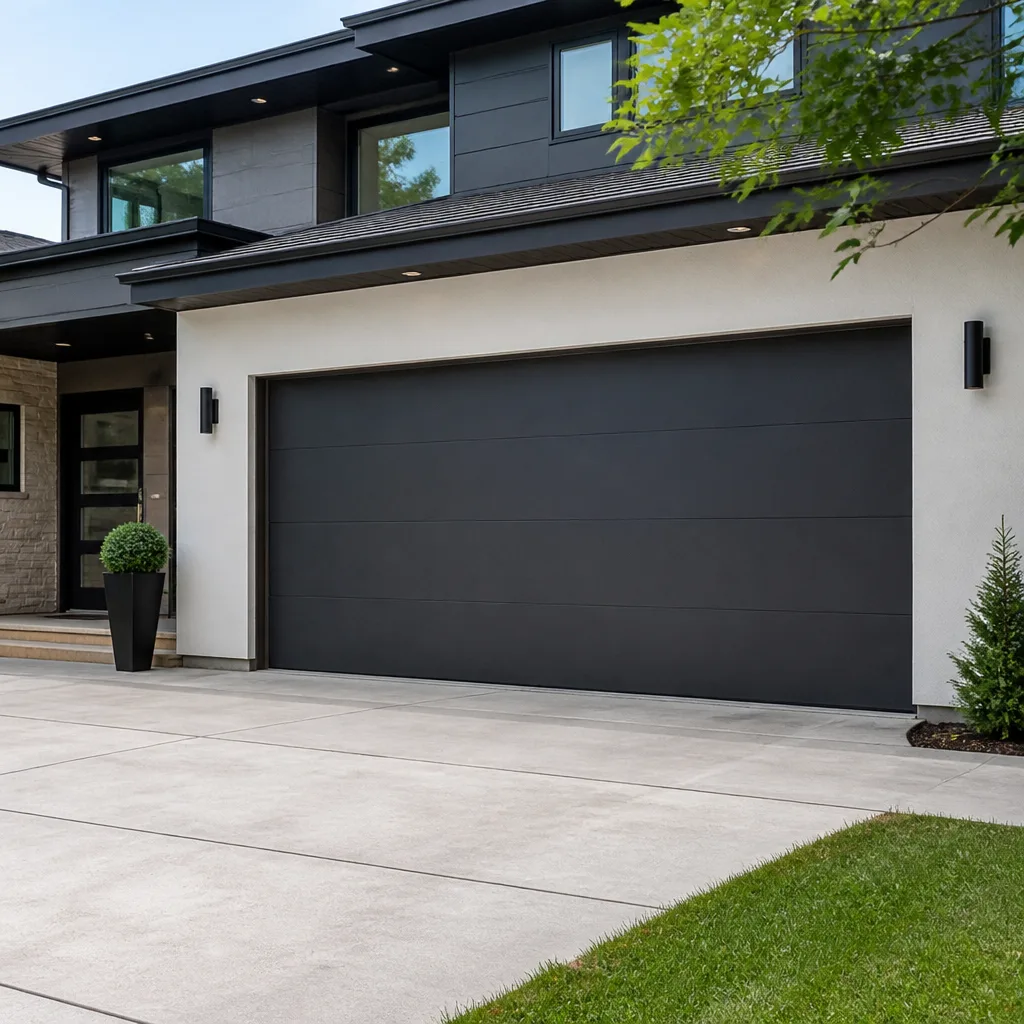 Modern flush
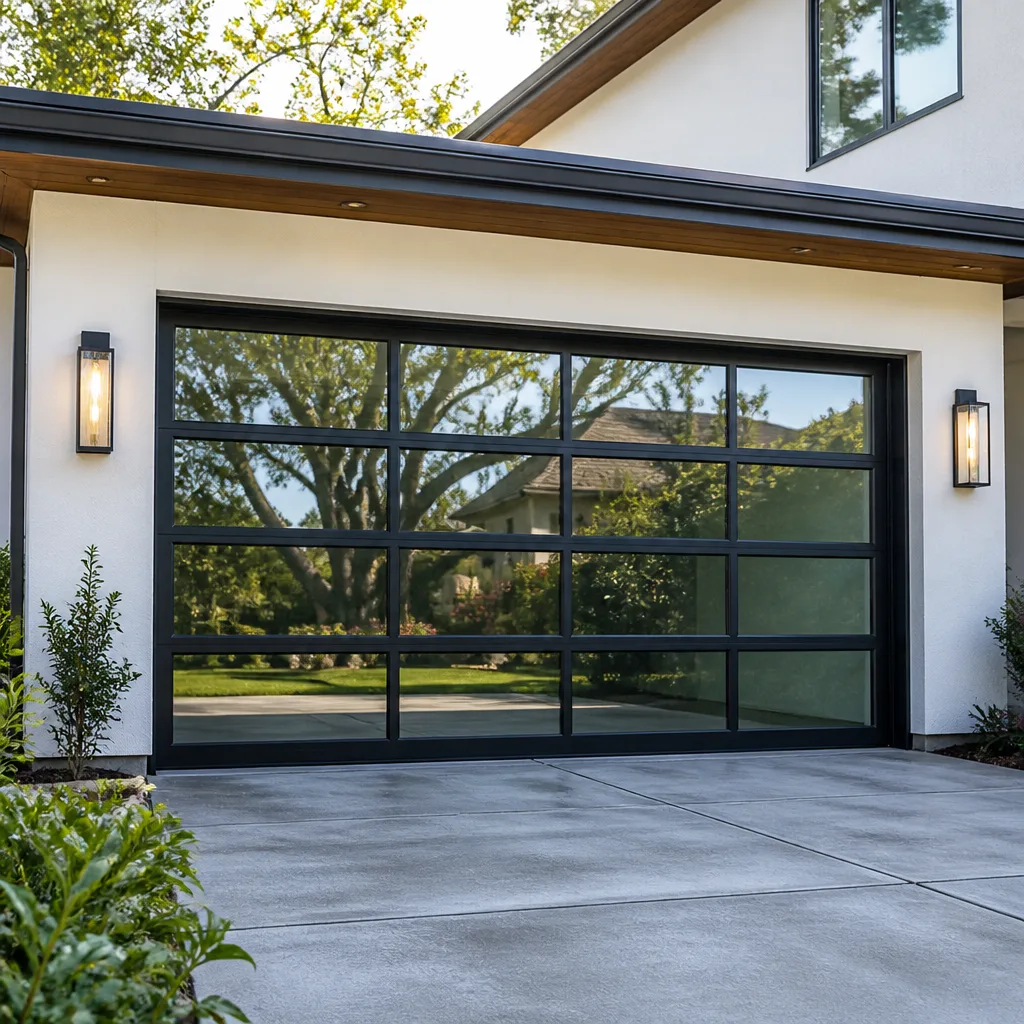 Full-view glass
 LiftMaster openers
 Chamberlain openers
Full 25-point door and opener safety check with every visit - springs, cables, rollers, tracks, and your LiftMaster or Chamberlain opener included
You get a price before we start. It does not change when the pro arrives.
Get your free estimateGarage Door Cost Breakdown: The Long Branch Homeowner’s Reference for 2026
The $700 garage door installation you see advertised online almost never lands at $700 for a home a few blocks from the water. That headline number typically assumes builder-grade hardware, and builder-grade hardware is the wrong choice in a town where the air carries moisture and salt most of the year. Replace that hardware in a couple of years and the “cheap” door stops being cheap. This guide lays out what garage door work really runs in Long Branch in 2026, which line items are legitimate, and how to decide between repair and replacement without guessing. You’ll get real ranges, not teaser pricing.
Quick Answer
In Long Branch, a single-car garage door replacement typically runs $1,150 to $2,400 installed, a double-car door replacement runs $1,900 to $3,800, a new opener installed runs $450 to $950, and a single torsion spring replacement runs $180 to $340 (a matched pair costs about twice that). Coastal-grade or galvanized hardware adds roughly 10% to 25% to the door and hardware line, and the written estimate you receive before any work begins is the price you pay.
Styles & brands we work with
- Raised-panel steel
- Carriage house
- Modern flush
- Full-view glass
- LiftMaster openers
- Chamberlain openers
Table of Contents
- What garage door work actually costs in Long Branch in 2026
- The coastal upcharge, explained
- Legitimate line items versus padding on a Long Branch estimate
- The hidden cost of choosing cheap hardware
- Repair or replace? A framework for the call
- How costs shift across Long Branch neighborhoods
- How to read a garage door estimate, step by step
- Common mistakes to avoid
- When to call a professional
What Garage Door Work Actually Costs in Long Branch in 2026
Garage door pricing in Long Branch breaks into four common scenarios, and each has its own 2026 baseline for labor and materials. The ranges below reflect what a typical residential job involves: standard sizing, normal access, and hardware suited to the local climate. Unusual openings, custom widths, or structural repairs push the numbers up, and the written estimate always sets the final figure.
| Job | Typical 2026 range | What drives the number |
|---|---|---|
| Single-car door replacement (installed) | $1,150 – $2,400 | Door material and insulation, hardware grade, old door removal |
| Double-car door replacement (installed) | $1,900 – $3,800 | Panel count and gauge, window inserts, opener compatibility |
| Opener replacement (installed) | $450 – $950 | Belt versus chain drive, smart features, rail length for the ceiling |
| Single torsion spring replacement | $180 – $340 | Spring size and cycle rating, whether a matched pair is replaced together |
A matched pair of springs is usually replaced together because two springs of the same age fail close to one another. A pair runs about twice the single-spring range, so budget $360 to $680 for a matched set installed. Replacing one spring and leaving its partner in place is a legitimate money-saver when the pair is young, and a false economy when both are near the end of their cycle life.
Long Branch’s housing stock spans older bungalows near the downtown and larger colonials toward the Elberon side, and door sizes vary with the house. A standard 8-foot-wide single door sits at the bottom of its range; a wider custom width sits at the top. Labor in Monmouth County runs higher than in rural parts of the state, so an estimate built on statewide averages will almost always come up short for a Long Branch job.
The Coastal Upcharge, Explained
Marine-grade and galvanized hardware add roughly 10% to 25% to the door and hardware portion of a garage door estimate in Long Branch, and in this climate that delta pays for itself. The air here holds moisture year-round and carries salt on the prevailing wind. Standard painted steel hardware and plain fasteners begin to show surface corrosion within a season or two, and hinges, rollers, and track brackets are the first to go. Galvanized components resist that corrosion far longer.
Here’s what the upgrade actually covers on a typical job:
- Galvanized hinges and track brackets in place of painted steel. These are the parts that see the most moisture and take the worst of the corrosion.
- Nylon rollers rather than steel, which run quieter and don’t rust in place.
- Coastal-rated springs and a coated torsion shaft, which hold up better to humidity cycling than bare steel.
- Stainless or coated fasteners at the bottom brackets and jamb, where water sits longest.
- Powder-coated or composite door skins for doors within a few blocks of the shoreline, where any exposed steel edge is vulnerable.
We work on the brand you already own, whether that’s a Clopay door or a Wayne Dalton opener, so the coastal upgrade is a matter of part selection rather than a full system swap. A door installed inland with standard hardware and living a block from the beach are two different durability equations. Ask specifically what grade of hardware the estimate includes, and if the answer is vague, ask again. A price that looks low is often a price for hardware that wasn’t built for this town.
Legitimate Line Items Versus Padding on a Long Branch Estimate
Most garage door estimates in Long Branch contain some mix of real work and optional extras, and the trick is knowing which is which before you sign. A fair estimate tells you what’s being done, why, and what it costs, line by line. Padding hides behind vague wording and bundled charges you can’t separate.
Legitimate line items you should expect
- Door or component cost, named by model or spec, not just “door replacement.”
- Labor for removal, installation, and disposal of the old door.
- Hardware kit with the grade spelled out (standard versus galvanized or coastal).
- Spring replacement as a separate line with the spring size and expected cycle life noted.
- Opener and safety-reverse testing on any job involving a new or reused operator.
- Balancing and travel-limit adjustment after a new door or spring goes in.
What padding looks like
- A single lump “shop fee” or “materials surcharge” that isn’t tied to a specific part.
- Spring replacement quoted as a package when only one spring needs work.
- An opener replacement pushed on a job where the operator is fine and the spring is the problem.
- “Coastal coating” charged as a premium add-on when the estimate should have used galvanized hardware from the start.
- A disposal fee charged twice: once as a line item and again inside the labor total.
The simplest defense is to ask for the estimate in writing before any work begins, with each part named. If a provider won’t put the hardware grade and the spring size on paper, that’s the signal to walk. Our own estimates list what’s being replaced and why, and the agreed price is the price, so the invoice doesn’t grow after the fact.
The Hidden Cost of Choosing Cheap Hardware
Standard hardware installed in Long Branch tends to fail faster than its published cycle rating suggests, because the local air accelerates corrosion on the moving parts. The failure timeline isn’t dramatic. It’s gradual: a hinge stiffens, a roller seizes, the door starts to bind, and soon the opener is fighting the door on every cycle. The door still opens, so nothing gets fixed, and the wear compounds until a spring or the operator gives out.
Coastal-grade components change that curve. Galvanized hinges and nylon rollers stay free-moving through the wet season and don’t rust in place. A coated torsion shaft and coastal-rated springs spend their cycle life doing their job, not fighting rust. The cost difference on a single door is modest. The cost of replacing cheap hardware early, plus the labor that goes with it, is where the real money goes.
Here’s how to think about it across the two paths:
- Standard hardware: lower upfront cost, shorter service life, earlier replacement, and more frequent adjustments along the way.
- Coastal-grade hardware: an upfront premium in the 10% to 25% range, a longer service life, and fewer calls in between.
- The break-even point: once you’ve paid to replace standard hardware a second time, the coastal upgrade has already paid for itself.
- The intangible: a door that stays quiet, balanced, and safe is the point every homeowner actually wants, and it’s the first thing cheap hardware takes away.
A door from a major maker like Amarr or Clopay is built to last years. What shortens its life in Long Branch is what’s bolted to it: the hinges, rollers, and fasteners. Get those right and everything upstairs lasts longer.
Repair or Replace? A Framework for the Call
Repair usually wins when the door structure and panels are sound and the failure is in a wearable part. Replacement usually wins when the door itself has reached the end of its life or the repeated repairs start adding up to more than a new door. The call comes down to the door’s condition, the nature of the failure, and how the numbers stack up.
The repair side covers springs, cables, rollers, hinges, and openers, which are the parts that wear out on a working door. The replacement side covers bent panels, cracked or delaminated skins, structural damage to the door and hardware, and doors that have simply been repaired so many times that the cumulative cost rivals a new install. An honest recommendation weighs both, and a specialist should tell you when repair is the better value even if replacement would be a bigger ticket.
A step-by-step framework
- Identify the failure. Is it a spring, cable, roller, opener, or the door itself? Wearable parts usually point to repair. Structural damage or age-related failure points to replacement.
- Check the door’s condition beyond the failure. Rusted-through panels, cracked skins, or a door that no longer sits square are signs replacement is the smarter long-term move.
- Compare the repair cost to the replacement range. A single spring or opener repair at the low end of its range is an easy yes. A repair that approaches half the cost of a new door, on a door that’s already showing its age, is worth a hard look at replacement.
- Factor in the coastal hardware upgrade. If you’re replacing hardware anyway, the incremental cost of galvanized parts is small and resets the clock on corrosion.
- Ask what fails next. A good specialist can tell you which components are close to the end of their life. If a string of them are, replacement starts to make sense.
The framework gives you a rational way to decide without pressure. In our experience, most Long Branch homeowners facing a single failed component are better off repairing, and most facing a combination of age, structural wear, and repeated failures are better off replacing. Emergency garage door service exists precisely for the cases where a failure can’t wait: a door stuck open at night, a door that won’t open at all, or a spring that’s let go and left the door unsafe to operate. When your door won’t move, we will, and the same framework applies whether the call comes in at noon or the door fails late.
How Costs Shift Across Long Branch Neighborhoods
Long Branch isn’t one housing market, and garage door costs shift with the neighborhood’s housing stock. Closer to the beach and the oceanfront blocks, homes tend to sit on tighter lots with narrower driveways, so door sizes are often standard and access is tight, which can affect labor. Inland and toward the Elberon side, you’ll find larger homes with wider double doors and longer driveways, where sizes and specs push the job toward the top of its range.
Downtown Long Branch and the blocks around it mix older homes with newer ones. Older doors may have been modified and abandoned over the decades, and a good estimate accounts for what’s actually there rather than what the manufacturer’s spec sheet says. If a previous door was replaced with a size or spring setup that doesn’t match the opening, that mismatch has to be corrected before a new door or spring goes in, and that correction belongs on the estimate.
Proximity to the shoreline matters too. A door a block from the water faces more moisture and salt than one further inland, and the argument for galvanized hardware gets stronger the closer you get to the beach. That’s why two Long Branch homes with identical door sizes can end up with different estimates. It’s not padding. It’s hardware selected for the exposure the door actually sees.
How to Read a Garage Door Estimate, Step by Step
Reading a garage door estimate comes down to confirming what’s being done, with what parts, and for how much, before you agree. A good estimate is specific enough that you could hand it to another specialist and they’d understand exactly what’s included.
- Find the job scope. Is it a repair, a replacement, or an opener install? The scope should be one sentence, not a paragraph of sales language.
- Check the parts list. Every component should be named, including the hardware grade and the spring size if springs are involved.
- Confirm the labor line. Removal, installation, disposal, and adjustment should be either broken out or explicitly bundled and stated.
- Look for the safety items. A new door or spring should include safety-reverse testing and a balance check. If those aren’t on the estimate, ask.
- Verify the price is fixed. The number you agree to before work begins should be the number you pay. Ask directly whether anything could change it.
- Check the warranty. Parts and labor warranties should be stated separately if they’re different. Ask what happens if a component fails early.
- Sign only when it’s clear. If any line is vague, ask for it in writing. A specialist should be able to explain every number.
An estimate that can’t pass those seven checks is a reason to get a second written quote. The second quote takes a few minutes and can save hundreds.
Common Mistakes to Avoid
- Comparing headline prices without comparing hardware. A price is only meaningful when you know what grade of hardware it includes. In Long Branch, a quote with standard hardware and one with galvanized hardware aren’t the same job, even if they look similar on the page.
- Replacing one spring when the pair is due. Two springs of the same age tend to fail close together. Saving on one spring now often costs a second service call soon after.
- Assuming a cheap install is a deal. The price saved upfront often goes back out the door in early hardware replacement. Cheap hardware in this climate doesn’t stay cheap.
- Skipping the written estimate. Verbal quotes drift. Anything not in writing tends to grow once the work starts, and the homeowner has no leverage once the old door is off.
- Letting an opener failure get diagnosed as a door failure. A door that’s hard to open because the spring is weak can make the opener look like the problem. Misdiagnosis here is common and expensive.
- Choosing a provider who doesn’t know your brand. A door from a maker like Craftsman or Wayne Dalton can need specific parts. A specialist familiar with the brand your door came from gets the right parts faster.
- Waiting on a door stuck open. An open door at night is a security problem, not a scheduling problem. Emergency service exists for that call.
When to Call a Professional
Call a professional when a spring breaks, a cable snaps, the door comes off its track, or the opener stops responding. These are not jobs to attempt on your own. Springs are high-tension components, and a spring under tension can cause serious injury if it’s handled without the right tools and training. The same goes for the cables and bottom brackets. A trained technician can tell you what’s safe to attempt and what isn’t, and the risk of injury is never worth the savings.
Call us at Long Branch Garage Door Repair Pros at (855) 658-3081 for a free estimate in Long Branch. We handle springs, openers, doors, and emergencies throughout the year, our technicians have up to 13 years of experience, and the local pro we connect you with is licensed and insured as the state requires. The price is quoted and agreed before any work starts. When your door won’t move, we will.
See the difference
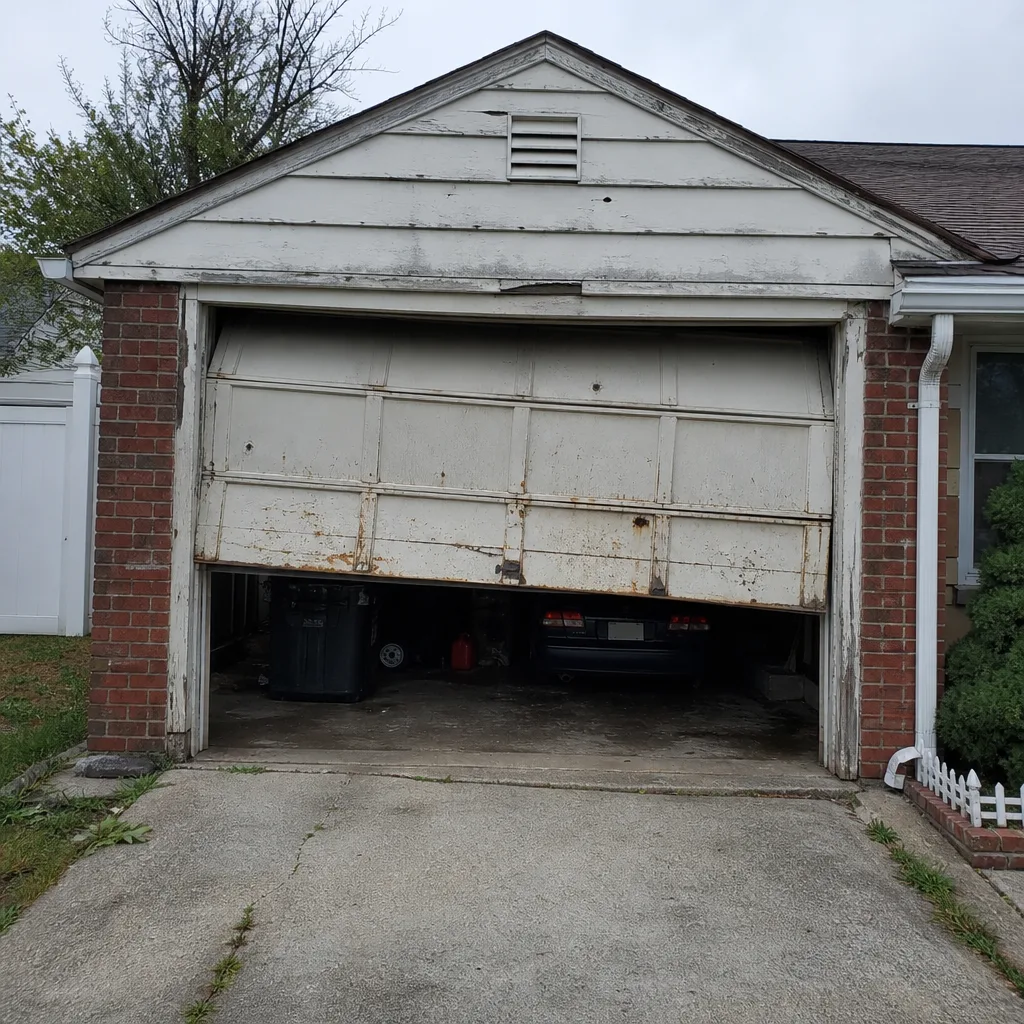 Before
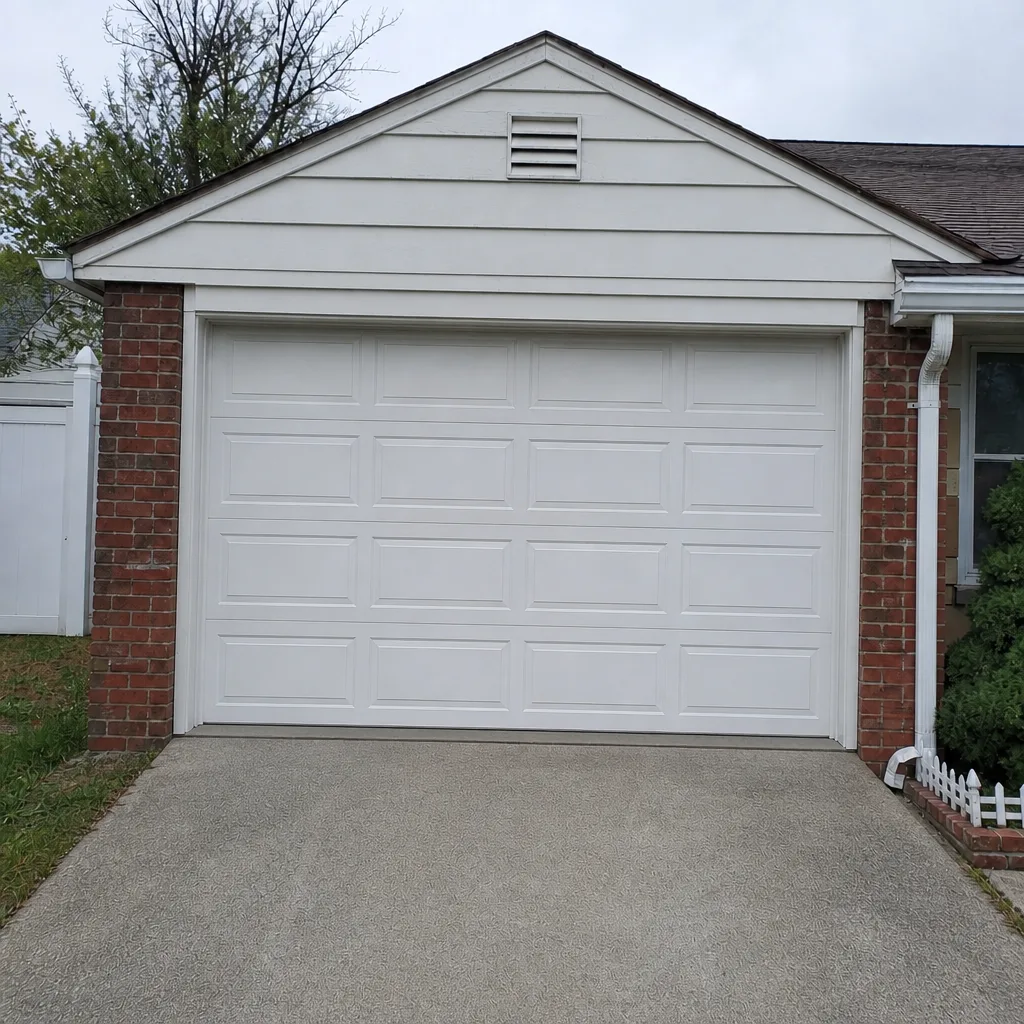 After
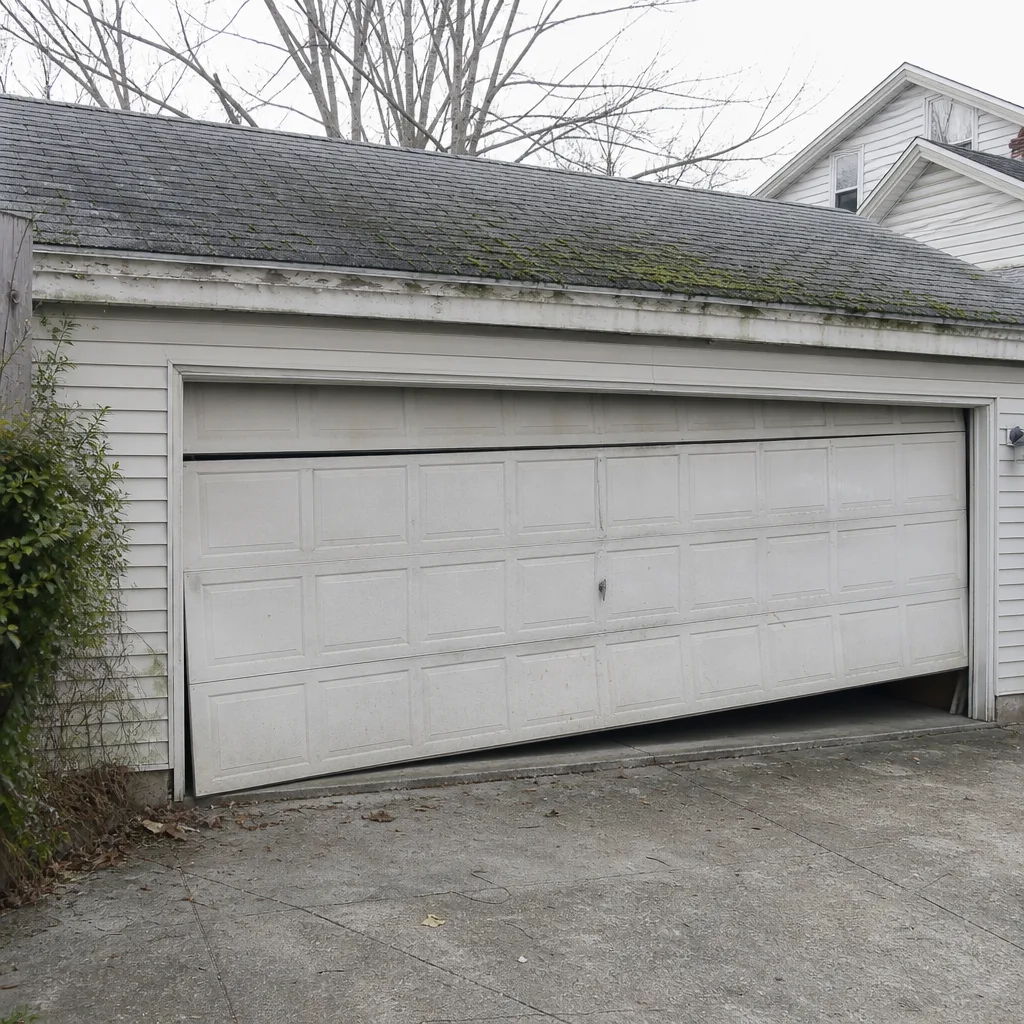 Before
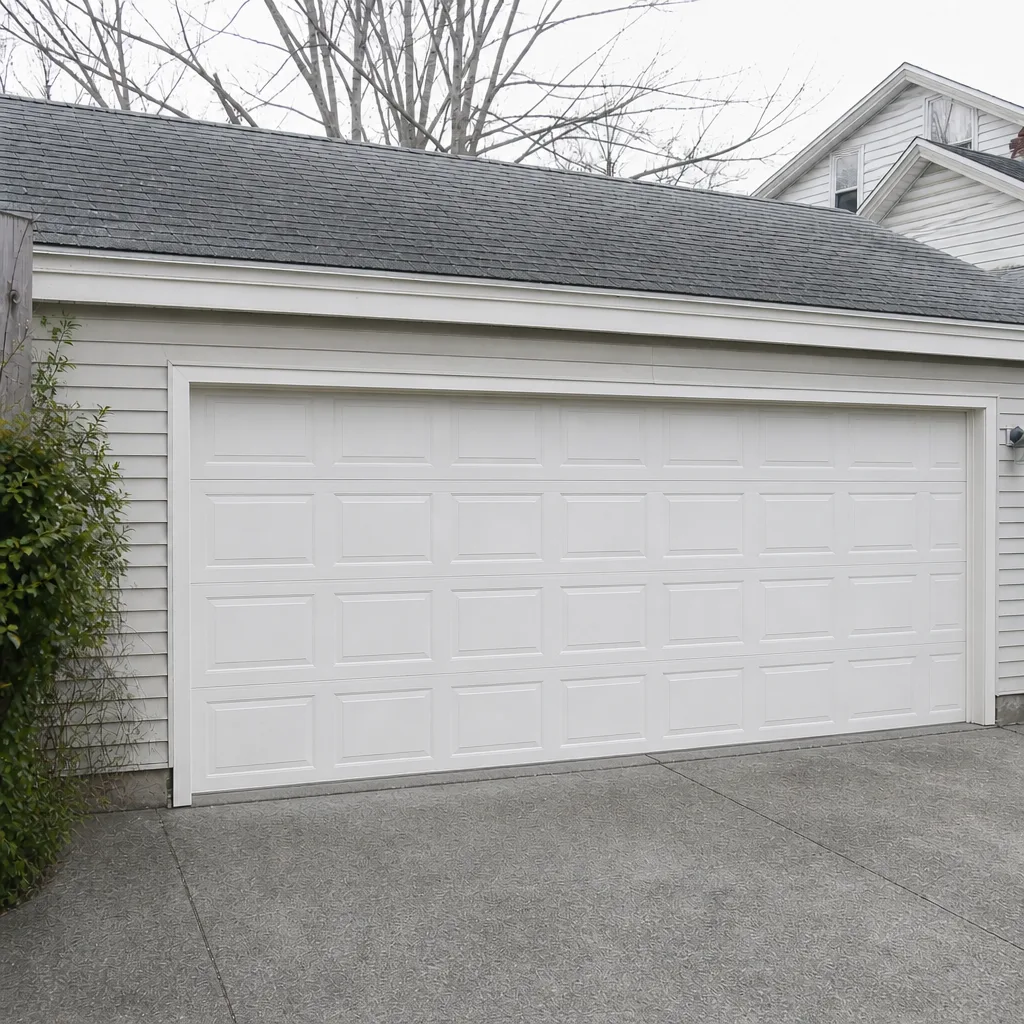 After
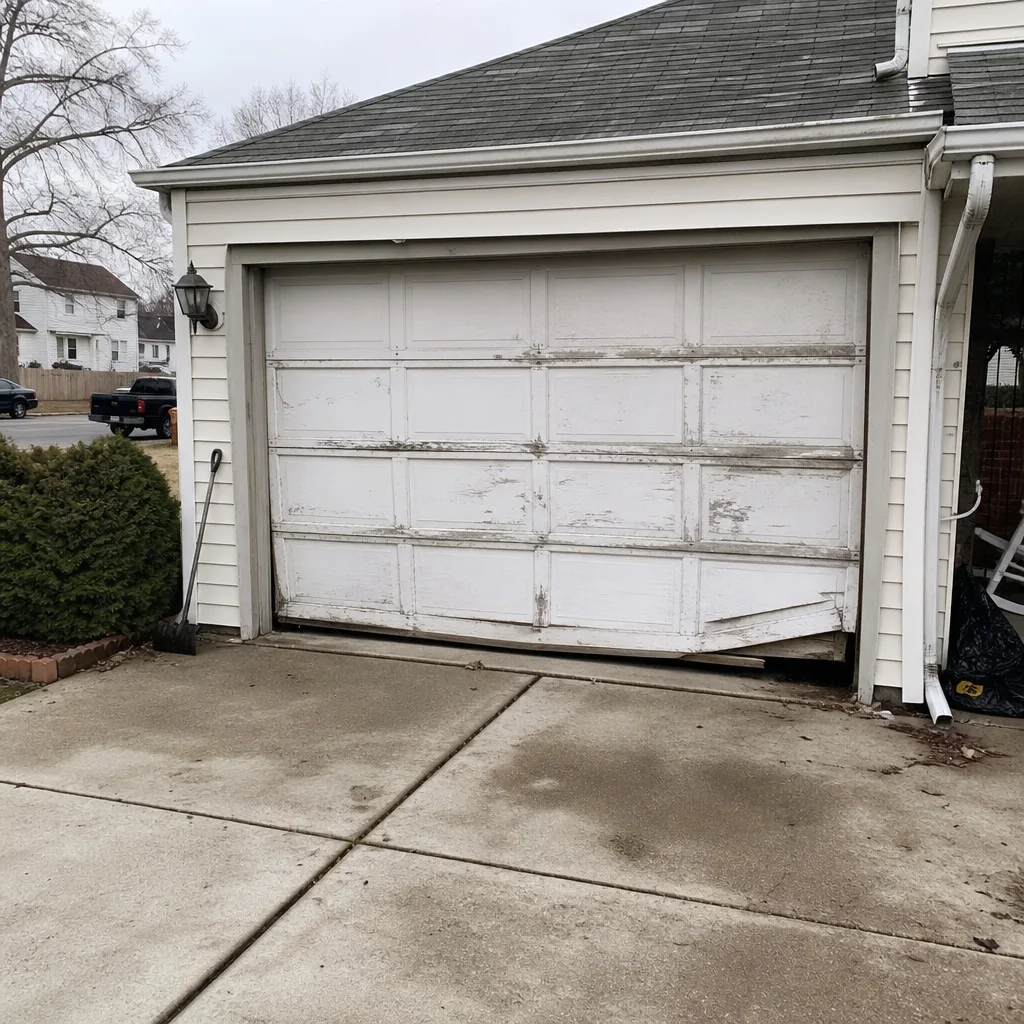 Before
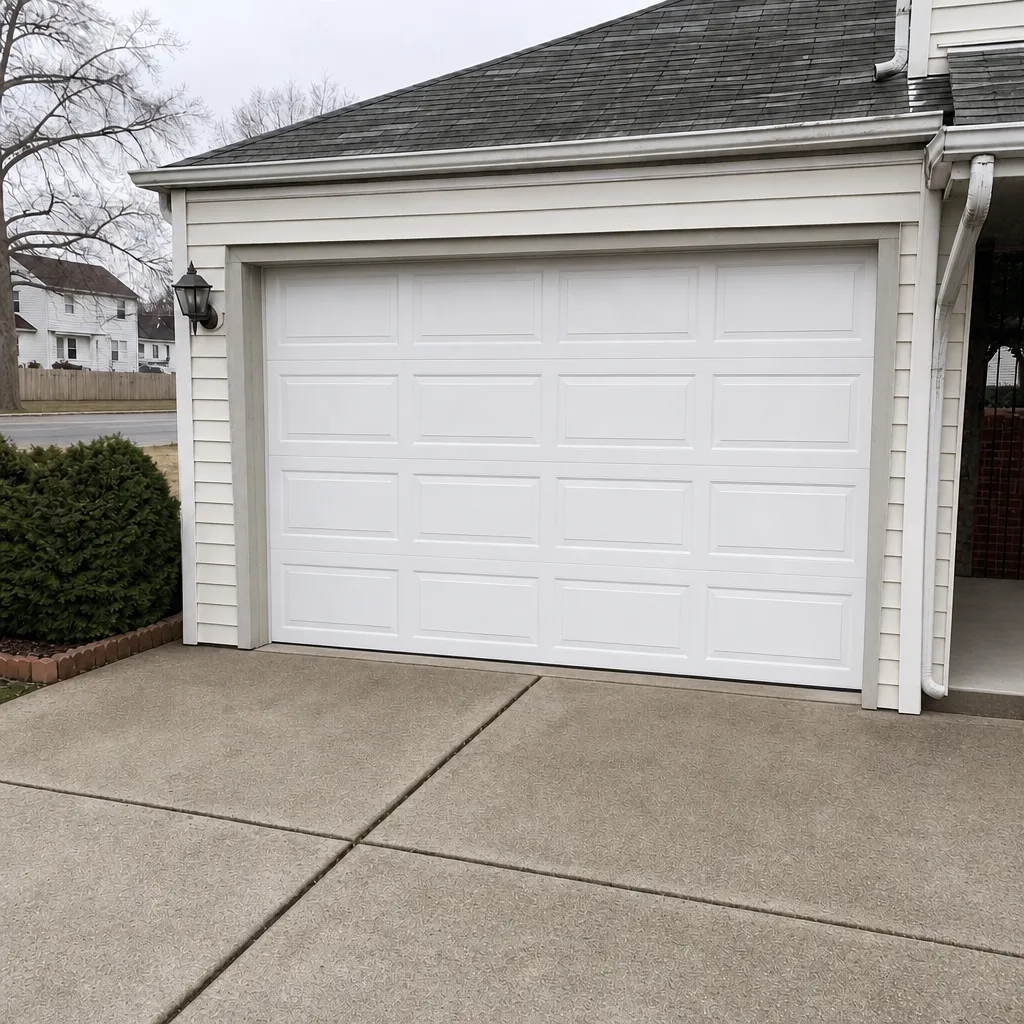 After
Frequently Asked Questions
A single-car door replacement in Long Branch typically runs $1,150 to $2,400, and a double-car door replacement runs $1,900 to $3,800. Coastal-grade hardware adds roughly 10% to 25% to the door and hardware line. Call (855) 658-3081 for an exact quote – estimates are free.
No. The estimate is agreed before any work starts, and the price we quote is the price you pay. If a job turns out to need something not on the estimate, we explain it and get your approval before doing the work. Call (855) 658-3081 and we’ll walk you through it.
A single torsion spring replacement in Long Branch typically costs $180 to $340, and a matched pair runs about twice that at $360 to $680. Spring size and cycle rating affect the number. Call (855) 658-3081 for an exact quote – estimates are free.
Yes, for most repair and emergency calls. Broken springs, unresponsive openers, and doors off track are the calls where same-day service matters, and emergency service is a core part of what we do rather than an add-on. Call (855) 658-3081 and we’ll get you scheduled.
Yes. The local pro we connect you with is licensed and insured as the state requires. Our technicians have up to 13 years of experience and work on the brands customers already own, including LiftMaster, Chamberlain, Genie, Clopay, Amarr, Wayne Dalton, Craftsman, and Raynor. Call (855) 658-3081 with any questions.
Repair usually wins when the door structure is sound and the failure is in a wearable part like a spring, roller, or opener. Replacement usually wins when panels are cracked or rusted, the door is structurally damaged, or repeated repairs start adding up to more than a new door. Call (855) 658-3081 for an honest recommendation – we do both and we’ll tell you which makes sense.
The Bottom Line
Garage door costs in Long Branch come down to four numbers: the door itself, the hardware bolted to it, the opener, and the springs. The ranges in this guide give you a realistic starting point for 2026, and the coastal upgrade is the one line item worth paying attention to, because standard hardware in this climate costs more in the long run. Ask for the hardware grade and the spring size in writing, read the estimate line by line, and decide between repair and replacement on the condition of the door rather than the size of the first invoice. Call (855) 658-3081 for a free estimate, and we’ll give you the price in writing before any work starts.
Written by the team at Long Branch Garage Door Repair Pros.