Last updated November 23, 2026
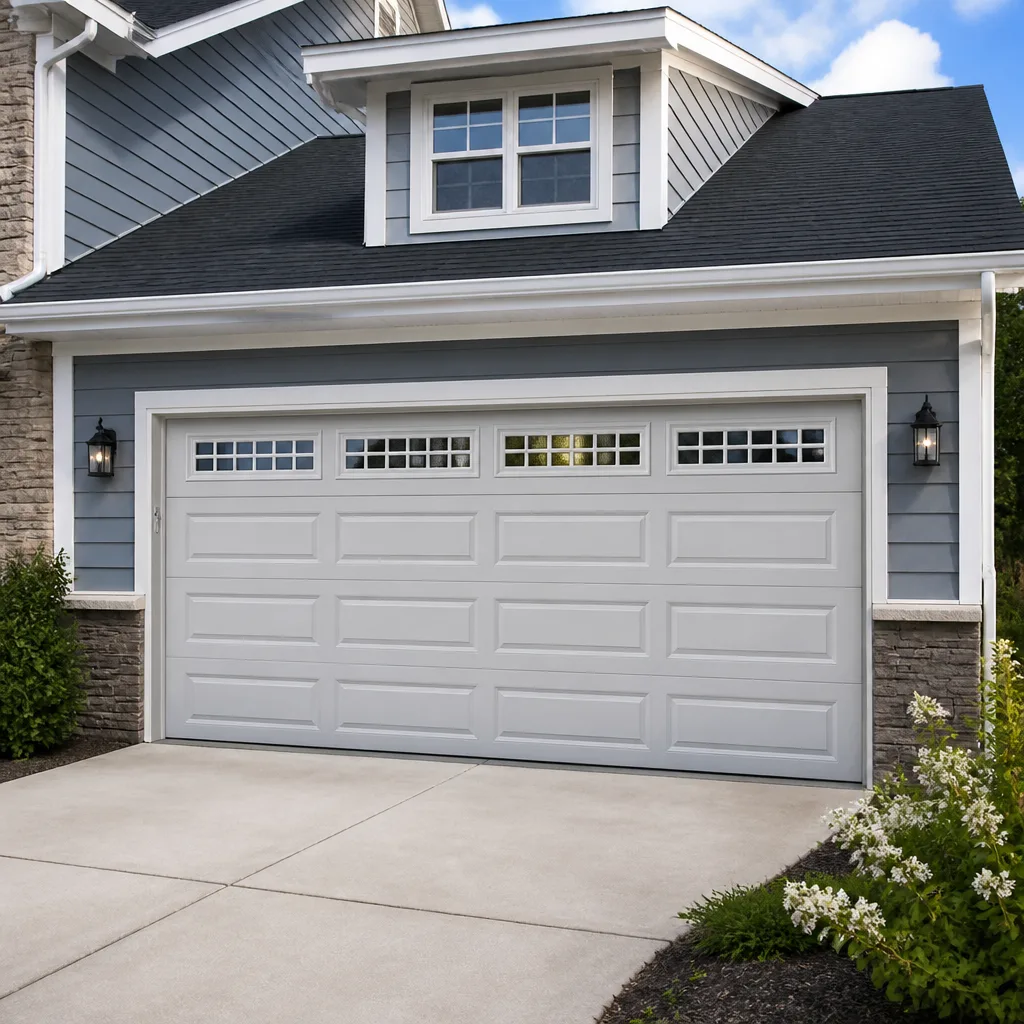 Raised-panel steel
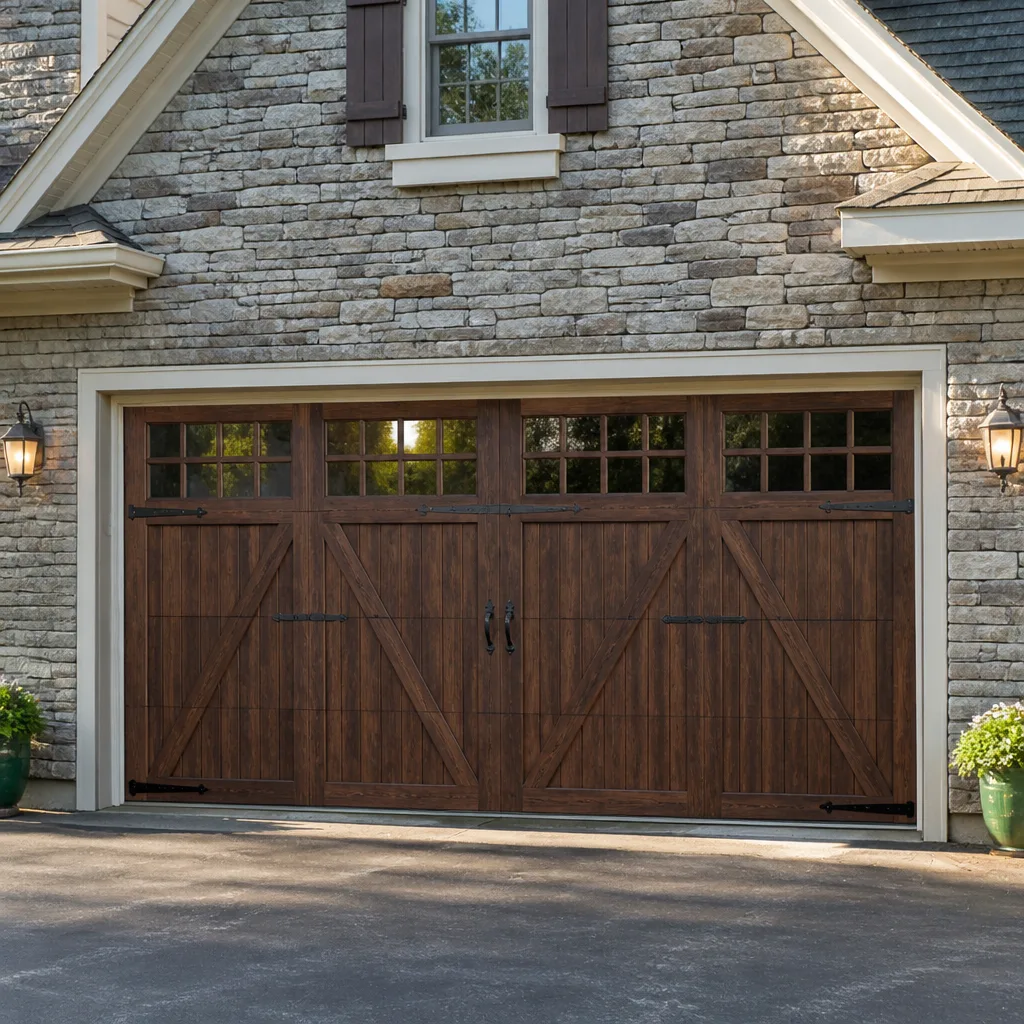 Carriage house
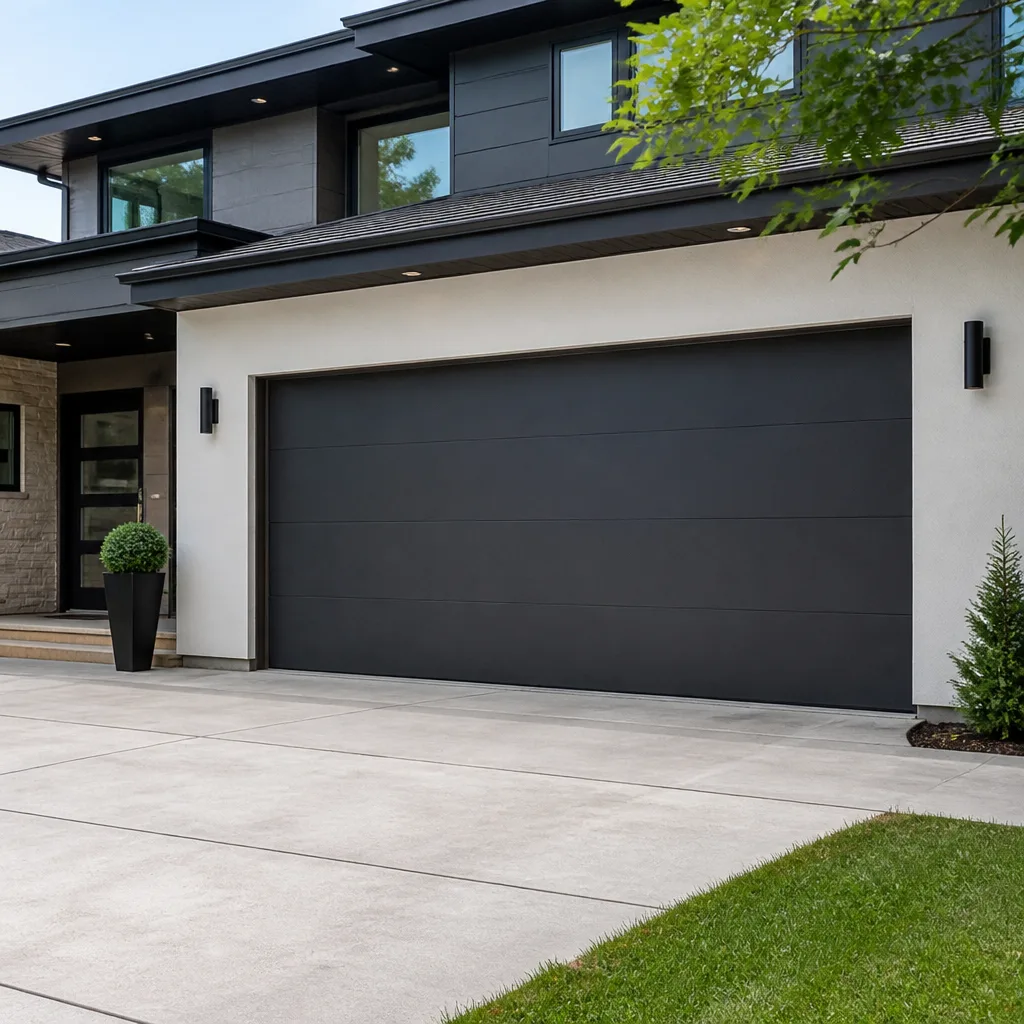 Modern flush
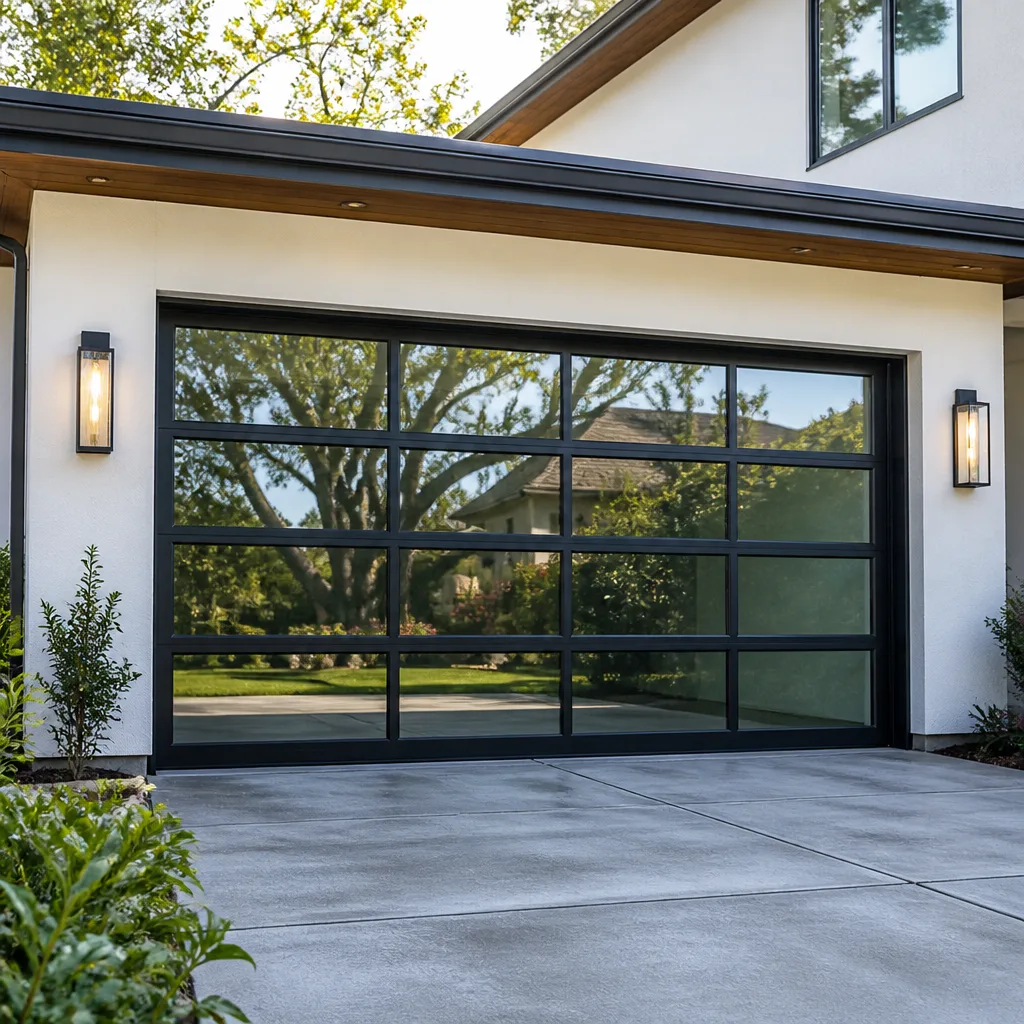 Full-view glass
 LiftMaster openers
 Chamberlain openers
Full 25-point door and opener safety check with every visit - springs, cables, rollers, tracks, and your LiftMaster or Chamberlain opener included
You get a price before we start. It does not change when the pro arrives.
Get your free estimateGarage Door Permits, Codes & Inspections in Long Branch, NJ: What You Need to Know
Most Long Branch homeowners assume a garage door replacement is simple homeowner business, the kind of job that never touches a building department. It’s a reasonable assumption, and it’s often wrong. A full replacement can cross the line into permitted work depending on how the door is anchored, how the opening is altered, and what the door is expected to do in a flood zone. A like-for-like swap of the same size door in the same tracks usually won’t. The gap between those two scenarios is where closings get complicated years later. This guide walks through when a permit applies in Long Branch, how the city’s building department handles residential garage door inspections in practice, what flood zone rules mean for installation, and how to ask a contractor the questions that reveal whether they actually understand any of it.
Quick Answer
In Long Branch, a garage door project triggers a permit when you’re changing the size of the opening, altering the structural framing, adding a new opening, or doing work that a flood zone requires to meet elevation and flood-resistant standards. A simple like-for-like replacement of the same door in the same opening is typically treated as ordinary maintenance and usually doesn’t require a permit, but the only reliable answer comes from the city’s building department. Always confirm before work begins, and get the answer in writing on the contractor’s estimate.
Styles & brands we work with
- Raised-panel steel
- Carriage house
- Modern flush
- Full-view glass
- LiftMaster openers
- Chamberlain openers
Table of Contents
- When Does a Garage Door Project Need a Permit in New Jersey?
- Like-for-Like Replacement vs. Permitted Work: The Distinction That Trips People Up
- How Long Branch’s Building Department Handles Residential Garage Door Inspections
- FEMA Flood Zones and Garage Door Installation in Long Branch
- You Did the Work Without a Permit. Now You’re Selling. What Happens?
- How to Ask Your Contractor the Right Permit Questions
- What a Garage Door Inspection Actually Covers
- Common Mistakes to Avoid
When Does a Garage Door Project Need a Permit in New Jersey?
New Jersey doesn’t treat every garage door job the same way. The state building code, adopted and enforced at the municipal level, draws a line between maintenance and construction. Replacing a worn door with an identically sized door in the existing tracks, using the existing opener and springs, is generally maintenance. Altering the opening, the header, the framing, or the electrical circuit that feeds the opener is generally construction, and that’s where permits come in.
The practical test most building departments apply comes down to a handful of questions:
- Is the opening the same size? If you’re widening or heightening the opening, the header and framing change, and that’s structural work.
- Is this a new opening? Cutting a garage door into a wall that never had one requires structural review.
- Does the door serve a required function? Doors on an attached garage that separates the living space from the vehicle area have to meet specific separation requirements.
- Is the property in a mapped flood zone? If so, the requirements go beyond the standard building code, and we cover that below.
- Is new electrical work involved? A new opener circuit, a new outlet for the opener, or re-routing wiring generally needs an electrical permit separate from the building permit.
What surprises homeowners most is that the answer can change even when the door looks the same from the curb. A same-size door may weigh substantially more than the original, especially when moving from a light wooden door to an insulated steel model like a Clopay or Amarr. Heavier doors need different springs and different anchoring, and some departments want to see that anchoring plan before they’ll sign off. We’ve had customers in Long Branch be told a job was “just a swap” by one contractor and “permit required” by another, and both were technically making a defensible call based on how they planned to do the work. That’s why the permit conversation belongs on the estimate, in writing, before anyone lifts a door.
If you’re not sure which category your project falls into, this is exactly the kind of question to settle with the city before scheduling anything. Our garage door repair work in Long Branch frequently starts with clearing that up, because nobody wants a finished door and an open permit file.
Like-for-Like Replacement vs. Permitted Work: The Distinction That Trips People Up
The phrase “like-for-like” gets used loosely by homeowners and sometimes by contractors trying to keep a bid low. Here’s what it actually means in a code context: you’re replacing a component with another component of the same type, size, and function, in the same location, without changing the existing structure. A same-size hollow metal door replacing a worn hollow metal door in the same tracks qualifies. A 9-foot-wide door replacing an 8-foot door does not, because the opening changes.
Here’s where the line gets fuzzy in practice:
- Same size, different weight. The dimensions match, but the door is significantly heavier. Usually still treated as like-for-like, but the spring and anchor plan needs to be correct, and we always document what was installed.
- Same opening, new tracks and hardware. Tracks get replaced on most full replacements. By itself this is a component swap, not structural work.
- Same opening, new opener with a new dedicated circuit. The door portion is like-for-like, but the electrical piece may need its own permit. This is one of the most common things people miss.
- Same opening, cut-down header to gain clearance. Now you’ve altered the structural framing. Permit territory.
- Same opening, converting a manual door to an automatic one. Generally fine on the door side, but the electrical circuit question applies again.
We work on the brand you already own, which matters here. If you have a Wayne Dalton or a Raynor door and the goal is to replace a section or a worn component with the same or equivalent part, that’s usually a clean like-for-like service call. If the goal is to change the door, the permit question comes first. Our Long Branch Garage Door Repair Pros team has seen enough of these to know when to look it up rather than guess.
How Long Branch’s Building Department Handles Residential Garage Door Inspections
Long Branch runs its own code enforcement and building department, which means residential garage door permits are handled locally rather than through the county. In practice, the process for a permitted garage door project looks like this:
- Application. The owner or contractor submits the permit application with a description of the work, and typically a drawing or manufacturer’s specification showing the door size, anchoring, and any structural changes.
- Review. The department reviews the scope against the applicable code, including flood provisions if the property is in a mapped special flood hazard area.
- Permit issuance. You get a permit card, and the work is allowed to proceed. The permit has to be visible on site or available on request.
- Inspection. Once the door and any related hardware are installed, you call for an inspection. The inspector verifies that what’s on the permit matches what’s on the building, plus the anchoring and safety components.
- Sign-off and certificate of approval. The job is closed out in the city’s records. This is the document that matters years later at resale.
Two practical notes about Long Branch specifically. First, the city’s housing stock is varied, from older homes with non-standard garage openings to newer construction with standard sizing, so inspectors have seen a wide range and tend to be specific about dimensions. Second, because Long Branch sits along a waterway and includes areas that flood, the building department’s scrutiny of garage doors on properties in mapped flood zones runs deeper than on a routine inland job. Expect the review to take longer when flood provisions apply. That’s not friction for its own sake; it’s the department doing what the floodplain rules require.
If you want the current fee schedule and application requirements, that comes from the building department directly. We’ll always tell a customer to call them, and we’ll tell them what to ask.
FEMA Flood Zones and Garage Door Installation in Long Branch
Long Branch has properties in mapped flood zones, and this changes the permit calculus for garage doors in a way that doesn’t apply to most New Jersey towns. If a home is in a special flood hazard area, the community’s participation in the National Flood Insurance Program means local building officials have to enforce floodplain construction standards. Those standards for a garage door aren’t just about the door itself. They’re about how the door and the elevation of the opening interact with floodwater.
The practical consequences:
- Opening elevation matters. A door that sits low may be required to be flood-resistant in ways a standard door isn’t, and openings designed to let water through rather than hold it back may be needed in certain cases.
- Materials and anchoring change. Flood-resistant assemblies often call for specific anchor methods and materials that hold up under hydrostatic pressure. This is one of the few places where the door’s construction spec is reviewed against flood provisions.
- Substantial improvement rules. If the work done on a flood zone structure exceeds a certain proportion of its value, the entire structure may need to be brought into compliance with current flood standards. This is a big deal on replacement projects and the property owner needs to know it before signing a contract.
- Documentation matters at resale. A garage door in a flood zone without permit records can create the exact closing problem this guide opened with.
The FEMA flood maps for a specific address are the starting point, and they’re available through the city and FEMA directly. Once you know the zone, the building department can tell you what the door has to satisfy. This is not something a contractor should be guessing at on a Long Branch property. If the door is in a mapped zone, the questions get asked before the order goes in.
You Did the Work Without a Permit. Now You’re Selling. What Happens?
Unpermitted garage door work surfaces at resale far more often than people expect, and it’s rarely the buyer who catches it first. The standard sequence is: the buyer’s inspector flags the door, the buyer’s attorney requests permit history from the city, the records don’t match the work that was done, and the seller is now in the position of proving something years after the fact.
Remediation paths exist, and the earlier you start the better:
- Find out what the city’s records actually show. Permits and certificates of approval are public record. Get the history for the address before listing, not after the buyer’s attorney asks.
- Talk to the building department about late permits. Most departments have a path for permit applications filed after the work was done. There’s usually an additional fee, and the project may need to be visible or re-opened for inspection.
- Expect an inspection of the existing work. A late permit doesn’t mean the city accepts what’s there. The inspector will look at the door, the anchoring, and the safety components as they exist now. If something doesn’t meet code, it gets corrected.
- Disclose, in writing, in the seller’s disclosure. New Jersey requires sellers to disclose known conditions and unpermitted work. Attempting to hide it is worse than disclosing it.
- Consider a buyer credit or a corrective contract. Sometimes the cleanest path at closing is a documented credit that lets the buyer bring the work into compliance. That’s a negotiation, and it’s much easier than retroactive permits discovered mid-escrow.
We’ve seen the pattern play out in Long Branch on garage work that was otherwise perfectly fine. The door worked. It was safe. But the file didn’t match the property, and at closing that’s what mattered. If you’re selling and the door was replaced without a permit, start the conversation with the building department now rather than waiting for a buyer to hand you a problem.
How to Ask Your Contractor the Right Permit Questions
The questions you ask a garage door contractor about permits tell you more about them than any review or sales pitch. A contractor who does one trade well will answer these quickly and accurately. A contractor who’s guessing will hedge.
Ask these, and listen carefully to the answers:
- “Is this job permitted work or maintenance, and why?” The right answer includes a reason specific to your project, not a general statement.
- “Who pulls the permit, and whose name is on it?” On most residential projects the contractor pulls the permit as the licensed professional. If the answer is “you handle that,” it tells you something about their comfort operating under inspection.
- “What happens if the inspector finds something wrong?” The right answer is that they fix it as part of the job. The wrong answer is that it’s not their problem.
- “Is this property in a flood zone, and does that change what you’re installing?” A contractor who works in Long Branch should know this question exists and be able to look it up.
- “Will the permit and any inspection fees be on the estimate?” Vague answers here often become surprise additions later. The written estimate should show them.
- “What’s written on the estimate about the scope?” Door size, door model, spring type, anchor method, permit responsibility. If it’s not on the estimate, it’s not agreed.
Our garage door opener repair calls sometimes reveal a new electric circuit that was never permitted years earlier. We tell the homeowner, and we tell them it’s a permit question, not an opener question. That’s the honesty standard to look for. A contractor who’s going to do the work right is willing to talk about the permit file.
What a Garage Door Inspection Actually Covers
Whether it’s a city inspection on a permitted project or an inspection a buyer’s agent requested, the same core components get checked. Understanding what they are helps you prepare and helps you evaluate the report.
- Torsion springs and mounting. Springs are high-tension components. The inspector looks at the spring, the anchor plate, and how it’s bolted to the wall above the door. This is the part most often corrected. Springs are not a DIY fix, and we won’t walk anyone through one over the phone.
- Cables and drums. Cable condition, drum alignment, and how the cable is secured.
- Track alignment and anchoring. Vertical tracks need to be plumb, horizontal tracks level, and the wall anchor brackets secure.
- Panel and section integrity. Doors that are damaged or improperly braced, especially on heavier models like a LiftMaster-operated insulated steel door, may need correction.
- Photo-eye safety sensors and auto-reverse. The sensors have to be mounted, aligned, and functional. The auto-reverse has to stop the door on contact. This is the one item that’s checked every single time.
- Opener mounting and force settings. The opener has to be anchored correctly, and the force adjustment has to be within spec.
- Labeling and documentation. The manufacturer’s label on the door and any required safety labeling must be present. The permit and the installed door should match.
What an inspection doesn’t do is fix what’s wrong. If the door fails, the corrections have to be made and re-inspected. On permitted projects the contractor who pulled the permit is the one who owns that. On a buyer’s inspection, it becomes a negotiation.
For high-tension components, our garage door spring repair work begins with an inspection of the spring and anchor before anything else, and we always explain what we’re seeing. Springs fail catastrophically when they’re under-tensioned, over-tensioned, or poorly anchored. That’s a trained professional’s job, full stop.
Common Mistakes to Avoid
- Assuming a full replacement never needs a permit. A like-for-like swap usually doesn’t. A size change, a header change, or an electrical circuit addition usually does. Ask the city, not the contractor’s best guess.
- Not asking about the flood zone. Long Branch has properties in mapped flood zones. If yours is one of them, the door spec, anchoring, and permit requirements can be different, and a standard replacement plan won’t satisfy them.
- Pulling the permit as the homeowner to save money. You become the responsible party for the inspection and the corrections. On most jobs it’s cleaner and cheaper to have the licensed contractor pull it.
- Letting the contractor pull the permit under a subcontractor’s name. The name on the permit needs to match who’s actually doing the work and who’d answer for it. Handoffs like this create records problems at resale.
- Not keeping the certificate of approval. It’s the document a future buyer’s attorney will ask for. Keep it with the closing documents.
- Buying a door that can’t be permitted. Before ordering a door, check whether the size, anchoring, and flood provisions will pass review. Ordering first, permitting second, is the wrong order.
- Doing the springs yourself. Springs hold tension that can injure seriously. They’re a trained professional’s job and always will be.
See the difference
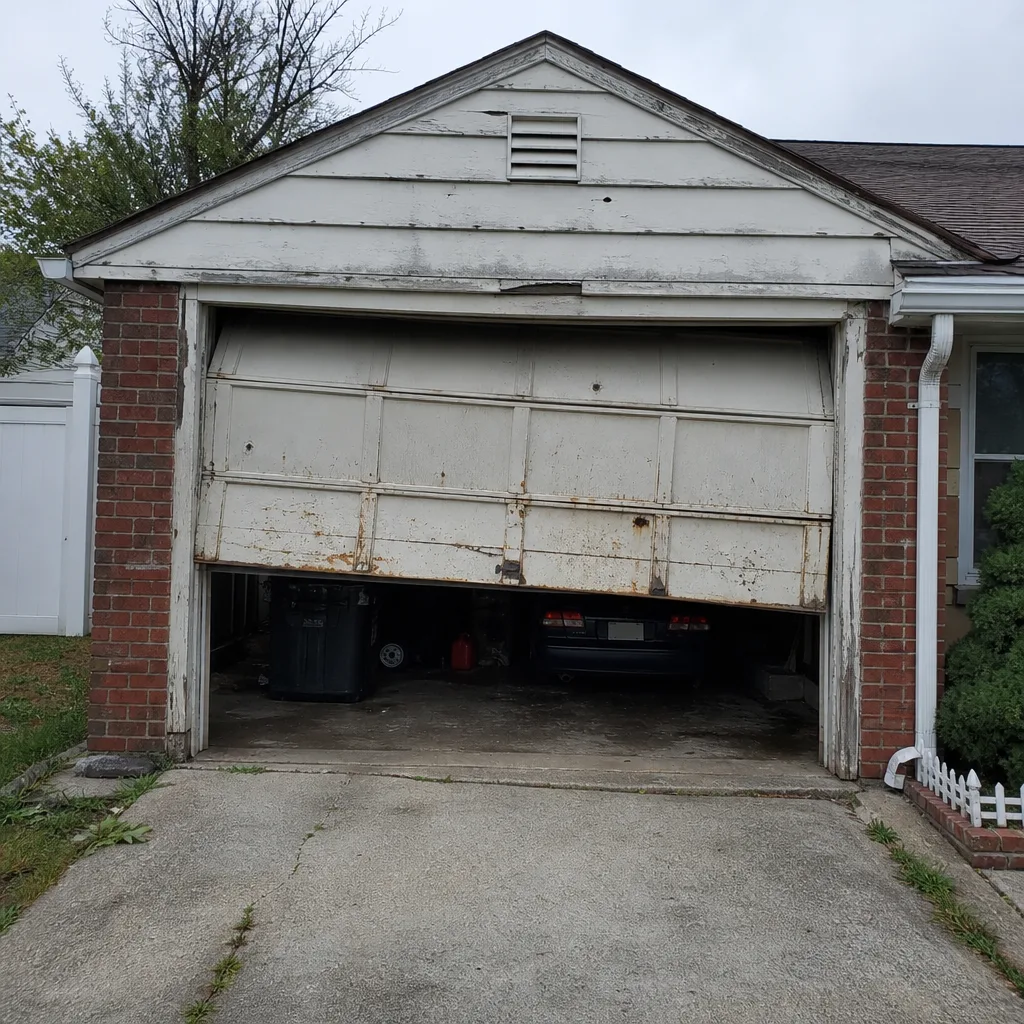 Before
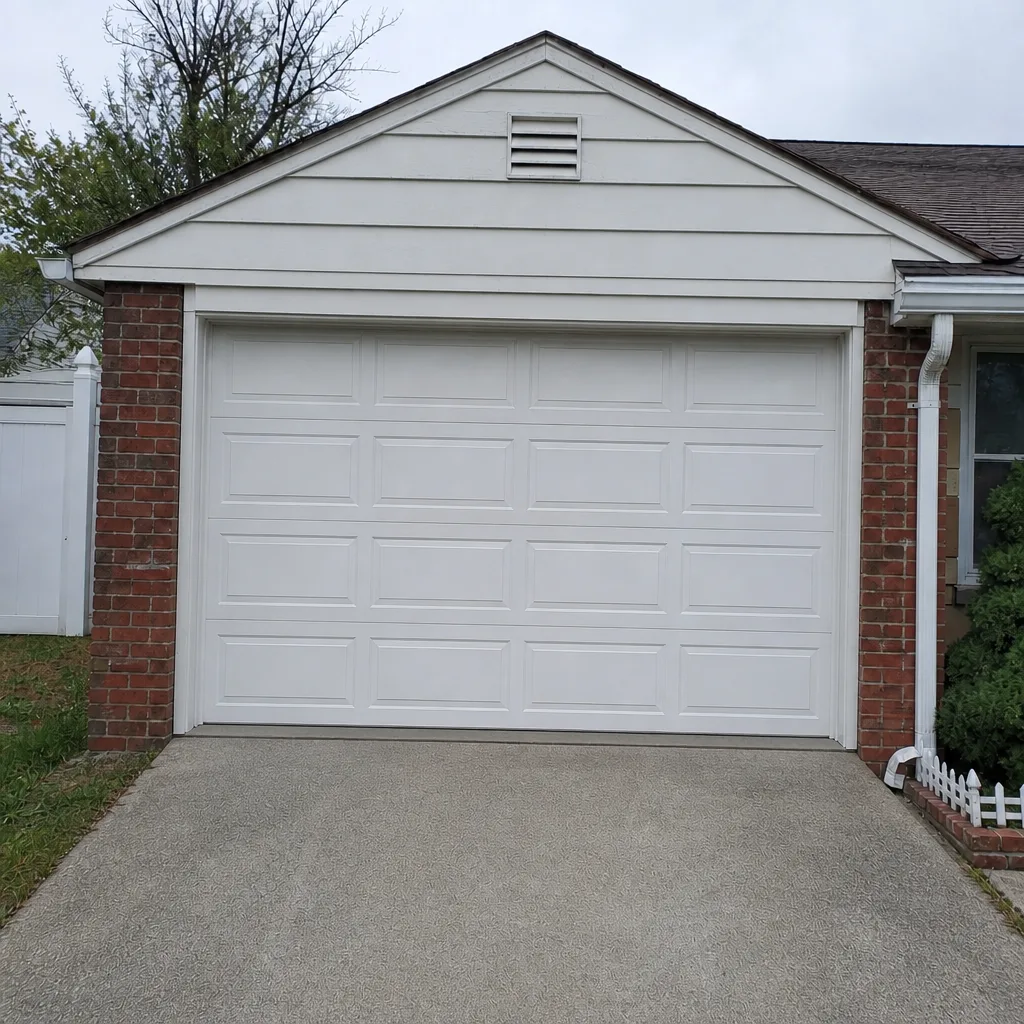 After
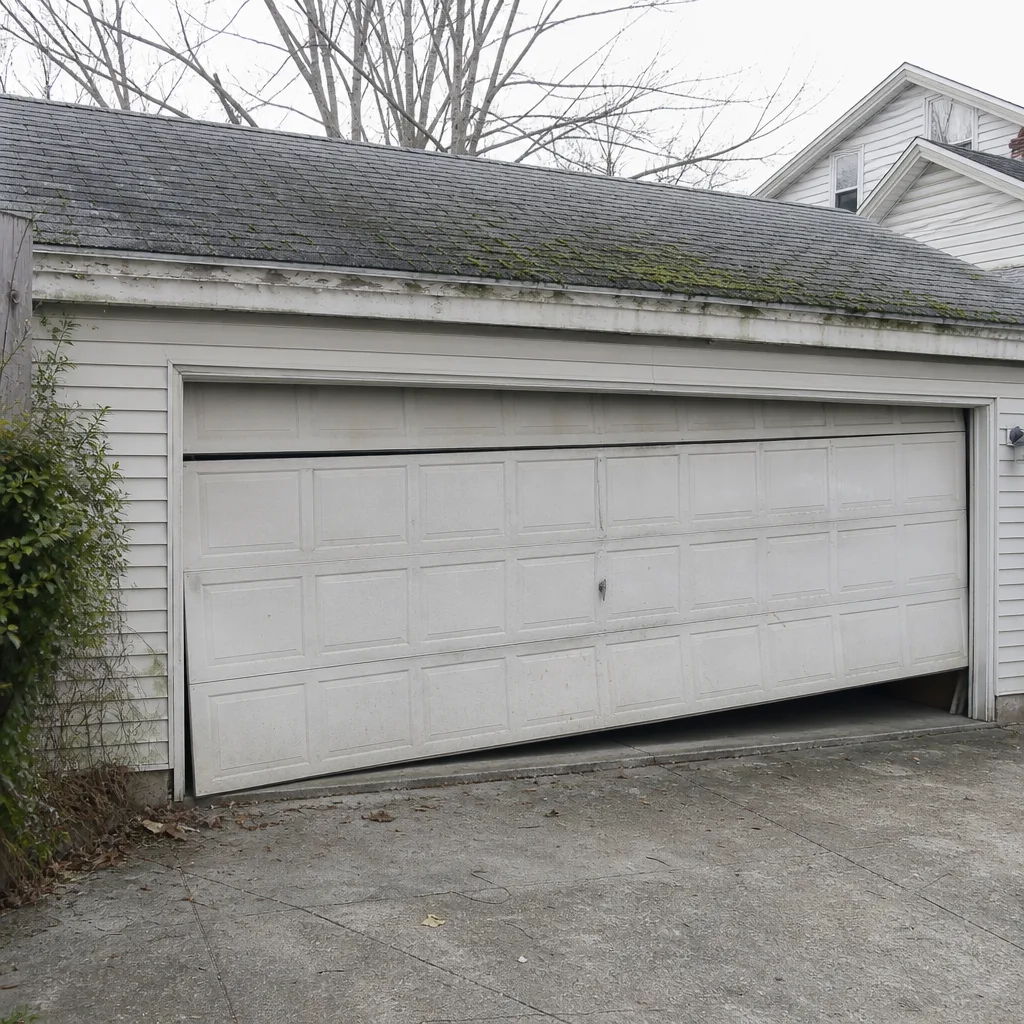 Before
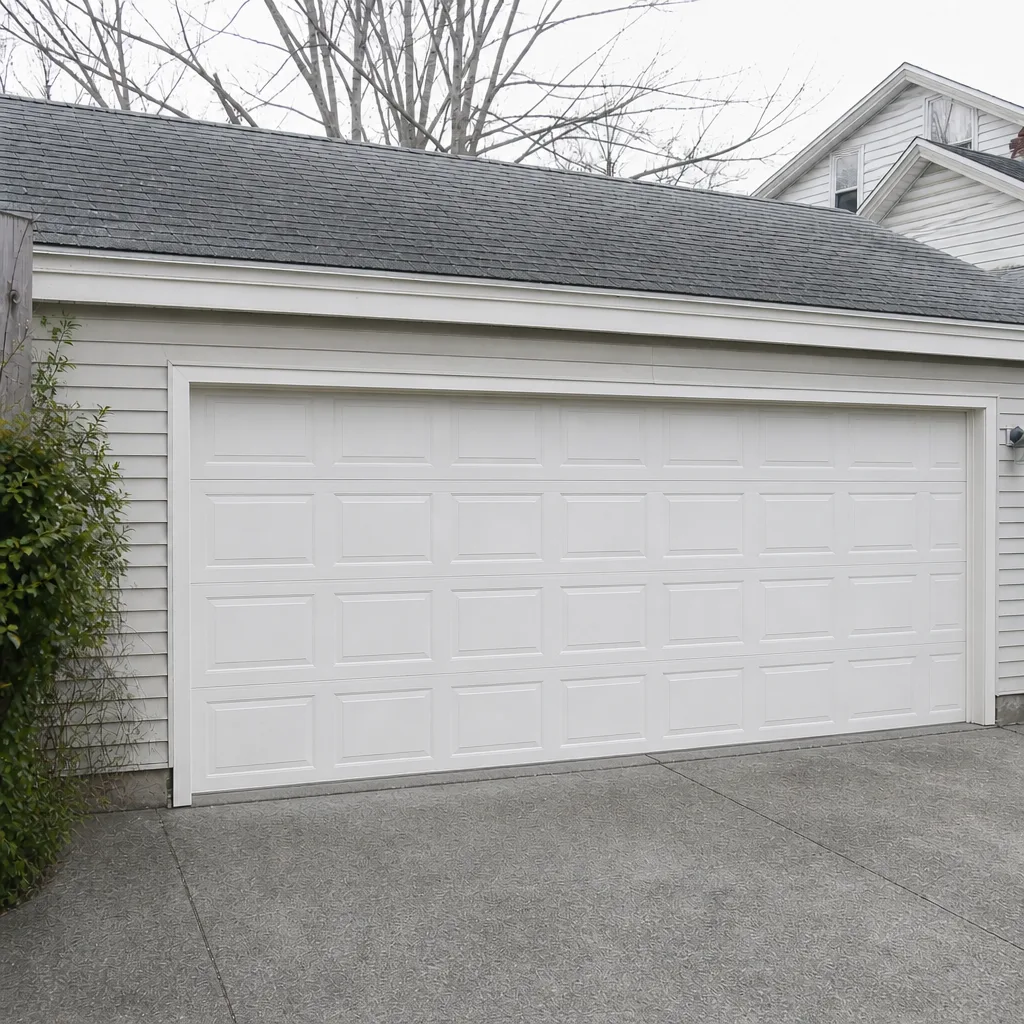 After
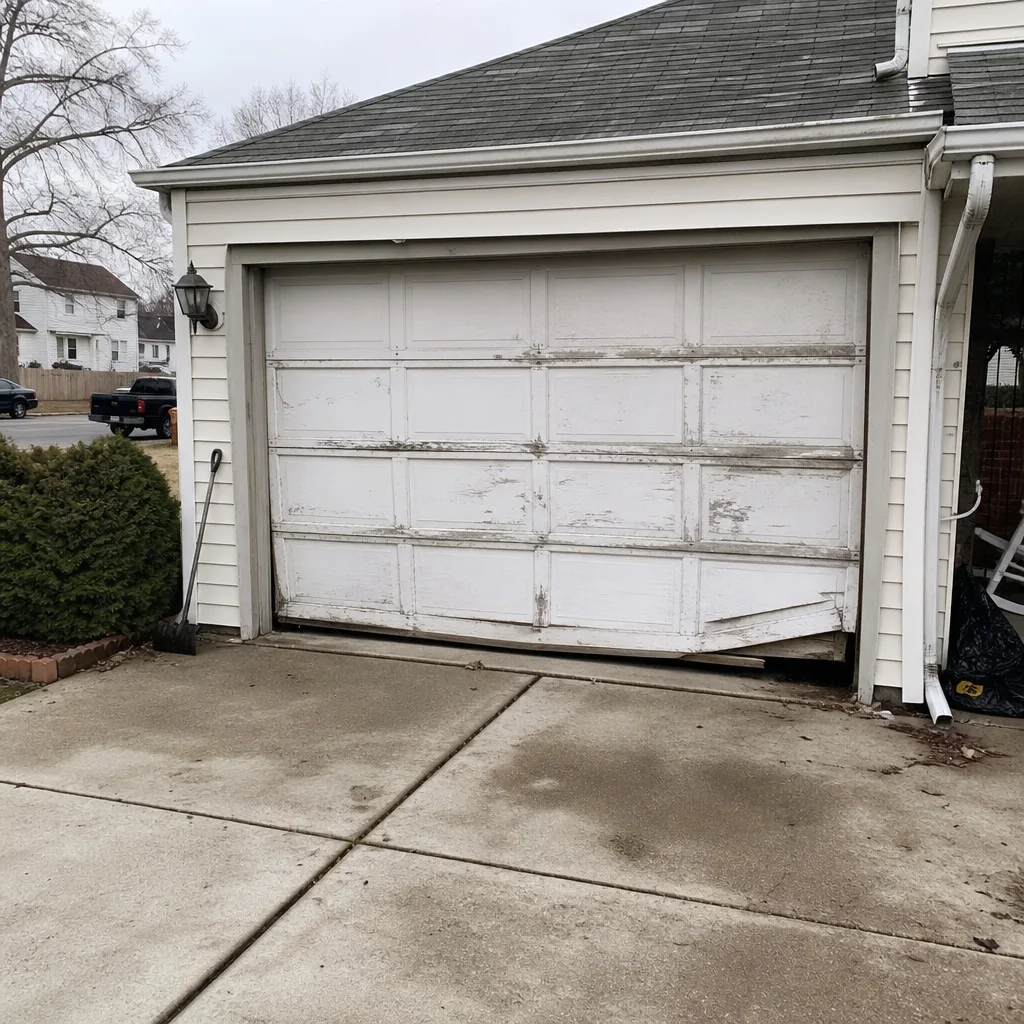 Before
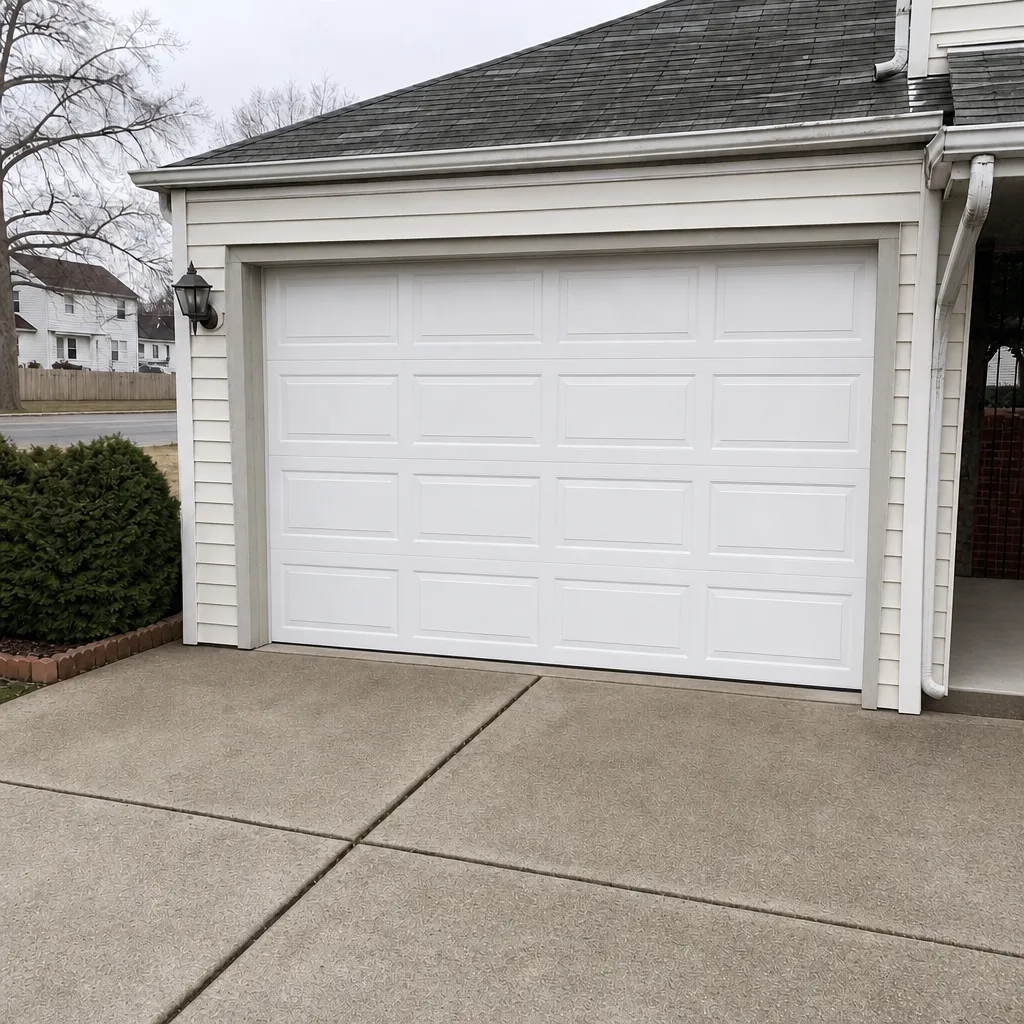 After
When to Call a Professional
Bring in a professional when the permit question is unclear, when the door is in a mapped flood zone, when springs, cables, or opener wiring are part of the project, or when a buyer’s inspection flags the door. Even a door that “just needs a new opener” can hide an electrical code issue and, sometimes, an older unpermitted circuit. That’s a professional’s call to make. Our technicians have up to 13 years of experience, and we work on the brands customers actually own, including LiftMaster, Chamberlain, Genie, Clopay, Amarr, Wayne Dalton, Craftsman, and Raynor. We don’t hand off half the job. Long Branch Garage Door Repair Pros offers free estimates in Long Branch, call (855) 658-3081.
Frequently Asked Questions
Usually not for a straight like-for-like replacement of the same size door in the same opening, but it can if the opening size changes, the framing is altered, a new opening is created, an electrical circuit is added for the opener, or the property is in a mapped flood zone. The only reliable answer for your address comes from Long Branch’s building department, and you should get it before any work starts. Call (855) 658-3081 to schedule a free estimate, and we’ll walk you through the right questions to ask.
Permit fees in Long Branch are set by the city’s fee schedule and vary with the scope of the project, so we can’t quote a number for you here; the building department has the current schedule. The permit fee is a separate line item from the door and installation cost, and we list it on the written estimate so there are no surprises. The price on the written estimate is the price we agree to before any work begins.
You’ll typically need to apply for a late permit, pay the additional fee, and have the work inspected by the building department. You’re also required to disclose known unpermitted work in the seller’s disclosure. Buyers’ attorneys commonly request the permit history from the city, so the records need to match the property. Our advice is to start the conversation with the building department as soon as you decide to sell, not after a buyer flags it.
Yes. If the property is in a mapped special flood hazard area, Long Branch’s floodplain requirements apply on top of the standard building code. That can affect the door’s flood-resistant construction, its anchoring and elevation, and whether the project counts as substantial improvement. The FEMA maps for your address are the starting point, and the building department can tell you what the door has to satisfy. Call (855) 658-3081 for a free estimate and we’ll help you identify the right questions to ask.
The local professionals we connect you with are licensed and insured as New Jersey requires, and they carry the liability coverage a garage door project calls for. Before any work begins, ask to see the license and insurance, and check the name against the permit, because the permit needs to be in the name of the professional who’s actually doing the work. Our team’s technicians have up to 13 years of experience, and our focus is garage doors and nothing else. Call (855) 658-3081 for a free estimate.
Inspections check the springs and their anchoring, the cables and drums, track alignment and anchoring, panel integrity, the photo-eye safety sensors, the auto-reverse function, opener mounting and force settings, and the manufacturer’s labeling. Most doors pass on the first inspection if the work was done correctly. Failures are usually anchoring or safety-component issues, not the door itself. If the door fails, the corrections have to be made and re-inspected, and we handle that as part of the job.
No, not if we’ve already given you a written estimate. The written estimate sets the price, and the price is quoted and agreed before any work starts. If the inspection reveals something that wasn’t visible during the estimate, you’ll hear about it before we touch it, with a new written number to approve or decline. That’s the standard you should hold any garage door company to, not just us. Call (855) 658-3081 for a free estimate.
The Bottom Line
In Long Branch, the garage door permit question comes down to scope and location. A same-size replacement in the same opening is usually maintenance. Altered framing, new openings, new opener circuits, and anything on a property in a mapped flood zone can be permitted work, and the city’s building department is the only authority that can tell you which you’re facing. Get the answer before the order goes in, have the contractor pull the permit in their own name, keep the certificate of approval, and disclose honestly if the work was done without one. The written estimate sets the price, and the work is quoted before it starts. For a free estimate, call (855) 658-3081.
Written by the team at Long Branch Garage Door Repair Pros.