Last updated November 23, 2026
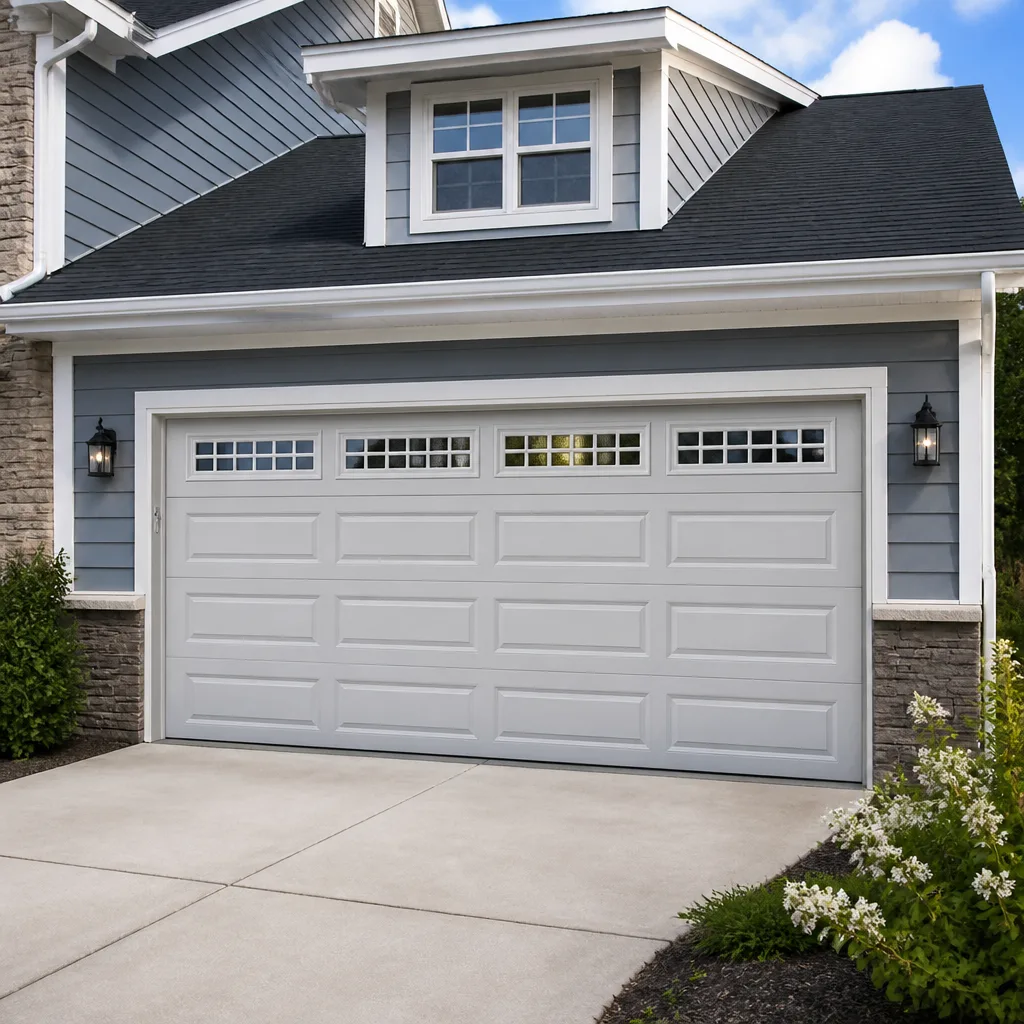 Raised-panel steel
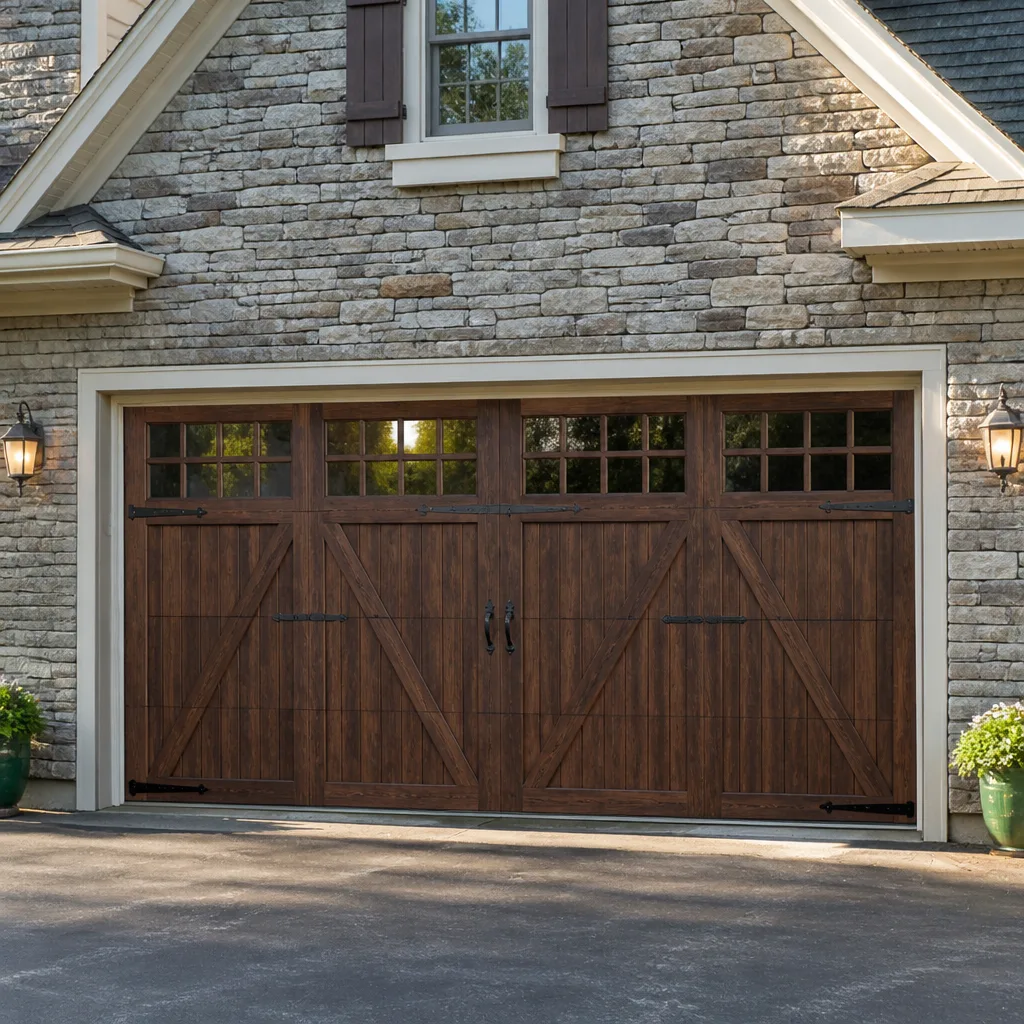 Carriage house
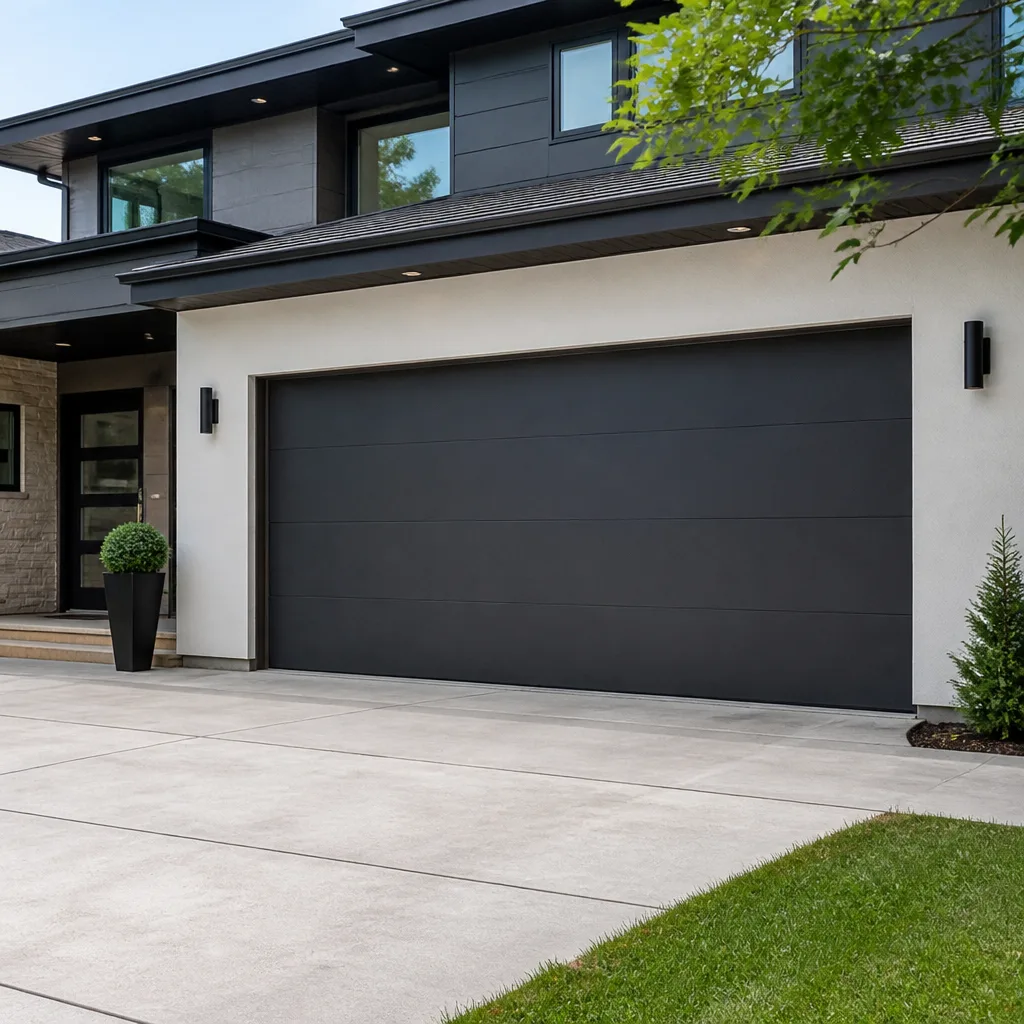 Modern flush
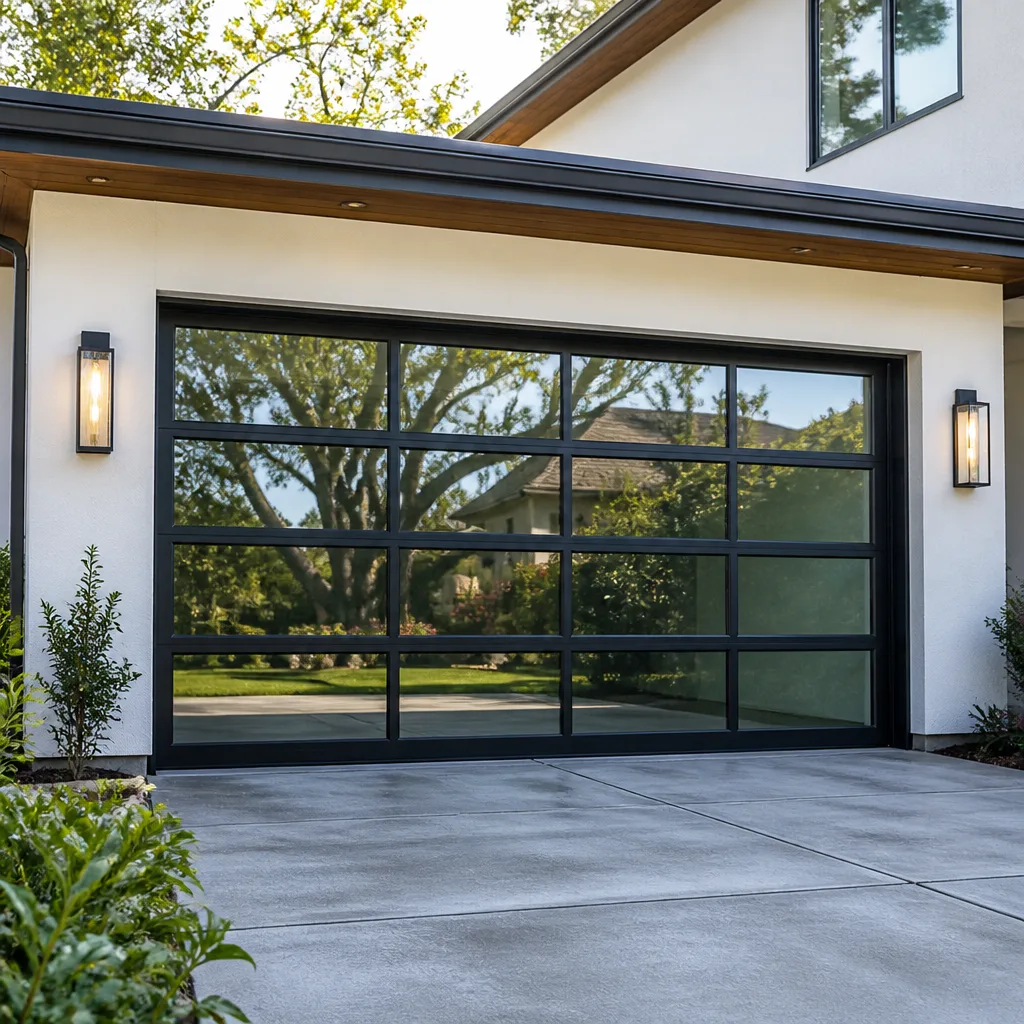 Full-view glass
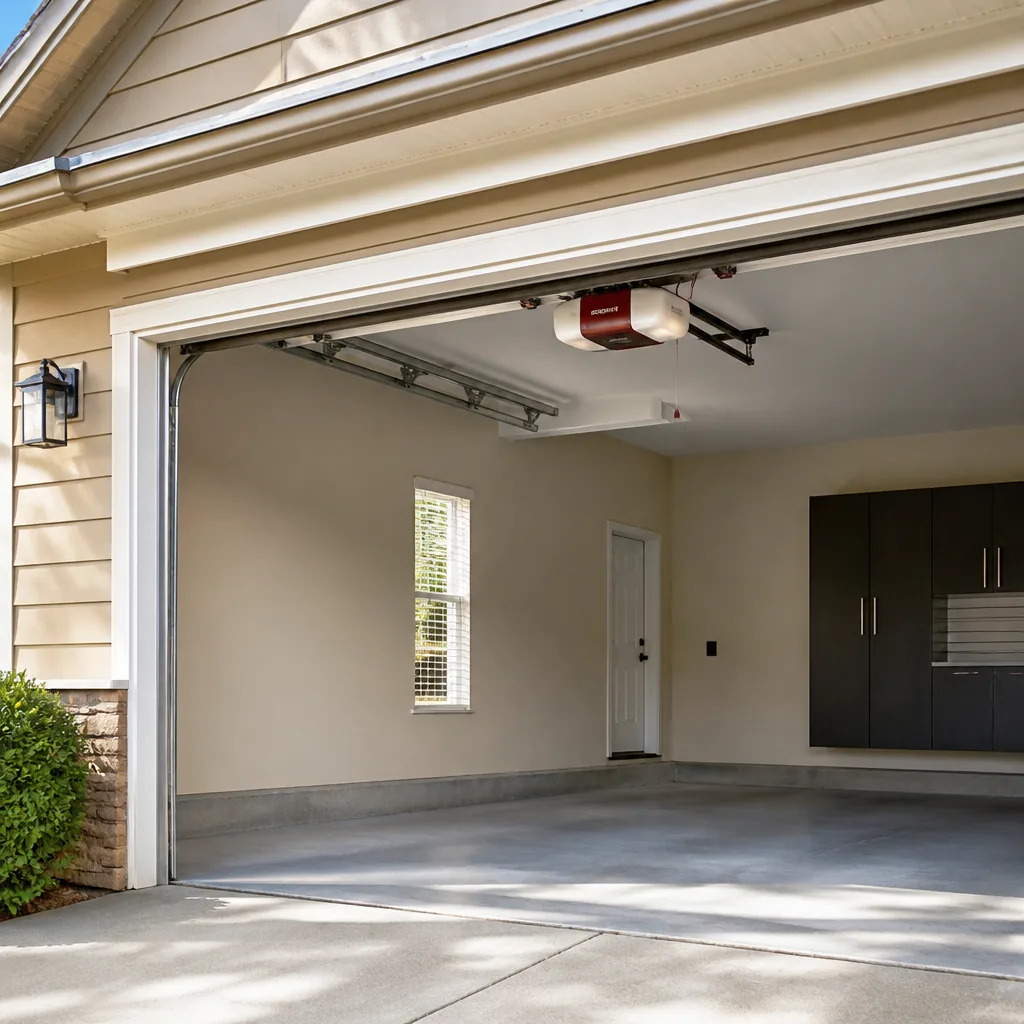 LiftMaster openers
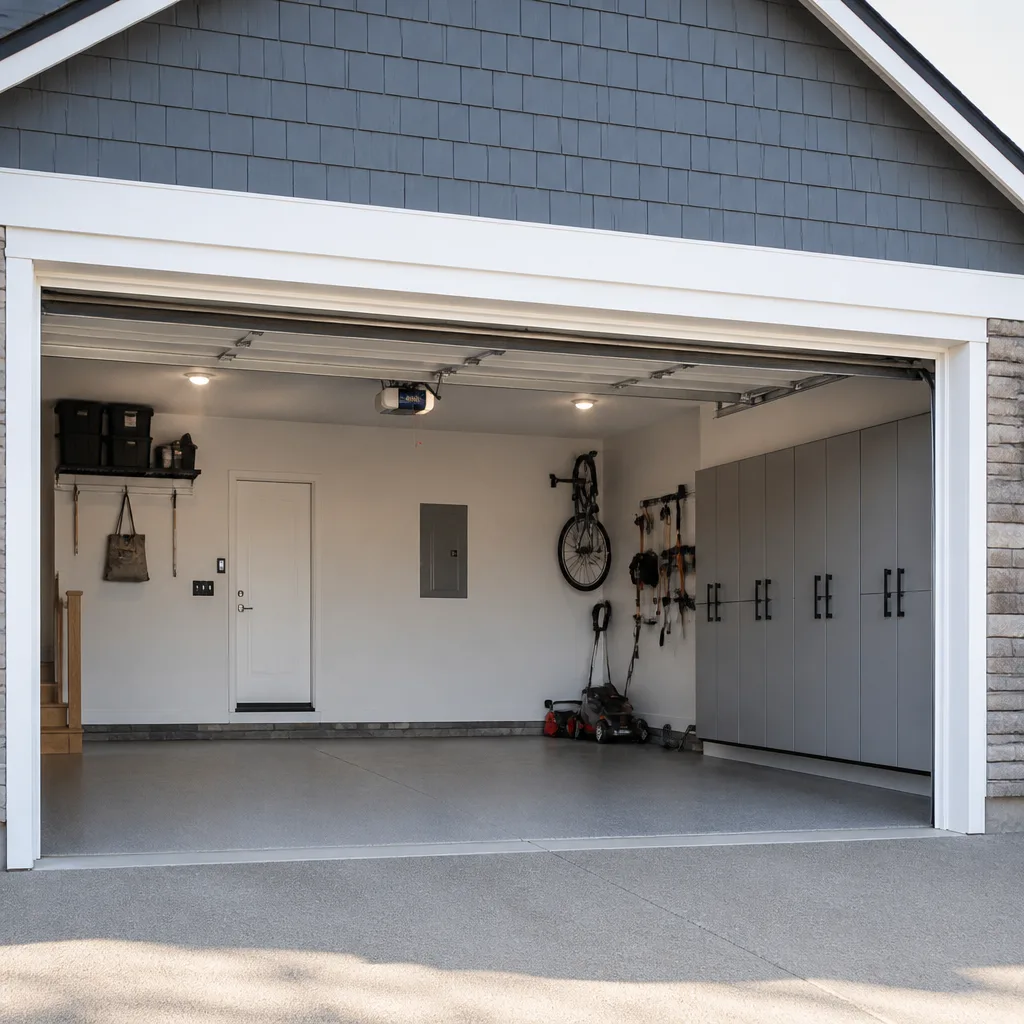 Chamberlain openers
Full 25-point door and opener safety check with every visit - springs, cables, rollers, tracks, and your LiftMaster or Chamberlain opener included
You get a price before we start. It does not change when the pro arrives.
Get your free estimateThe Complete Guide to Garage Doors in Long Branch
Most garage door guides are written for a suburb in Ohio. Long Branch is a half-mile from the Atlantic, and that changes nearly every material and hardware decision a homeowner can make. Salt air reaches inland further than most people realize, and it attacks the fasteners, hinges, rollers and bottom brackets of a standard steel door long before the panels themselves show wear. Add freeze-thaw cycles that work on concrete aprons and thresholds all winter, plus a housing stock that runs from early-1900s homes near the beachfront to newer construction toward the west side, and you get a set of conditions that generic advice completely ignores. This guide treats those conditions as the starting point. You’ll learn which materials hold up here, how insulation needs shift with the ocean nearby, and how to make a decision at each step that you won’t regret in three winters.
Quick Answer
The best garage door for a Long Branch home is usually a galvanized or heavy-gauge steel door with factory-applied finish and sealed or stainless hardware, paired with a modern opener and correctly matched springs. Coastal salt air and winter freeze-thaw are the two forces that shorten equipment life here, so material choice and hardware protection matter more than color or panel style. If your current door is failing at the hinges, rollers or bottom brackets while the panels still look fine, hardware replacement often makes more sense than a full new door.
Styles & brands we work with
- Raised-panel steel
- Carriage house
- Modern flush
- Full-view glass
- LiftMaster openers
- Chamberlain openers
Table of Contents
- Why Long Branch Conditions Change the Garage Door Conversation
- Which Garage Door Materials Hold Up in Long Branch
- Long Branch Housing Stock and Installation Realities
- How Ocean Proximity Affects Insulation and R-Value
- Hardware, Springs and What Fails First
- Choosing an Opener for This Climate
- A Long Branch Decision Framework
- Seasonal Maintenance That Actually Matters Here
Why Long Branch Conditions Change the Garage Door Conversation
A garage door is a mechanical system made mostly of steel, and steel responds to two things above all: moisture and temperature swing. In Long Branch, both arrive in abundance. Salt air carries chloride particles that settle on exposed metal, and once those particles combine with condensation, the corrosion process speeds up. That’s why a door that would last fifteen years inland can show fastener rust and hinge stiffness much earlier on a property near the beachfront blocks. The panels often look fine while the small components underneath are already weakening.
Then there’s the freeze-thaw cycle. Water collects in the joint between the door and the apron, or in the tracks after a storm, and freezes overnight. When it thaws and refreezes, it slowly shifts concrete, loosens anchors and works at the base of the tracks. Homeowners near the ocean sometimes mistake the resulting misalignment for a failing opener. In our experience, the opener is often fine and the real problem is a track that has been nudged out of plumb by a winter of expanding ice.
Long Branch is split between neighborhoods that face different versions of these conditions. Properties near the beachfront and along the promenade get the most salt exposure, while homes toward the West End and up the Broadway corridor see slightly less airborne salt but more road splash from plowed streets. Both matter, and both argue for the same approach: protect the metal, seal the finish, and inspect the hardware more often than a generic guide would suggest. When something does go wrong on a door that won’t move, Long Branch Garage Door Repair Pros handles the diagnosis, repair and installation side so you aren’t guessing at the cause.
Which Garage Door Materials Hold Up in Long Branch
Material choice is the single biggest decision a Long Branch homeowner makes, and it’s where generic advice fails hardest. Standard painted steel is the most common door in town, and it’s fine for inland climates. Here, the paint layer is doing more work than most people realize, because once it chips or scratches, salt air finds bare metal and corrosion begins at that spot. The question isn’t whether to avoid steel; it’s which steel and how well it’s protected.
- Galvanized steel: The zinc coating gives sacrificial protection, meaning the coating corrodes before the steel underneath does. This is the most practical upgrade for coastal exposure and the one we’d point most Long Branch homeowners toward when replacing a standard steel door.
- Heavy-gauge steel with a factory finish: Thicker panels resist denting from windblown debris and hold a baked-on finish better than thin-gauge doors. The finish quality matters as much as the gauge.
- Aluminum: Naturally corrosion-resistant because it doesn’t contain iron, but it dents more easily. Good for salt exposure, less good for a household with kids and bicycles.
- Wood and wood-composite: Beautiful on older Long Branch homes, but wood needs regular sealing and repainting in this climate. Without it, moisture gets in and the door moves, warps and sticks.
- Fiberglass and vinyl: Won’t corrode, and fiberglass handles moisture well. Both have limits on insulation and structural rigidity for larger door sizes.
The finish is the second half of the equation. Factory-applied powder coats and baked-on enamel outperform field-painted steel because they bond more tightly and cover edges and seams more completely. If you’re keeping an existing door, a fresh coat of exterior-grade paint on any chipped spots is one of the cheapest protective steps available. We work with doors from Clopay, Amarr, Wayne Dalton and Raynor because those are the brands Long Branch homeowners actually own, and each has coastal-appropriate product lines worth comparing rather than a single right answer.
Long Branch Housing Stock and Installation Realities
Long Branch has a wide spread of housing types, and garage configurations vary more than a newer suburb would suggest. Older homes near the beachfront often have detached or attached single-car garages with low headroom, narrow openings and door sizes that don’t match current standard dimensions. Mid-century homes toward the West End frequently have two-car garages that were added onto or converted, sometimes with framing that wasn’t built for the weight of a modern insulated door. Newer construction tends to have standard eight-foot or nine-foot openings with modern tracks, but even those need a real measurement before ordering.
- Measure the opening, not the old door. Many older Long Branch garages are out of square, so the opening width and height can differ from one side to the other. A replacement door must be ordered to the actual opening.
- Check headroom and backroom. Low-headroom garages need low-headroom track and hardware, or a torsion spring setup instead of extension springs. This is a common surprise in older homes.
- Inspect the framing and anchors. Decades of moisture and freeze-thaw can weaken the wood the tracks and spring system bolt into. New hardware on failing framing will not stay aligned.
- Confirm the apron and threshold. A cracked or heaved concrete apron will pull at the bottom seal and cause the door to bind. It’s worth checking before a new door goes in.
These are the kinds of details a measuring visit catches and an online order doesn’t. If your garage is old, oddly sized or was modified at some point, the installation side deserves the same attention as the repair side. That’s one reason we treat installation and garage door repair as the same relationship rather than two businesses: the same physical realities drive both.
How Ocean Proximity Affects Insulation and R-Value
Insulation in a garage door does two jobs: it slows heat transfer between the garage and the house, and it stiffens the door itself. In Long Branch, the ocean moderates temperature somewhat, but it also brings humidity, and humidity plus a cold surface creates condensation. That condensation is exactly what accelerates corrosion on an uninsulated steel door, because the interior face stays cold in winter and gathers moisture.
R-value is the measure of how well a door resists heat flow. Higher isn’t automatically better for every Long Branch home, because the right number depends on what’s above and around the garage. If you have living space above the garage, or the garage shares a wall with a heated room, insulation pays for itself in comfort and in protecting that shared surface. If your garage is detached and unheated, with no living space attached, a modest insulated door is usually enough, and the extra money buys more in corrosion protection than in R-value.
- Attached garage with rooms above: Prioritize insulation. A well-insulated door reduces the temperature swing the floor above experiences all winter.
- Attached garage with no rooms above: Moderate insulation is useful, mostly for humidity control and door stiffness.
- Detached garage: Insulation helps the door hold its shape and resist condensation, but the thermal benefit is smaller. Spend the difference on corrosion-resistant hardware instead.
Whatever the R-value, the more important question in this climate is whether the door has a full perimeter seal, a bottom weather seal that stays flexible in cold and humidity, and a finish that keeps moisture off the steel. A high R-value door with a poor seal will still corrode. We usually recommend starting with the seal and the finish, then choosing insulation to match the house.
Hardware, Springs and What Fails First
On a Long Branch door, the panels are rarely the first thing to fail. The small parts do. Hinges stiffen and rust. Rollers flat-spot and drag. Bottom brackets and fasteners corrode first because they sit lowest, closest to the ground moisture and the splash zone. When a door starts to feel heavy, noisy or jerky, the cause is usually in this hardware rather than the opener.
Springs sit at the top of that list for a different reason: they carry the entire weight of the door. A torsion spring holds hundreds of pounds of tension, and it fails without warning. This is a safety-critical component, not a weekend project. A spring under tension can release with enough force to cause serious injury, and the tools and technique required are not something to learn on a ladder in your own garage. The right move when a spring goes is to keep the door closed if you can and call a trained technician.
Our technicians have up to 13 years of experience with spring systems, and we offer dedicated garage door spring repair as a named service because so many homeowners in coastal towns are understandably hesitant about it. Repair is often all that’s needed. If your cables, drums and springs are in good condition and the door itself is sound, a repair keeps a working door working. If the panels are corroded through or the structure is compromised, replacement becomes the honest recommendation. Our job is to tell you which it is, not to steer you toward the bigger bill.
For smaller hardware, the fix is usually straightforward: new hinges, rollers and bottom brackets in corrosion-resistant or stainless versions will outlast the originals in this climate. It’s a modest job that can add years to a door that’s otherwise fine.
Choosing an Opener for This Climate
An opener is electronics in a room that gets humid, cold and exposed to salt air. That environment is harder on openers than the manufacturer’s test lab, and it’s why Long Branch homeowners sometimes replace an opener that would have worked fine inland. The good news is that modern openers from LiftMaster, Chamberlain and Craftsman have improved in both moisture resistance and safety features, especially the safety reversing sensors required for any door today.
What to match to your actual door:
- Door weight and size: A heavier insulated double door needs a higher-lift opener than a light single door. Undersizing an opener shortens its life.
- Belt versus chain drive: Belt drive runs quieter, which matters if a bedroom sits above or beside the garage. Chain drive is simpler and reliable but louder.
- Smart features: App control and remote monitoring are genuinely useful for a property you rent out or leave for stretches. A remote check that the door is closed is worth having.
- Safety sensors and auto-reverse: Non-negotiable. Any opener we work on has to have functioning safety reversing, and if it doesn’t, correcting that is part of the job.
If your door runs roughly and the opener strains, the opener may be a symptom rather than the cause. A door that’s out of balance makes any opener work too hard. That’s why a proper diagnosis comes before replacing electronics. Our garage door opener repair service starts with checking balance, alignment and the door’s mechanical condition before we look at the motor.
A Long Branch Decision Framework
When it’s time to decide between repair, partial replacement and a new door, the coastal conditions give you a clear way to think it through. Work through these questions in order, and the answer usually becomes obvious.
- Is the structure sound? Check the panels for rust-through, the framing for rot, and the tracks for alignment. If the structure is compromised, a new door is the realistic path.
- Is it a hardware problem or a door problem? If the panels are solid and the failure is in hinges, rollers, brackets or springs, repair the hardware. This is the most common situation.
- How much salt exposure does your property get? A door near the beachfront needs galvanized or protected steel and corrosion-resistant hardware. If you’re replacing anyway, upgrade at the start rather than paying twice.
- Does the door need to insulate? Only if it shares a wall or ceiling with heated living space, or condensation has been a visible problem. Match insulation to the house, not to a spec sheet.
- Is the opener matched to the door? If you’re replacing the door, check whether the existing opener can carry the new weight. Often it can, sometimes it can’t.
- What’s the finish? Factory finish with a proper perimeter and bottom seal, and keep it touched up. In this climate, the finish is the first line of defense.
The point of the framework is to avoid the two common mistakes: replacing a whole door when the hardware was the issue, and patching hardware onto a door that’s already structurally failing. Neither serves you. A single honest look at the door, tracks, springs and opener, taken together, tells you which situation you’re in.
Seasonal Maintenance That Actually Matters Here
A little attention twice a year makes a real difference on a coastal property. The key is to focus on the metal and the seals, because those are what this climate attacks.
- Touch up paint and finish. Any chip or scratch on steel is a doorway for salt and moisture. A small bottle of matching exterior paint and ten minutes a season keeps corrosion from starting.
- Lubricate moving parts. Hinges, rollers, and the tracks themselves benefit from a proper garage door lubricant, not grease that collects grit. Do the rollers and hinges, not the springs.
- Check the bottom seal. A cracked or stiff seal lets water and cold air in and lets salt-laden moisture sit against the door’s bottom edge. Replace it when it stops flexing.
- Look at the hardware for rust. If the hinges and bottom brackets are corroding, swap them for corrosion-resistant versions before they seize.
- Test the safety reverse. Place a small object in the door’s path and confirm it reverses. This should be part of every seasonal check.
- Listen to the door. New noise, a jerky movement or a door that slows near the top is a signal. Catch it early and it’s a small repair; ignore it and it becomes a spring or opener replacement.
Leave the spring system and cables to a technician. Everything above the door’s midline under tension is the part a homeowner should watch, not handle.
Common Mistakes to Avoid
- Buying standard painted steel without thinking about salt. It’s the most common door sold in town, and it’s also the one that corrodes fastest near the beachfront. If you must replace, ask about galvanized or a heavier finish.
- Replacing the opener when the door is the problem. A heavy, out-of-balance door strains any opener. Diagnose the door first, or you’ll buy a new motor for a door that still won’t run right.
- Ordering a door by standard dimensions. Older Long Branch garages are often out of square, and a door built to a catalog size won’t seal or track properly. Measure the actual opening.
- Skipping the perimeter and bottom seal. A high-R-value door with a poor seal still corrodes and still lets in moisture. Seal first, insulate second.
- Ignoring small hardware rust. Corroded hinges and brackets cost little to replace but a lot to ignore. They seize, load the door unevenly, and take the springs with them.
- Attempting spring work yourself. This is the one part of a garage door system where the danger is real. A torsion spring under tension can cause serious injury; call a trained technician.
- Assuming the crack in the apron is cosmetic. A heaved or broken concrete apron pulls at the bottom seal and binds the door, and it’s usually a sign of freeze-thaw movement worth checking.
See the difference
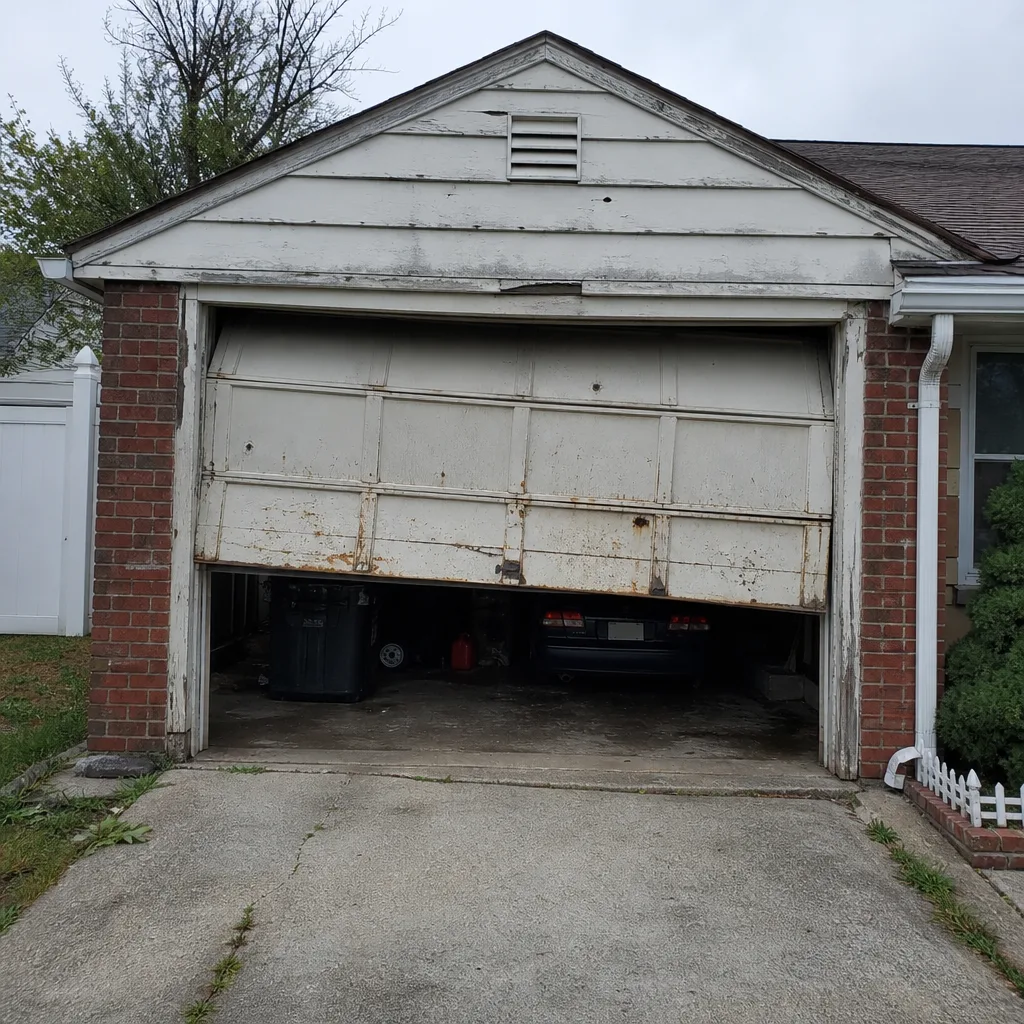 Before
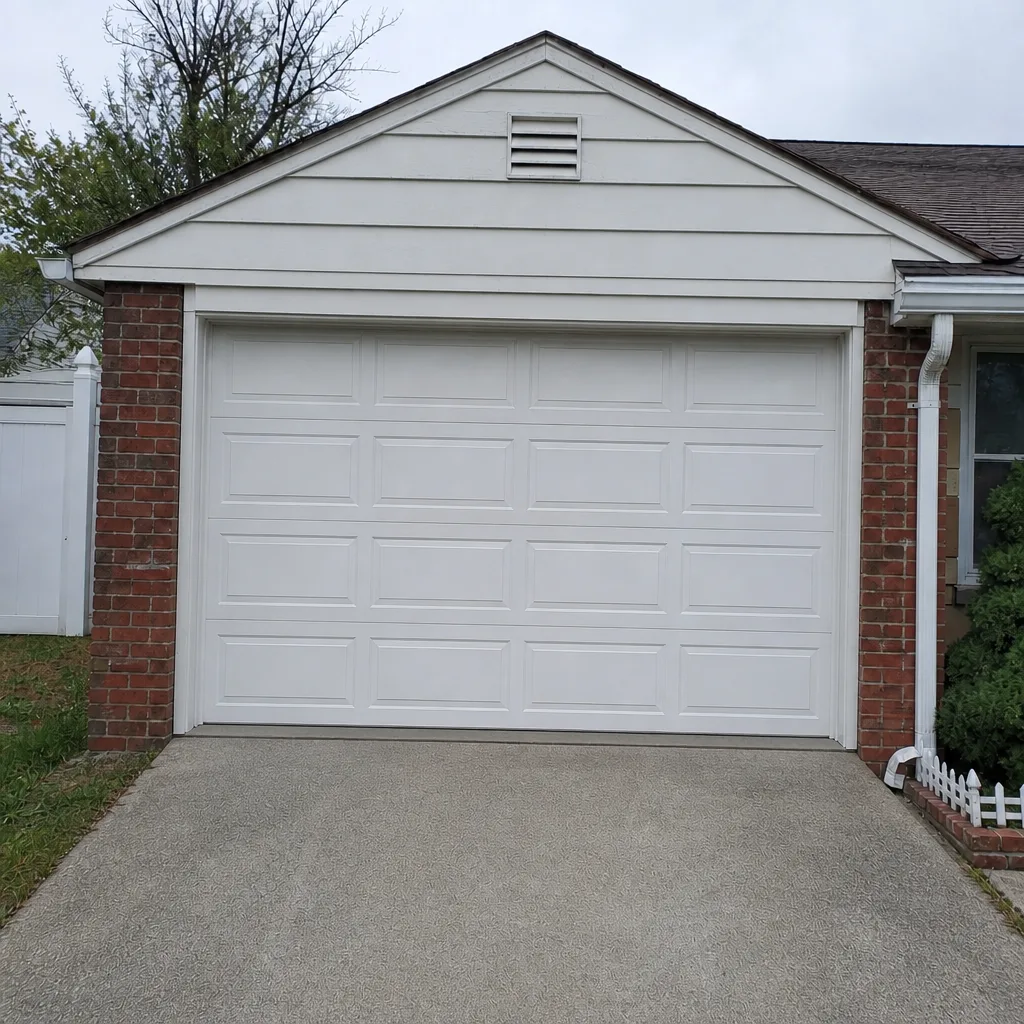 After
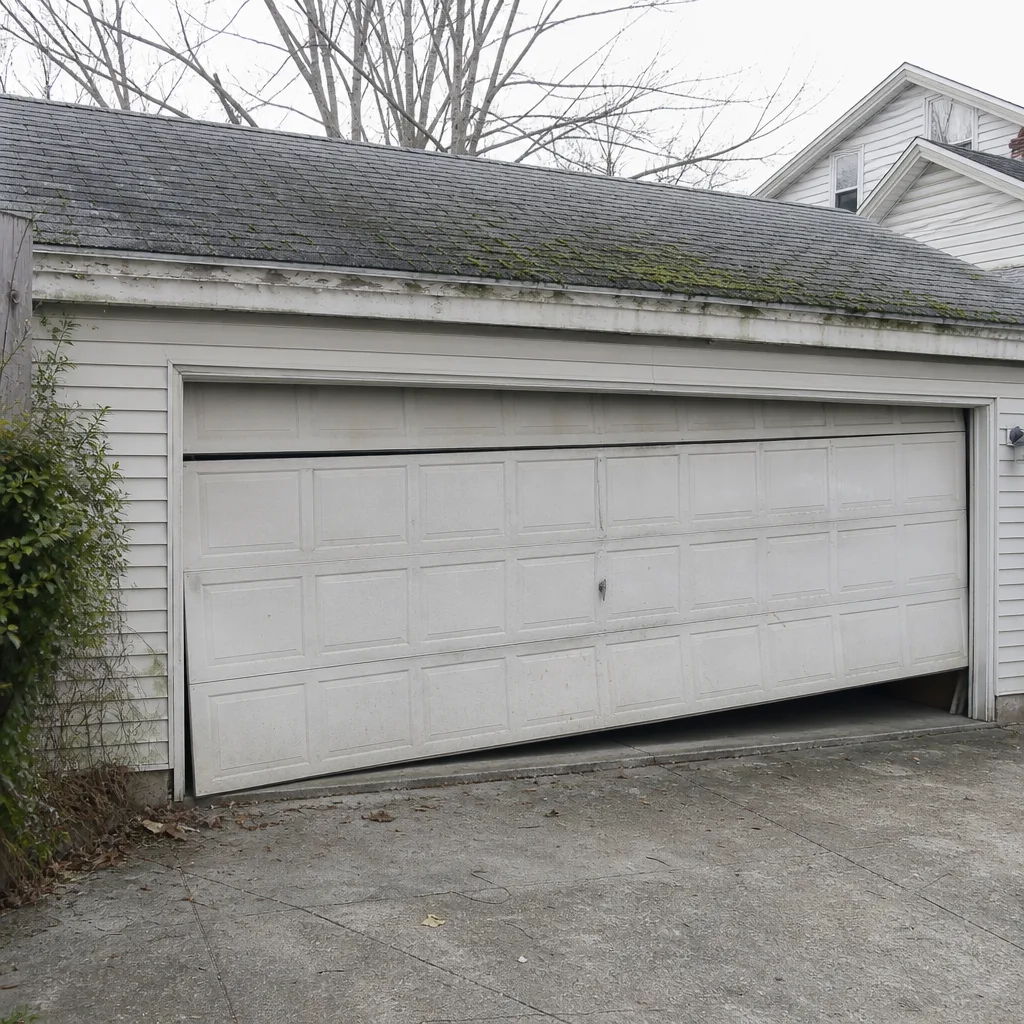 Before
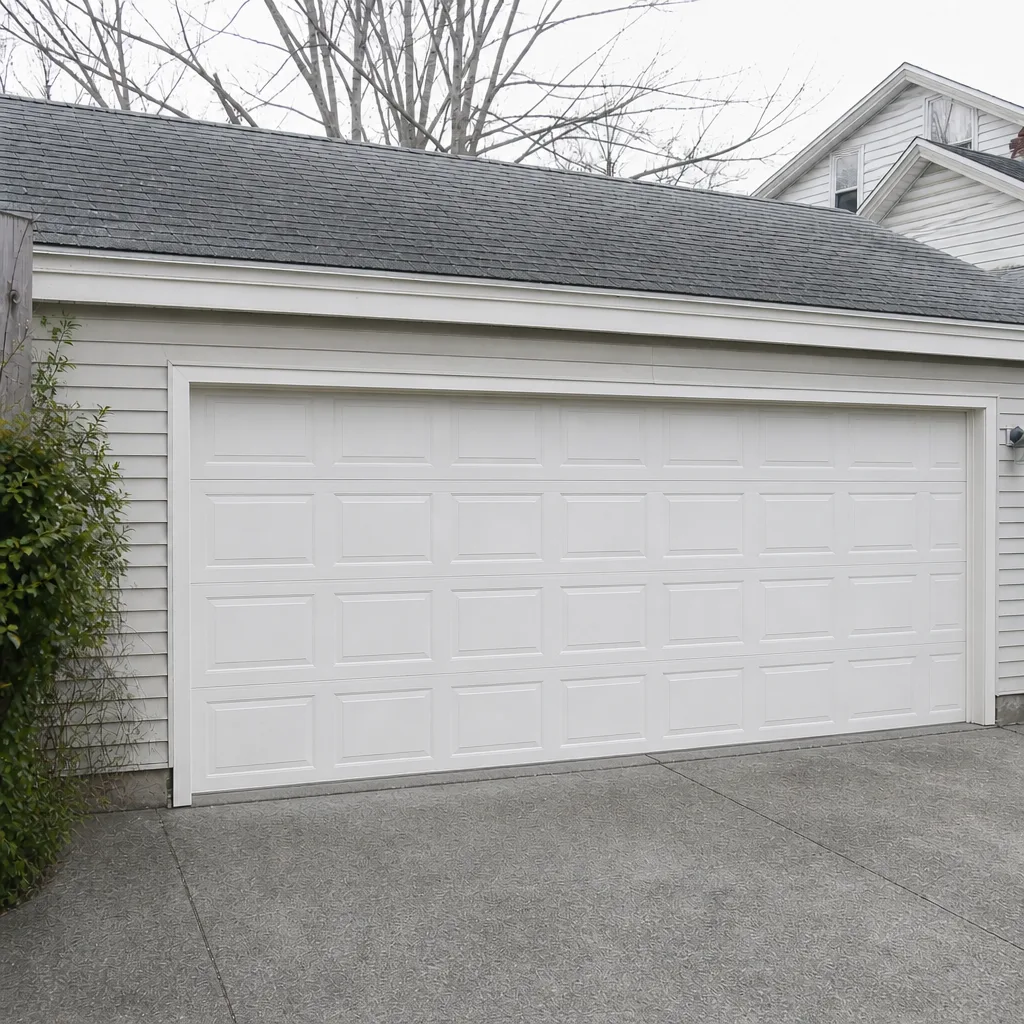 After
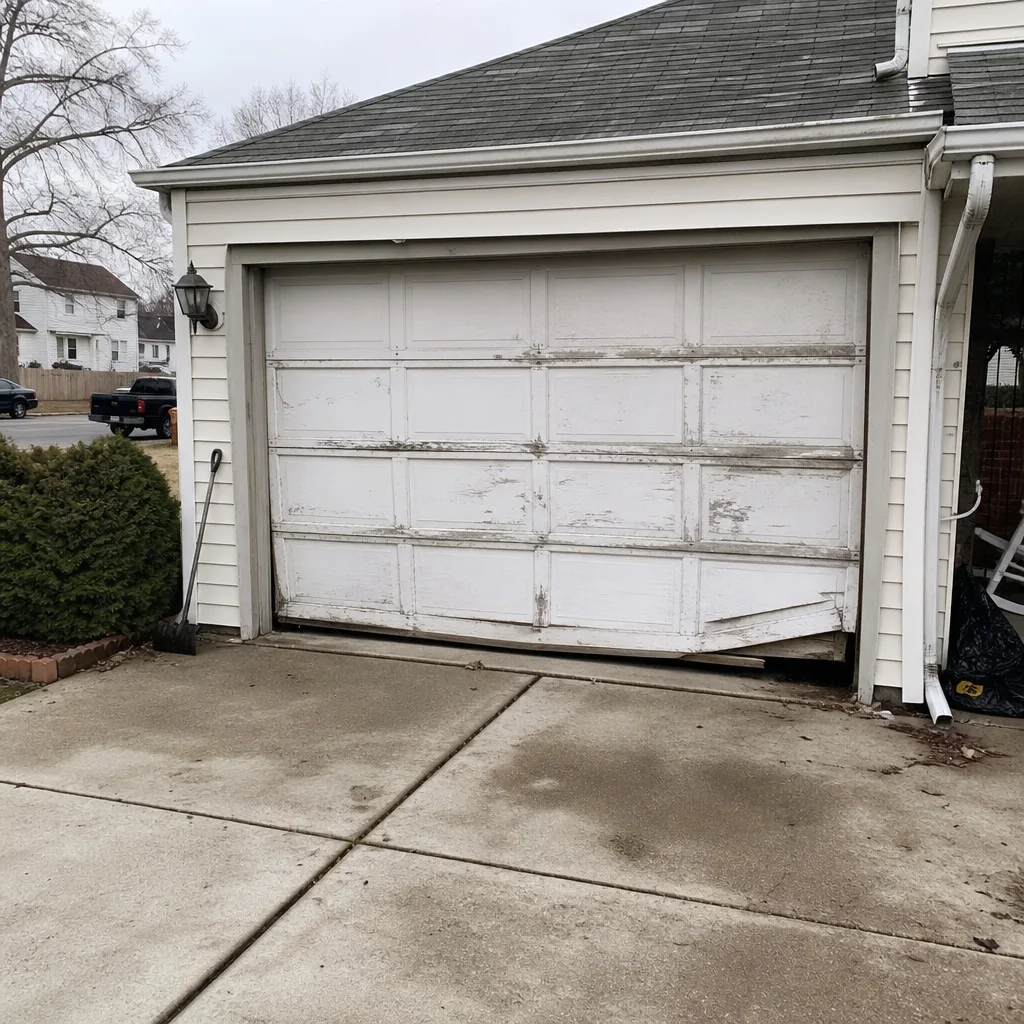 Before
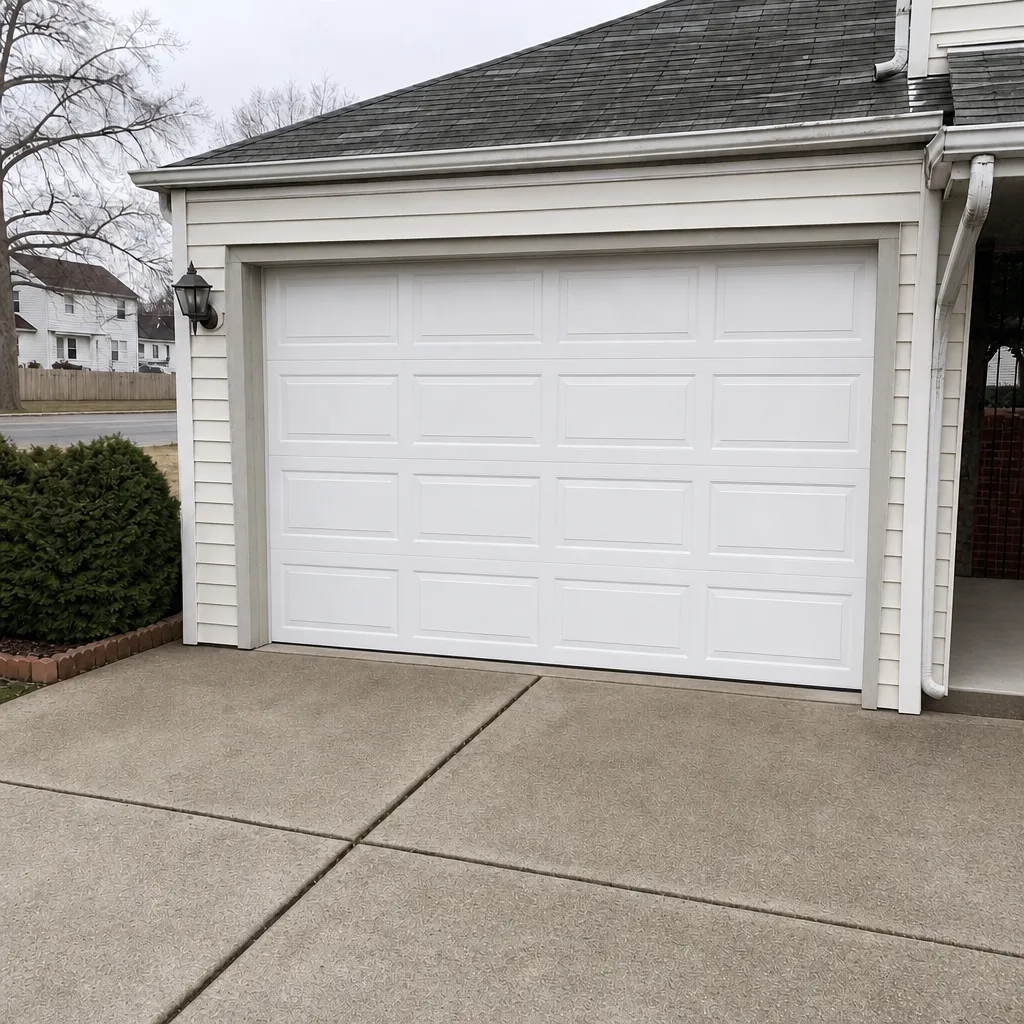 After
When to Call a Professional
Some garage door problems are safe to handle at home: a sticky roller, a chipped paint spot, a worn bottom seal. Others aren’t. Call a professional when a spring breaks or looks stretched, when the cables are frayed, when a door is off track or hanging unevenly, when the opener reverses unexpectedly or won’t respond, or when the door is stuck open and leaving your home exposed. Any issue involving high-tension components, electrical connections or a door that won’t move is a trained-technician job, not a ladder job. Long Branch Garage Door Repair Pros offers free estimates in Long Branch, handles emergency calls when a door poses a security risk, and quotes the price before any work starts. Call (855) 658-3081.
Frequently Asked Questions
Most common repairs in Long Branch run from a modest hardware fix up to the cost of a spring or opener replacement, and the written estimate sets the final price before work begins. Springs are usually replaced as a matched pair because they’re installed together, so a pair costs about twice a single spring. Call (855) 658-3081 for an exact quote, and estimates are free.
Not a special door, but the right material and finish. Galvanized or heavy-gauge steel with a factory finish and corrosion-resistant hinges, rollers and brackets holds up far better than a standard painted steel door near the beachfront. The finish and hardware matter as much as the panel material.
Yes. A door stuck open leaves your property exposed, and that’s exactly what our emergency garage door service is set up for. When your door won’t move, we will. Call and we’ll get a technician on it, and you’ll get a price agreed before work starts.
No. We quote after looking at the door and its hardware, and the price is agreed before any work begins. If the job turns out to involve more than the original diagnosis, we’ll tell you and get your approval before doing anything further, so there are no surprise invoices.
The local professionals we connect you with are state-licensed and insured as their state requires, and our technicians have up to 13 years of experience. We handle garage doors only, so every call builds on trade-specific work rather than a general handyman’s range. Call (855) 658-3081 to discuss your door.
Repair if the panels are solid and the problem is hardware, springs or the opener; replace if the panels are rusted through or the framing is compromised. Coastal exposure means the finish and structural condition decide it, not age alone. We’ll give you an honest read either way rather than steer you toward the more expensive option.
The Bottom Line
Garage doors in Long Branch live in a harder environment than most guides acknowledge. Salt air corrodes the small hardware first, freeze-thaw works at the tracks and apron, and the town’s older, varied housing means the door that fits your neighbor’s garage may not fit yours. Choose galvanized or well-finished steel, prioritize corrosion-resistant hardware and a proper seal, and match insulation to your home rather than a spec sheet. Repair what’s sound, replace what’s failing, and keep the springs to a trained technician. Long Branch Garage Door Repair Pros handles everything from a broken spring to a full new installation, treating your door as the single job it deserves. Call (855) 658-3081 for a free estimate.
Written by the team at Long Branch Garage Door Repair Pros.